

Reviewed by Dallas Stewart, President & Owner, CMIT Solutions of Bellevue. Last updated: October 2026.
An IT risk assessment is a structured review of your technology. It finds weak spots before attackers or outages do. It looks at your devices, network, accounts, data and processes. Then it ranks the risks by how likely and how harmful they are. The result is a clear, prioritized list of fixes.
Many small businesses only find their IT problems after something breaks. A cybersecurity risk assessment turns guesswork into a plan. This guide explains what an assessment covers, how it works and how businesses on Seattle’s Eastside and beyond can use it. Instead of reacting to each problem, you can plan and budget for the most important fixes. It also gives leaders a shared view of where the business stands today.
Why does a small business need an IT risk assessment?
Small businesses face the same threats as large companies, such as ransomware, phishing and data theft. Most have limited time and budget, so they need to know which problems matter most. An assessment shows where to spend first. It also supports compliance with rules such as HIPAA and the FTC Safeguards Rule. And it helps answer cyber insurance and customer security questionnaires. Many attacks are automated, so even very small companies get targeted.
What does an IT risk assessment cover?
- Devices. Computers, servers, phones and network equipment, including age and update status.
- Accounts and access. Who has access to what, shared logins and MFA coverage.
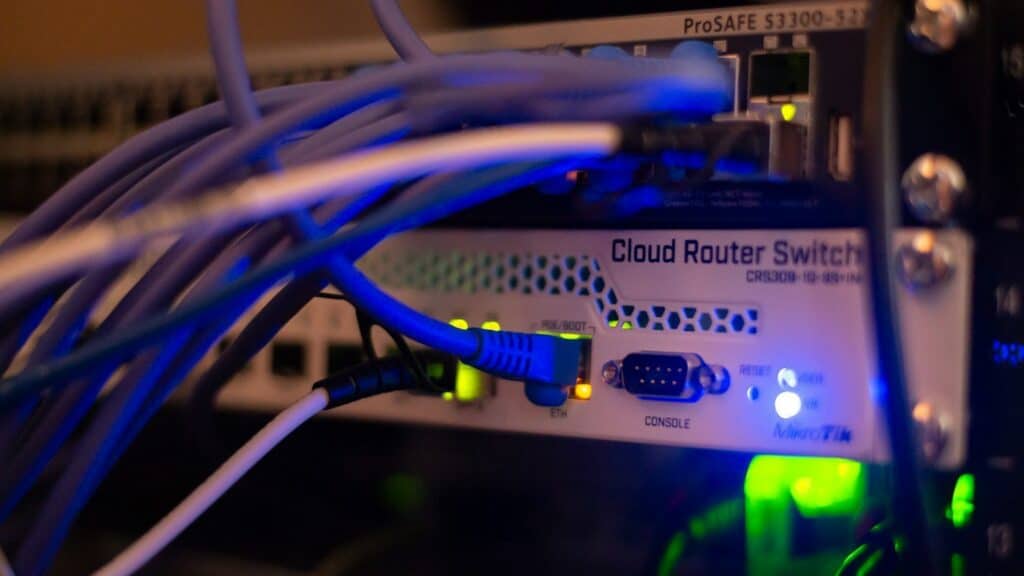
- Network security. Firewalls, Wi-Fi, remote access and segmentation.
- Email security. Filtering, spoofing protection and phishing risk.
- Data and backups. Where sensitive data lives and whether backups are protected and tested.
- Policies and people. Security policies, training and incident response plans.
- Vendors. Third parties that can access your systems or data.
How does an IT risk assessment work?
- Gather information. Interview key staff and collect an inventory of systems and data.
- Scan and review. Check devices, networks and settings for known weaknesses.
- Identify risks. List threats and the gaps that could let them succeed.
- Rate each risk. Score how likely it is and how much harm it could cause.
- Recommend fixes. Create a prioritized plan with quick wins and longer-term projects.
- Review and repeat. Track progress and repeat the assessment at least once a year.
What are common findings in small business assessments?
- MFA not turned on for email or remote access
- Computers or servers that no longer receive security updates
- Backups that have never been tested
- Former employees who still have active accounts
- No written incident response plan or list of who to call
- Printers, cameras and other devices still using default passwords
- Shared passwords and admin rights given too widely
- Guest Wi-Fi connected to the business network
What is a network security assessment?
A network security assessment is one part of a full IT risk assessment. It focuses on how your network is built and protected. It checks firewalls, Wi-Fi, remote access, open ports and how devices are separated. It also looks for devices that are missing updates or using default passwords. The goal is to find the openings an attacker could use to get in or move around. Fixing these gaps often costs little but blocks common attacks.
How are risks rated and prioritized?
Each risk gets two scores: how likely it is to happen and how much harm it would cause. A risk that is both likely and harmful, such as email without MFA, goes to the top of the list. A risk that is unlikely and low impact can wait. This simple method helps leaders spend time and money where it makes the biggest difference. Leaders also get a simple way to explain priorities to staff and partners.

What should a business prepare before an assessment?
- A list of key systems and software, such as email, accounting and line-of-business apps
- Contact details for vendors that support your technology
- Any existing security policies or past assessment reports
- Admin access or a contact who can provide it
- Questions or concerns from leadership and staff
How often should a business do a risk assessment?
Most businesses should complete an assessment at least once a year. Repeat it after major changes, such as a new office, a new system, a merger or a security incident. Some industries, such as healthcare and finance, may need more frequent reviews to meet their rules. Put the next review date on the calendar as soon as the current one ends.
What happens after the assessment?
You receive a report with the risks found and a prioritized action plan. Quick wins, such as turning on MFA or removing old accounts, can be done in days. Larger projects, such as replacing old servers, can be planned into your budget. A managed IT provider can carry out the fixes and track progress. Many businesses review progress every quarter so fixes do not stall.
What else do businesses ask about a cybersecurity risk assessment?
Is a risk assessment the same as a penetration test?
No. A risk assessment reviews your whole environment and processes. A penetration test simulates a real attack on specific systems. Many businesses start with a risk assessment. A penetration test is often the next step once the basics are in place. Your IT provider can help decide when that makes sense.
How long does an assessment take?
For most small businesses, the review and report take a few days to a few weeks, depending on size and complexity. Larger or more complex environments may take longer. A clear scope agreed at the start keeps the timeline predictable.
Will an assessment disrupt our work?
Very little. Most of the work happens in the background or through short interviews with staff. Scans can be scheduled after hours if needed.
How can CMIT Solutions of Bellevue help with an IT risk assessment?
CMIT Solutions of Bellevue helps businesses on Seattle’s Eastside understand and reduce their IT risk. We review devices, networks, accounts, backups and policies. Then we deliver a clear, prioritized plan and help put it in place. We also help track progress so the plan turns into real improvements.
Call (425) 495-2214 to talk with our local team about an IT risk assessment for your business.