In today’s fast-paced digital world, data has become the lifeblood of businesses, particularly for small and medium-sized businesses (SMBs) operating in highly competitive environments. Data loss is no longer just an inconvenience—it can result in lost revenue, legal penalties, and irreparable damage to a company’s reputation. While traditional backup solutions provide a safety net, the rise of real-time data recovery solutions is transforming the way businesses protect their critical information. This blog explores the concept, benefits, and necessity of real-time data recovery, with practical insights for SMBs seeking robust IT strategies.
What Is Real-Time Data Recovery?
Real-time data recovery (RTDR) refers to the process of continuously backing up data and enabling instant restoration whenever needed. Unlike traditional backup systems, which often involve scheduled snapshots that can leave gaps of hours or even days, RTDR ensures that the most recent data is always recoverable. This capability is particularly important for businesses that rely on continuous operations, such as finance, healthcare, or e-commerce.
Modern real-time recovery solutions leverage cloud storage, virtualization, and advanced replication technologies to create a near-zero downtime environment. This means that in the event of system failures, ransomware attacks, or accidental deletions, businesses can recover almost immediately without suffering significant operational disruptions.
How Real-Time Data Recovery Works
The technology behind RTDR typically involves three core components:
- Continuous Data Replication: Every change made to a system is mirrored in real-time to a backup server or cloud environment.
- Instantaneous Recovery Mechanisms: The system can switch operations to the backup environment without manual intervention.
- Monitoring and Alerts: Advanced analytics track data integrity and trigger alerts in case of potential failures.
By combining these elements, businesses achieve both resilience and agility. Edge computing explained is also playing a significant role in enabling RTDR by processing data closer to where it is generated, reducing latency and recovery times.

The Business Case: Why SMBs Need Real-Time Data Recovery
SMBs face unique challenges in maintaining data integrity. Unlike large enterprises, many SMBs operate with limited IT staff and resources, making them particularly vulnerable to data loss. Here’s why real-time data recovery is essential for SMBs:
- Minimizes Downtime: Every minute of downtime can translate into lost revenue. Real-time recovery ensures business continuity even during unexpected incidents.
- Protects Against Ransomware: Cyberattacks are increasingly sophisticated. The rise of XDR solutions and RTDR together can mitigate damage from ransomware and other malicious attacks.
- Regulatory Compliance: Many industries require strict data retention and protection policies. RTDR solutions support compliance by providing verifiable recovery points.
- Scalability: As SMBs grow, their data volume increases. Real-time recovery solutions scale seamlessly with business needs, eliminating the risk of outdated backup practices.
Learn how smart IT spending in Chicago West can further enhance your data resilience strategy.
Common Use Cases for Real-Time Data Recovery
Businesses across industries are finding new applications for RTDR:
- Financial Services: Protecting transactional data to prevent losses during system failures.
- Healthcare: Ensuring HIPAA-compliant storage and instant recovery of patient records. Securing sensitive data in healthcare is critical for both compliance and patient trust.
- E-Commerce: Maintaining customer data and transaction history to avoid disruptions in sales.
- Remote Work Environments: Supporting distributed teams with continuous data protection, integrated with UCaaS security protocols.
Benefits Beyond Traditional Backups
While traditional backups are a necessary safety net, they have limitations:
- Delayed Recovery: Restoring from daily or weekly backups can take hours or even days.
- Data Gaps: Changes made between backups can be lost.
- Manual Intervention: Recovery processes often require IT expertise.
Real-time recovery addresses these issues, providing benefits such as:
- Near-Zero Downtime: Continuous availability of data ensures uninterrupted business operations.
- Automated Protection: Reduces dependency on IT staff for recovery processes.
- Enhanced Security: Modern RTDR solutions integrate with cybersecurity frameworks to prevent data tampering.
- Competitive Advantage: Businesses that can recover instantly are more resilient, boosting customer trust and confidence.
Explore how boosting productivity with AI complements real-time data recovery for a smarter workplace.
Risks of Ignoring Real-Time Data Recovery
Ignoring the adoption of RTDR can have severe consequences:
- Revenue Loss: Extended downtime directly impacts income.
- Reputation Damage: Customers and partners may lose trust in businesses that cannot safeguard data.
- Regulatory Penalties: Non-compliance with data protection laws can result in fines.
- Operational Inefficiency: Without real-time recovery, IT teams are burdened with time-consuming restoration processes.
From IT chaos to strategy explains how SMBs can transform their IT infrastructure to avoid these pitfalls.
Choosing the Right Real-Time Data Recovery Solution
When evaluating RTDR solutions, consider the following factors:
- Recovery Point Objective (RPO) and Recovery Time Objective (RTO): Ensure the solution meets your business’s tolerance for data loss and downtime.
- Integration with Existing Infrastructure: The solution should work seamlessly with your current IT systems.
- Security Features: Look for encryption, access controls, and ransomware protection.
- Vendor Support and Reliability: Choose providers with a proven track record in managed IT services.
Understanding these factors is critical for why managed IT services are the backbone of modern business efficiency.
Real-Time Data Recovery and Cybersecurity
Data recovery and cybersecurity are intertwined. RTDR is not just about restoring lost data but also about protecting it from threats. Extended Detection and Response (XDR) platforms can be integrated with RTDR solutions to detect anomalies, prevent breaches, and ensure that recovered data is clean and uncompromised.
For SMBs, combining cyber resilience strategies with real-time recovery ensures a comprehensive approach to IT security.
Emerging Innovations Supporting Real-Time Data Recovery
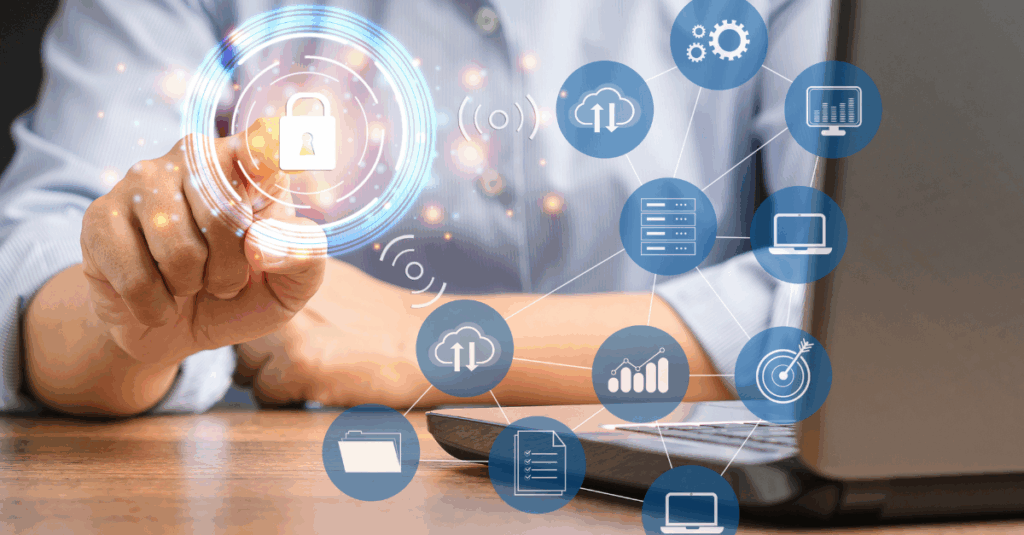
As technology evolves, new innovations are enhancing RTDR capabilities:
- Edge Computing: Processes data closer to its source, reducing latency for recovery.
- AI-Powered Predictive Analytics: Identifies potential failures before they occur.
- Quantum Computing: Promises enhanced encryption and faster processing for recovery tasks. Learn more about how quantum computing could transform data security.
- Cloud-Native Architectures: Offer flexibility, scalability, and reliability for continuous data protection. Compare cloud-native vs cloud-enabled infrastructures for your business needs.
Implementing Real-Time Data Recovery: Best Practices
- Assess Your Data Needs: Identify critical data, determine RPO/RTO, and prioritize.
- Choose a Reliable Provider: Work with an MSP experienced in RTDR solutions.
- Regular Testing: Conduct recovery drills to ensure the system performs under stress.
- Integrate Cybersecurity Measures: Combine RTDR with endpoint protection, XDR, and cloud security.
- Employee Training: Ensure staff understand protocols for data recovery.
These best practices are essential to beyond the cloud innovations that redefine IT infrastructure.
Conclusion: Future-Proofing Your SMB with Real-Time Data Recovery
Real-time data recovery is no longer a luxury; it is a necessity for SMBs that value continuity, security, and customer trust. By investing in RTDR, businesses can minimize downtime, protect against cyber threats, and maintain compliance with industry regulations. When paired with managed IT services, cloud solutions, and AI-driven tools, RTDR ensures that SMBs remain competitive, resilient, and ready for future technological disruptions.
For SMBs looking to strengthen their IT strategy, exploring why it’s time to rethink your IT strategy in 2025 and building smarter with technology can provide actionable insights into creating a robust, real-time data recovery framework.