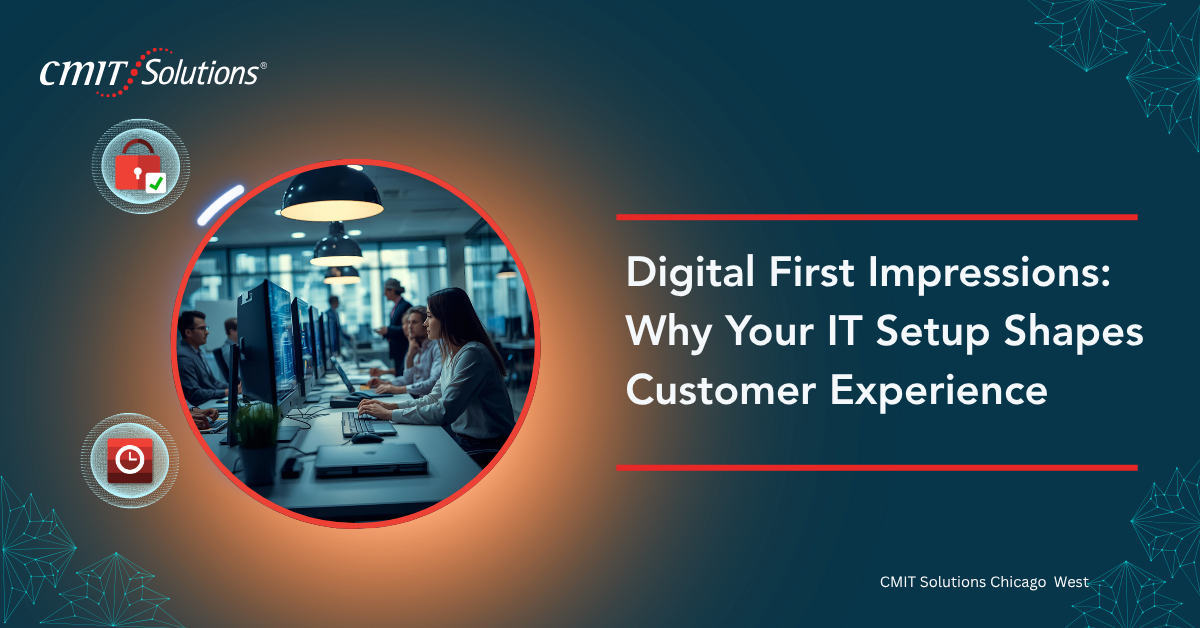
In today’s digital-driven world, customer experience is often shaped before a person even walks through your door—or opens your website. A slow website, delayed responses, or malfunctioning apps can leave potential customers frustrated, causing them to turn to competitors. For businesses, especially small and midsize enterprises (SMBs), a robust IT setup is no longer optional—it’s central to creating a positive first impression.
This guide explores how your IT infrastructure impacts customer experience and how managed IT services can ensure your digital operations run smoothly.
Why IT Infrastructure Matters for Customer Experience
Your IT setup forms the backbone of every digital interaction. Whether it’s your website, customer portal, point-of-sale system, or mobile app, the performance and reliability of these systems directly influence customer perception.
- Slow-loading websites or apps frustrate users
- Unresponsive customer service channels reduce satisfaction
- Security lapses can erode trust
By investing in managed IT services, businesses can proactively maintain the systems that customers interact with, ensuring reliability, speed, and security.
Ensuring Seamless Online Interactions
Most first impressions now occur online. A smooth, reliable digital experience keeps potential customers engaged.
Key factors include:
- Fast website and app performance
- Secure payment and data entry systems
- Efficient customer support channels
Leveraging cloud services allows businesses to scale resources dynamically, preventing slowdowns during peak traffic. Similarly, unified communications platforms ensure customer inquiries are handled promptly across calls, chats, and emails.

The Role of Cybersecurity in Customer Trust
Security is a fundamental part of the digital experience. Customers expect businesses to protect their personal and financial information.
Best practices include:
- End-to-end encryption for online transactions
- Multi-factor authentication for sensitive accounts
- Continuous monitoring for suspicious activity
Integrating cloud security essentials ensures that customer data is protected, enhancing trust and confidence in your business.
Proactive IT Monitoring for Reliability
Downtime and glitches can ruin first impressions. Managed IT providers use proactive monitoring to detect and fix issues before they affect customers.
- Network monitoring tracks system performance in real time
- Endpoint monitoring ensures devices and servers operate smoothly
- Application monitoring identifies and resolves software issues
This proactive approach minimizes disruptions, ensuring that digital interactions are seamless for customers.
Integrating Technology for a Consistent Experience
Customer experience isn’t just about one interaction—it’s about consistency across channels.
- Syncing customer data across apps, websites, and CRM platforms ensures personalized experiences
- Cloud-based solutions enable real-time updates and collaboration
- Automated workflows reduce errors and speed up response times
Businesses can benefit from IT consulting to design integrated systems that provide a seamless experience across all customer touchpoints.
Supporting Remote and Hybrid Customer Interactions
Remote work and hybrid customer interactions are now standard. Your IT setup must support virtual engagements without delays or technical issues.
- Video conferencing platforms must operate reliably
- Remote access to CRM and support tools must be secure
- Collaboration tools should ensure smooth communication among teams
By combining managed IT services with cloud-based solutions, businesses can maintain high-quality service regardless of location, creating consistent digital first impressions.

The Impact of IT on Brand Perception
Customers often judge a company by the smoothness of their digital interactions. A modern, efficient IT setup communicates:
- Professionalism and competence
- Attention to customer needs
- Commitment to security and privacy
Poor IT performance can convey the opposite, leading to lost trust and reduced customer loyalty. Businesses that invest in proactive IT maintenance and IT lifecycle management reinforce their brand through reliable digital experiences.
Conclusion: IT is Your First Impression
Your IT infrastructure is more than a support system it’s a reflection of your business. A well-managed, secure, and responsive IT environment shapes customer perception, builds trust, and enhances satisfaction.
By leveraging managed IT services, cloud services, and cloud security essentials, businesses ensure that their digital first impressions are always positive, professional, and reliable. Investing in IT infrastructure is ultimately an investment in your brand and your customer relationships.