When a major data breach hits the news, the headline number grabs attention while the most useful lessons get buried. The recent attack on Manchester Airports Group is a prime example, and the buried detail is one every hotel operator needs to pay attention to.
Here are the facts: Manchester Airports Group, owner of Manchester, London Stansted, and East Midlands airports, disclosed that attackers accessed data belonging to roughly 8.7 million people. The criminals demanded a ransom, which the group refused to pay. The company confirmed that no payment or banking details were taken and that aviation safety was never at risk. Still, on paper, it sounds like just another massive corporate breach with little relevance to an independent hotel or resort.
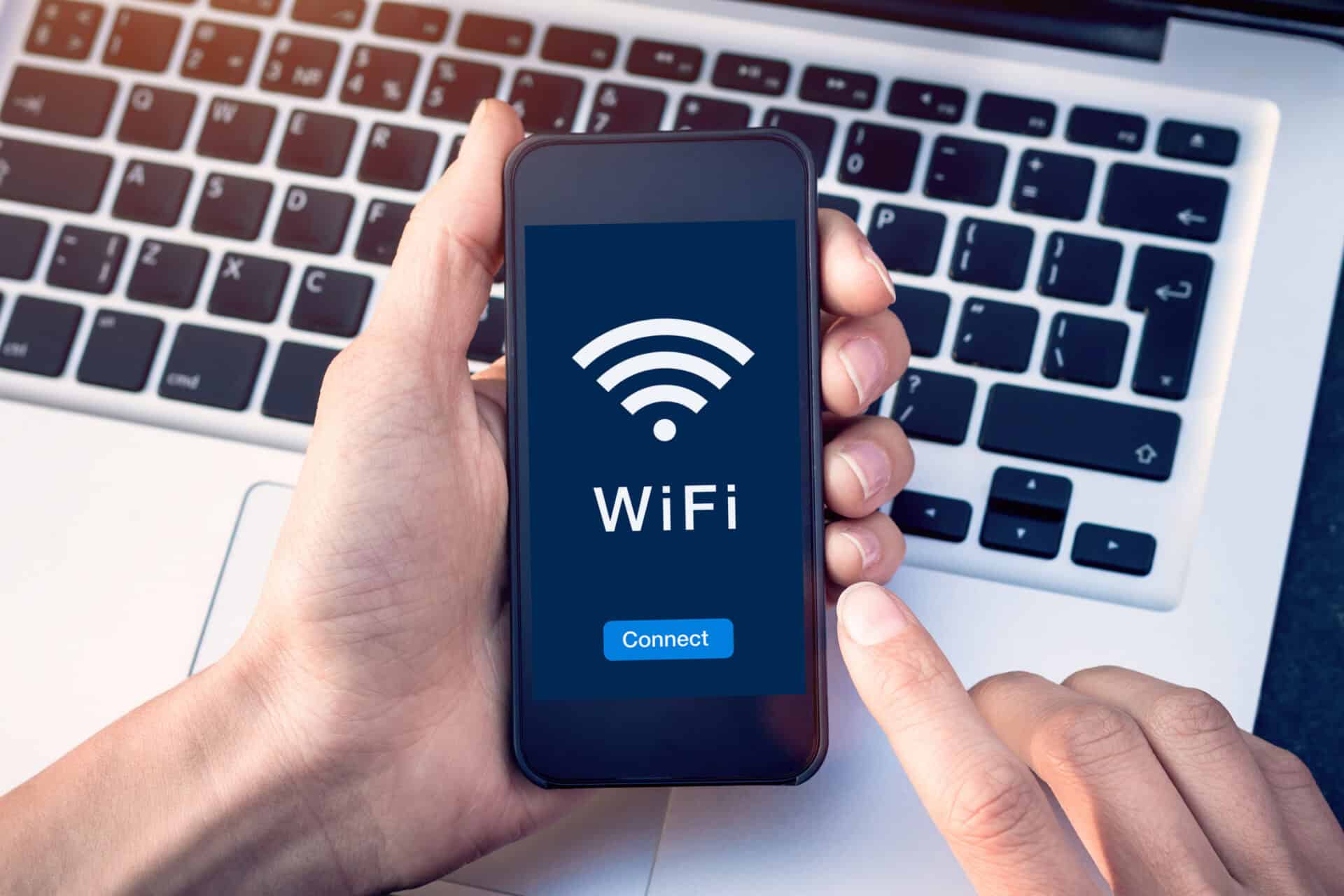
Look closer at where that data actually came from. According to the airport group, the majority of the stolen records were email addresses collected when passengers signed up for terminal Wi-Fi. The remaining detailed records, including vehicle registrations and postcodes, came from customers booking parking, lounge access, and fast-track passes. In short: the single largest pool of stolen data came from the guest Wi-Fi sign-up list, and the rest came from the booking desk.
Now map that onto your property:
-
At the Wi-Fi portal: You capture an email address, name, room number, and marketing opt-ins.
-
At check-in and booking: You collect names, addresses, phone numbers, vehicle details, and payment info.
The exact categories of data stolen from 8.7 million airport passengers are sitting in your Property Management System (PMS) and Wi-Fi gateway right now.

Most operators treat Wi-Fi sign-ups as a marketing channel and booking records as routine operations, giving little thought to the underlying risk. But every record you hold is personal data you are responsible for securing. Email addresses are far from harmless; a stolen list of confirmed guests, tied directly to a property they visited, is premium raw material for targeted phishing scams. Attackers can email your guests, reference their stay, and impersonate your hotel. When the scam lands, the reputational damage hits your brand.
Use this incident as a prompt to ask three critical questions about your property:
-
What are you collecting, and do you actually need it? Every field gathered at your Wi-Fi portal or front desk is a field you must secure and, if breached, disclose. If you collect data simply because a system default asked for it, turn it off. The easiest data to protect is the data you never held.
-
Where does the data live, and is it properly isolated? Guest Wi-Fi must be strictly segregated from core business operations. The network guests use to stream movies should never touch your PMS, point-of-sale systems, or security cameras. On a flat network, one compromised guest device or credential provides a direct path into your entire operation.
-
What is your response plan if a breach occurs? Manchester Airports Group contained the attack and notified customers swiftly because they had an incident response plan ready. Detect, contain, notify: this sequence cannot be improvised during a crisis. Even a boutique hotel needs to know who to call, what to communicate, and what legal obligations apply before an incident happens.

Securing your business does not mean pulling the plug on guest Wi-Fi or trimming essential booking details. It means knowing what data you store, isolating it from core operations, and preparing a clear response plan.
If you want a clear, practical assessment of what guest data your property holds, where it resides, and where your risks lie, discover how CMIT Solutions specializes in helping hospitality clients secure their networks and protect their reputations.
Source: BBC News, “Hackers steal data from millions of UK airport customers,” August 27, 2026.