
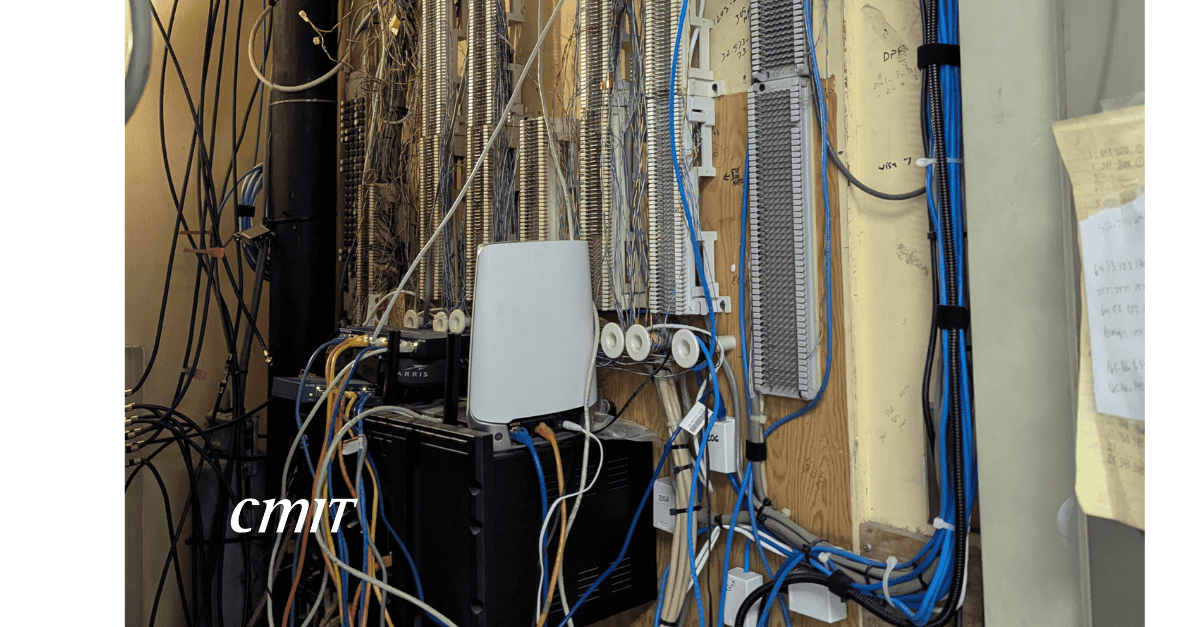
If you’re evaluating a VoIP phone system for your business, this story might sound familiar.
A prospect reached out to me about an upcoming office move. It was in the middle of that conversation that their phone system came up: an older, on premise PBX handling their calls, the kind of switch that lives in a closet and gets forgotten until something breaks. Relocating it wasn’t going to be simple. Their new space had Cat6 cabling throughout, which sounds like good news, except none of it was configured for phone traffic, so moving that PBX meant paying to physically relocate the hardware and then paying again to wire the new office specifically for telephones.
The more we talked, the more they admitted the PBX had already been giving them trouble long before the move ever came up. Updating a voicemail greeting took more effort than it should have, and more than once a caller got a busy signal instead of reaching someone. Which raised the obvious question: why go to all that expense to keep a system they didn’t even like?
Why Your VoIP Phone System Decision Doesn’t Need to Wait for a Move
Here’s the part that matters beyond this one office move. That question doesn’t require a relocation to be worth asking. Plenty of businesses are sitting on an aging PBX right now, not moving anywhere, and have simply never had a reason to look at what a cloud based VoIP system could do for them. The move was just what forced the conversation for this prospect. It didn’t need to be the reason.
What a Cloud VoIP Phone System Can Actually Do
We proposed a cloud based VoIP system and walked them through capabilities most business owners have never had a reason to learn about. No rewiring, because the phones run over the network connection already there. No PBX to relocate, manage, or eventually replace again, because there isn’t one on site. If their internet ever went down, calls would still reach them through an app on a laptop or a mobile phone, so a single connection problem wouldn’t take the whole phone system with it. They wouldn’t need a dedicated fax line either, since cloud fax comes included. Nobody would be buying new desk phone hardware out of pocket, since a phone is included for every user.
Past the basics, we showed them a few things that surprised them. Their greeting doesn’t have to be a static message; it can change with the day or the season and function as an information line rather than just a way to reach a person. Office hours can route differently on different days without anyone touching a setting. Someone placing a call from their personal cell phone can have it appear to whoever they’re calling as the office number, so there’s no need to carry two phones just to keep business calls separate from personal ones. A desk phone at the office and one in a home office can ring at the same time, so a call doesn’t hit voicemail just because someone stepped away from one location. They also had a remote employee, and we showed them how that person could be set up in the same ring group as everyone else, with a busy light so the rest of the team could see when that employee was already on a call, the same way they would with someone two desks over.
Is a Small Business VoIP Phone System Worth the Cost?
The honest answer on cost is that VoIP isn’t automatically cheaper. According to a U.S. Chamber of Commerce report, small business VoIP typically runs $10 to $60 or more per user each month, while installing an on premise PBX can cost thousands of dollars upfront. At the low end, for a small office with simple needs, the monthly number tends to land close to what a business is already paying, which is exactly what this prospect found. As needs get larger, the price can climb past a bare bones phone line, but so does the value: the fail-over, the flexible routing, the ability to fold a remote employee into the same system as everyone in the building. For a growing office, that value is usually worth more than the difference on the bill.
I’m not going to pretend this one is wrapped up. Someone told this business that switching phone systems would be difficult, and that’s part of why they’re now weighing moving the old PBX into the new office and paying to wire it for phone use, instead of making the switch to something built for the move they’re already making. They haven’t decided. But you don’t need an office move to ask the same question they did. If you’re still running an on premise PBX and haven’t looked at what a small business VoIP system could actually do, that’s worth ten minutes on its own, whether you’re going anywhere or not.
Related reading: The Decisions You Should Have Already Made


