
 A client of ours already had us managing their computers, and they came to us wanting more: network management, a new VOIP system, and equipment that would cut their costs by a meaningful amount while improving service on top of it. We built the quote, ran the numbers, and the case was strong enough that moving forward looked like the easy part. What we didn’t know yet was how much a single vendor contract renewal, buried years in the past, was about to cost them.
Why a Vendor Contract Renewal Can Undo the Math
The hard part was finding out what they’d actually signed. We asked for their current contract terms more than once, and never got a clear answer: nobody at the company had the document in front of them, or remembered exactly what it said. So we kept moving forward anyway. The cutover was planned, the equipment specced and ready to order, the timeline set. Only when we finalized the details did we learn the truth: a year remained on a multi year contract with their existing provider. The whole project stopped. For twelve months they kept paying the old, more expensive rate for service we’d already shown them how to improve, because a contract signed years earlier hadn’t finished running its course.
A Second Vendor Contract Renewal, Same Blind Spot
Another client hit a version of the same wall from a different angle. Service and pricing problems, building for a while, gave them a reasonable reason to switch internet providers. They installed the new service, got it running, and only then moved to cancel the old one, which is when they learned they were nine months from the end of their contract term. Breaking it early cost a real fee, on top of paying for two internet connections they didn’t need during the overlap. Between the termination charge and the redundant cost, they won’t see a dollar of the savings they switched for until well into year two. This kind of blind spot isn’t unique to IT and telecom contracts either. It’s the same pattern behind The Cost of Not Changing, where the expense of staying put quietly outweighs the cost of finally acting.
How to Protect Yourself Before the Next Vendor Contract Renewal
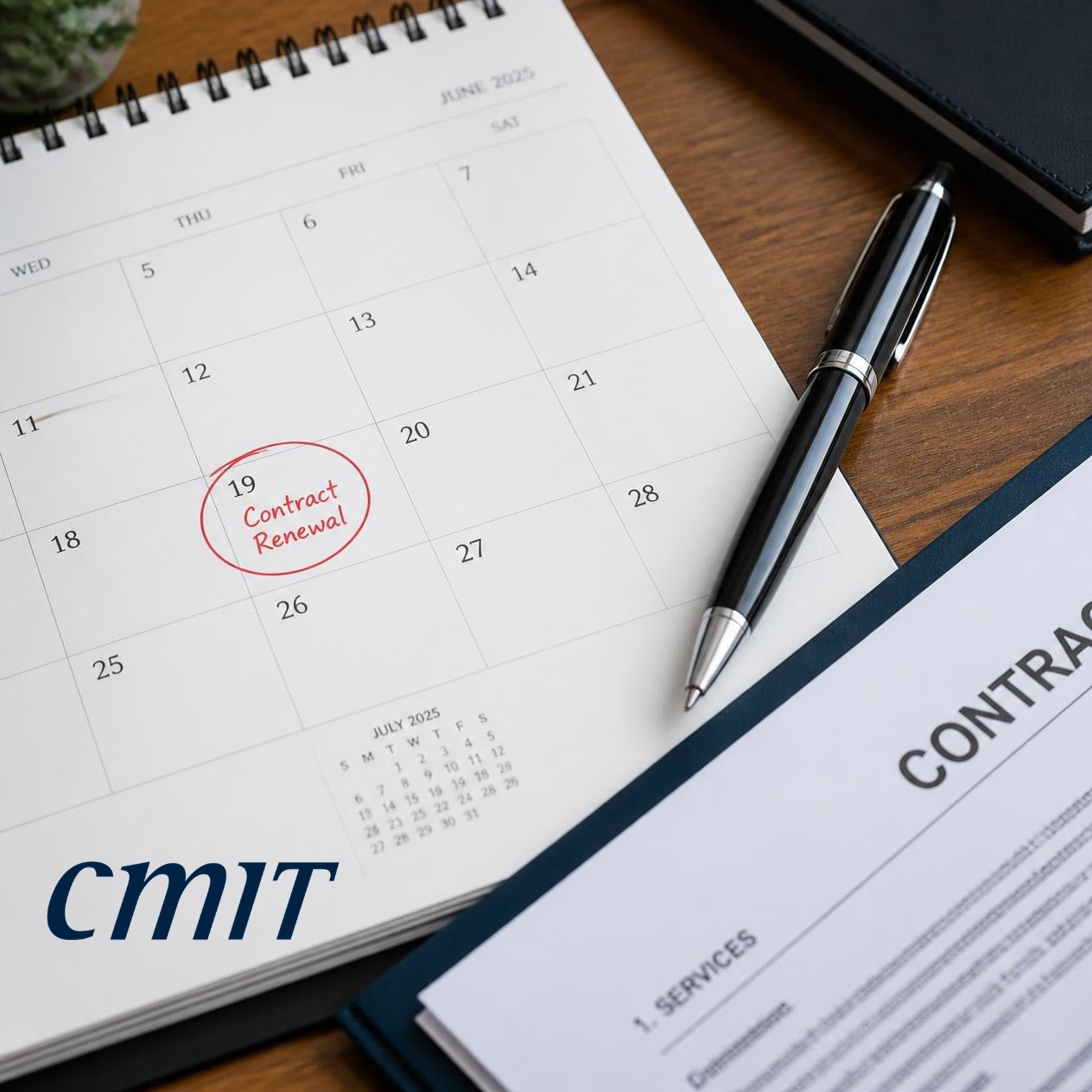
Neither client did anything careless. They made a good decision at the wrong moment, because the moment that mattered had already passed, years earlier, on the day they signed a contract with a term length nobody was tracking. A business best practice is to put a reminder on the calendar ninety days out from any multi year or automatic renewal, before the window to act closes. Nobody else is going to do it for you, and you’re the only one who benefits when it gets done.
This isn’t only a courtesy on the vendor’s part, either. The FTC’s own amended Negative Option Rule now treats automatic renewal terms, including in business to business contracts, as something sellers have real obligations around, which says something about how commonly the fine print gets missed.


