
- Cloud solutions support how modern teams work by enabling remote access, real-time collaboration, and flexible systems that adapt as businesses grow and change.
- Data protection and continuity are built into cloud platforms through stronger security, automated backups, and faster recovery, helping businesses stay operational during disruptions.
- Cloud adoption also improves decision-making by increasing visibility, stabilizing costs, and giving leaders the confidence to plan without infrastructure limitations.
Most businesses don’t decide to “move to the cloud” in a single moment. It usually starts with small frustrations. Files that can’t be accessed remotely. Systems that slow down during busy hours. Security updates that feel constant but never complete. Over time, these little inefficiencies add up and begin to affect how teams work, how fast decisions are made, and how resilient the business really is.
Here is why cloud solutions have quietly become the foundation modern businesses rely on to stay flexible, secure, and prepared for what comes next.
1. Modern Work Requires Flexible, Always-Available Infrastructure
This first group of reasons centers on how work actually happens today. Teams are no longer tied to one office, one device, or one schedule. Cloud solutions exist to support that reality, not fight against it.
These aren’t abstract benefits. They show up in day-to-day operations in very practical ways.
a) Work No Longer Happens in One Place
Modern teams move between offices, homes, job sites, and client locations. They collaborate across time zones and rely on shared systems to stay aligned.
Cloud platforms allow employees to access files, applications, and systems securely from wherever they are, without relying on fragile on-site servers or workarounds. This flexibility isn’t just convenient. It removes delays, miscommunication, and dependency on physical infrastructure that can slow a business down.
When access becomes seamless, productivity follows naturally.
b) Systems Can Scale as the Business Grows
Traditional IT infrastructure often forces businesses to guess their future needs. Too little capacity leads to slowdowns. Too much leads to wasted investment.
Cloud environments scale as needed. Storage, computing power, and applications can grow alongside the business instead of limiting it. This makes it easier to respond to growth, seasonal demand, or unexpected changes without major disruptions.
For growing organizations, this adaptability becomes a competitive advantage.
c) Downtime Has a Bigger Impact than Ever
Even short periods of downtime can interrupt operations, affect customer trust, and create internal stress. As businesses rely more heavily on digital systems, availability becomes critical.
Cloud-based platforms are designed with redundancy and reliability in mind. Systems are monitored continuously and supported by an infrastructure that minimizes single points of failure. When issues arise, they’re often resolved faster than with traditional on-premise setups.
This reliability supports smoother operations and greater confidence across the organization.
d) Collaboration Becomes Easier and More Natural
Teams work better when information flows freely. Cloud tools allow multiple users to work on the same documents, systems, and applications in real time.
This reduces version confusion, email overload, and delays caused by disconnected systems. Collaboration becomes part of the workflow instead of an extra step.
As businesses become more collaborative by necessity, cloud platforms make that collaboration sustainable.
e) IT Becomes a Support System, Not a Bottleneck
When systems are difficult to maintain, IT teams spend more time reacting to problems than enabling progress.
Cloud environments simplify updates, maintenance, and system management. This allows IT resources to focus on strategic improvements rather than constant firefighting.
Many businesses partner with providers offering cloud services to ensure systems stay current without overwhelming internal teams. This shift turns IT into a growth enabler rather than a limiting factor.
2. Data Protection and Business Continuity Can No Longer Be Optional
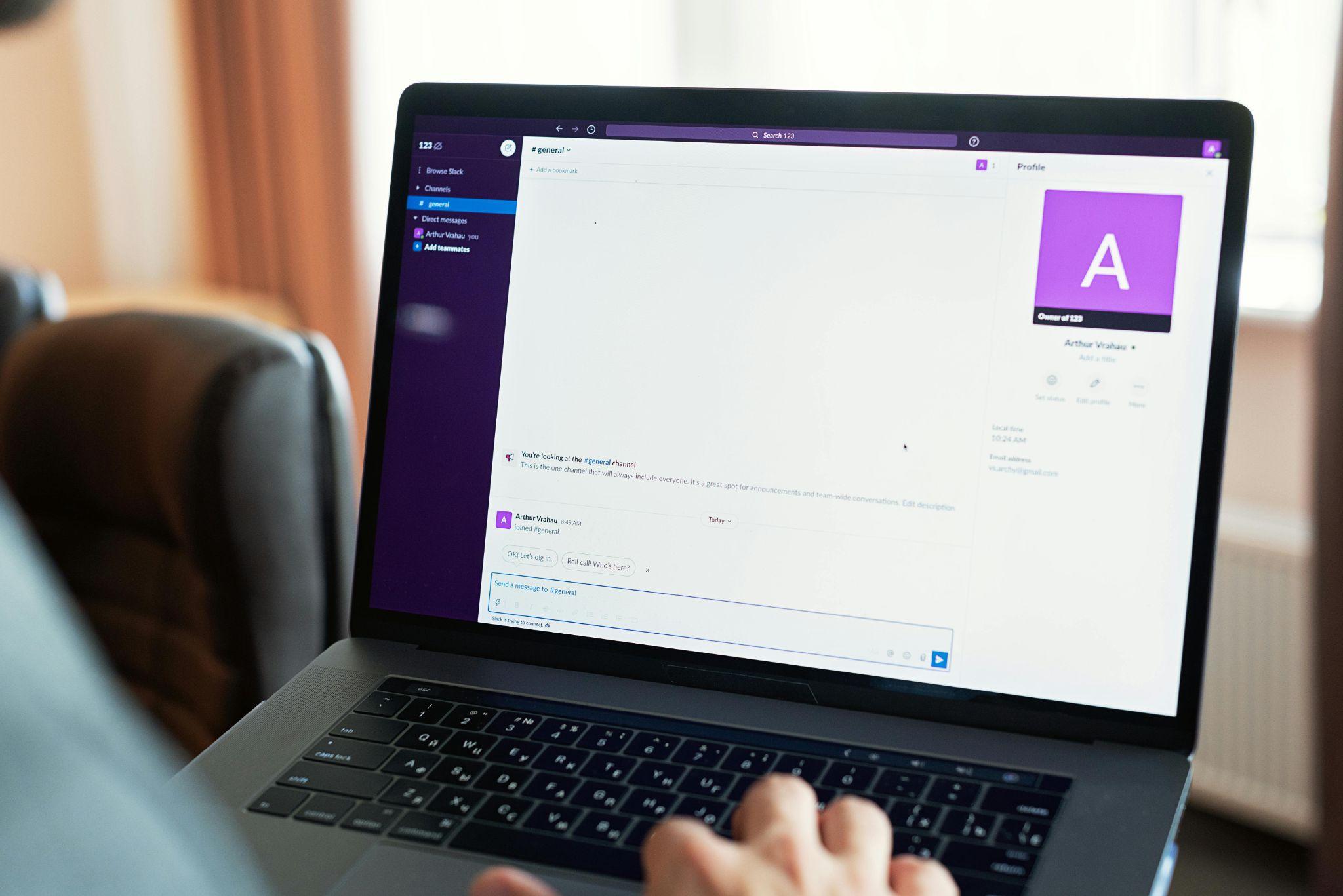
As businesses generate more data, protecting it becomes more complex and more important. This second set of reasons focuses on why cloud solutions are essential for safeguarding information and ensuring operations can continue even when things go wrong.
These are not worst-case scenarios. They’re realistic risks that every modern business faces.
a) Data Is the Business
Customer information, financial records, operational data, and internal knowledge all live digitally. Losing access to that data, even temporarily, can halt operations.
Cloud platforms are designed to protect data through encryption, controlled access, and structured storage. This reduces the risk of accidental loss and improves accountability around who can access what.
Protecting data is no longer just an IT concern. It’s a business priority.
b) Backups Need to Be Automatic and Reliable
Manual backups are easy to forget and difficult to verify. When something fails, businesses often discover too late that backups were incomplete or outdated.
Cloud-based data backup and disaster recovery solutions automate this process. Data is backed up consistently and stored securely off-site, making it accessible even if local systems are damaged or unavailable.
This automation removes human error from a critical protection layer.
c) Disruptions Are Inevitable, Recovery Shouldn’t Be
Storms, power outages, hardware failures, and cyber incidents all happen. What matters is how quickly a business can recover.
Cloud recovery systems are built for rapid restoration. Applications and data can often be brought back online far faster than with traditional setups. This minimizes downtime and helps businesses resume operations with less stress.
Preparedness becomes a built-in feature rather than a reactive scramble.
d) Security Threats Are Constant and Evolving
Cyber threats are no longer rare or sophisticated edge cases. They’re ongoing, automated, and increasingly targeted.
Cloud platforms integrate advanced security measures such as monitoring, access controls, and threat detection. When combined with professional cybersecurity oversight, this creates a stronger defense than most businesses could maintain alone.
Security becomes proactive instead of reactive, reducing response time when incidents occur and limiting how far a threat can spread before it’s contained.
e) Compliance and Accountability Are Easier to Manage
Many industries face regulatory requirements around data handling and privacy. Cloud systems provide logging, access tracking, and reporting that help businesses stay compliant.
This transparency supports audits, builds trust with clients, and reduces the risk of compliance gaps that can lead to penalties or reputational damage. It also gives leadership clearer visibility into how data is actually being used across the organization, not just how it’s supposed to be used.
Over time, that clarity makes compliance a routine operational practice rather than a stressful, last-minute scramble.
3. Cloud Solutions Support Smarter Decision-Making and Long-Term Strategy
Beyond infrastructure and protection, cloud solutions influence how businesses think, plan, and adapt. This final group of reasons focuses on strategic impact.
Cloud adoption isn’t just an IT upgrade. It’s a shift in how businesses operate and prepare for the future.
a) Visibility Improves Across the Organization
Cloud platforms centralize information, making it easier to see what’s happening across departments.
Leaders gain clearer insight into operations, performance, and trends. Decisions are based on current data rather than outdated reports or disconnected systems.
This clarity supports faster, more confident decision-making.
b) Technology Aligns with Business Goals
When technology is rigid, it forces businesses to adjust their processes around limitations. Cloud environments are more adaptable.
Systems can be configured to support how the business actually works, not the other way around. This alignment reduces friction and improves efficiency across teams.
Technology becomes a strategic tool rather than a constraint.
c) Costs Become More Predictable
Traditional IT often involves large upfront investments and unpredictable maintenance expenses.
Cloud solutions typically follow more predictable usage-based models. Businesses pay for what they use and can adjust as needs change. This improves budgeting and reduces surprise costs.
Financial planning becomes clearer and more controlled.
d) Innovation Becomes Easier to Test and Adopt
Cloud platforms make it easier to try new tools, applications, and workflows without major infrastructure changes.
Businesses can experiment, evaluate, and adopt innovations more quickly. This agility supports continuous improvement and keeps organizations competitive.
Innovation becomes practical instead of risky.
e) Expertise Becomes Accessible
Managing modern IT environments requires specialized knowledge. Many businesses don’t need or want to build that expertise internally.
Working with a trusted managed IT services provider allows organizations to access guidance, monitoring, and support tailored to their needs. This partnership ensures cloud systems are optimized, secure, and aligned with long-term goals.
Technology decisions become informed rather than overwhelming.
What Changes When the Systems Finally Work
Most businesses don’t realize how much energy they spend compensating for their technology until they don’t have to anymore. Meetings get shorter. Work moves without double-checking access. Decisions stop being delayed by technical “what ifs.” The shift isn’t loud, but it’s immediate. When cloud solutions are done right, they remove friction from the business in ways that are felt every single day. That’s when technology stops being something you manage and starts becoming something you rely on.
CMIT Solutions of Tampa South helps businesses implement cloud solutions that support growth, security, and long-term stability without unnecessary complexity. Get in touch to explore cloud options tailored to how your business operates and where you want to take it next.