Refrigeration Cyberattack Las Vegas Businesses Should Plan For Now
Attackers are overheating grocery freezers and blood-bank cold rooms through controllers left reachable from the internet.
Published by CMIT Solutions of Las Vegas · Cybersecurity · 6 min read
What the FBI and CISA Warned About Refrigeration Systems
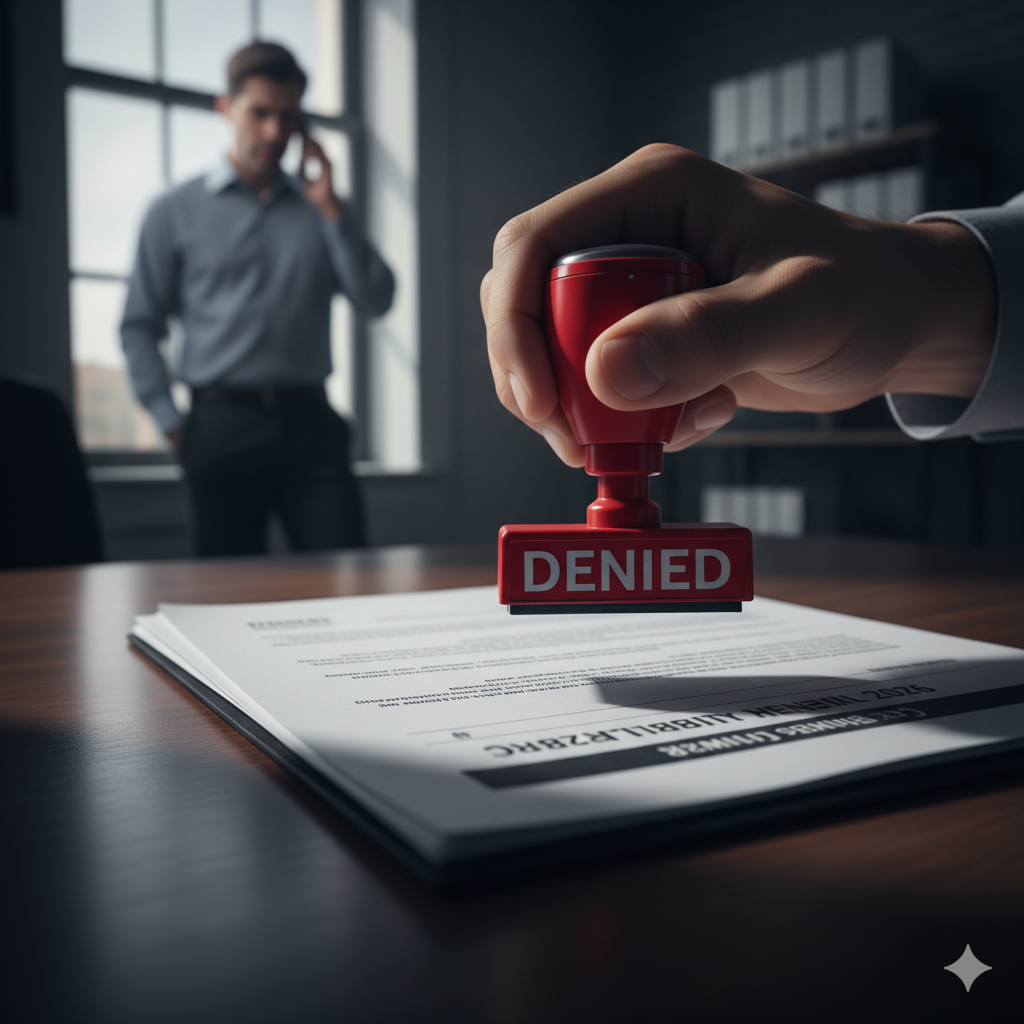
A refrigeration cyberattack Las Vegas operators have not yet seen is already hitting businesses overseas, and US agencies call the threat ongoing. On Thursday, November 5, 2026, CISA, the FBI, HHS, USDA and the Department of Transportation urged owners of industrial refrigeration and cold-chain monitoring systems to harden them. No Las Vegas incident has been reported.
In October, attackers remotely changed settings on commercial refrigeration controllers at supermarkets in France, running defrost cycles and raising temperatures overnight. Help Net Security reported that hundreds of stores lost stock. A second wave in November reached more than 115 stores across six European countries, according to BleepingComputer, with some units heated as high as 50°C (122°F).
Medical storage was hit too. France’s blood establishment confirmed on November 3 that a breach at a refrigeration equipment provider changed temperature and defrost settings at three facilities that store blood products, per BleepingComputer. TechCrunch reported that the US Defense Department is investigating hacks of military-run freezers. No group has been named, and US attribution is unconfirmed.
How a Refrigeration Cyberattack Works
The attack does not look like ransomware. Nothing is encrypted and no ransom note appears. The equipment stops doing its job while the building looks normal.
- Exposed controllers: temperature panels and monitoring gateways reachable from the public internet through remote-management features.
- Software flaws: the advisory points to authentication bypass and code injection flaws, plus weak configurations.
- Unsupported equipment: TechCrunch reported that some affected units came from a manufacturer that had stopped providing security updates.
- Changed setpoints: attackers raise temperatures or trigger defrost cycles, and operators lose sight of current readings, a condition the advisory calls denial-of-view.
What a Cold Chain Cyberattack Puts at Risk in Las Vegas
Las Vegas runs on refrigerated inventory. Kitchens, grocers, clinics and caterers all depend on cooling equipment that now sits on a network. Here is what is at stake locally.
- ⚠Restaurant and resort kitchens: a walk-in cooler can be emptied of usable product overnight, before the morning shift arrives.
- ⚠Grocers and convenience stores: the same controller types hit in Europe are sold across the US retail market.
- ⚠Medical and dental offices and pharmacies: vaccines and medications sit in refrigerators with connected temperature monitors.
- ⚠Food distributors and event caterers: cold storage failures spread to every customer you supply.
- ⚠Desert heat: a cooling unit that fails in a Las Vegas summer loses temperature fast, so response time matters.
Why Refrigeration Security Falls Between the Cracks
Refrigeration equipment is usually bought and installed by facilities staff or a refrigeration contractor, not by IT. The contractor connects it for remote monitoring, and the controller joins the network with a default login. Nobody puts it on the asset list, so nobody patches it.
That gap is exactly what the advisory describes. Your cooling equipment is part of your attack surface whether or not your IT provider has ever seen it. A short conversation with your refrigeration contractor this week answers most of the questions below.
- Is remote access turned on? Ask who can reach each controller from outside the building and how they sign in.
- Are default passwords changed? If the contractor does not know, assume they are not.
- Is the equipment still supported? Ask for the manufacturer’s last firmware update date.
- Who gets the alarm at 2 a.m.? A named person with a phone beats a dashboard nobody opens.
Three Steps to Secure Refrigeration Equipment
• Take refrigeration controllers off the public internet
The GapMany controllers and monitoring dashboards ship with remote access that someone switched on years ago. Often nobody in IT knows the devices exist.
The FixList every connected controller, monitor and gateway. Remove public exposure. Where remote access is needed, route it through a business-grade firewall kept at its latest version, with multifactor authentication and changed default passwords.
• Separate operational equipment from your business network
The GapCoolers, cameras, point-of-sale terminals and office laptops often share one flat network. An attacker who reaches a thermostat can then look for everything else.
The FixPut operational equipment on its own VLAN, a separate network segment. Allow only named devices and IP addresses to change settings, and turn on logging.
• Patch or replace equipment, and alarm on temperature drift
The GapControllers the manufacturer no longer updates stay vulnerable for good. Most sites also have no alert that wakes a person when temperatures drift after hours.
The FixApply firmware updates and replace unsupported units. Set temperature limits on downstream equipment with alerts to a named person, and keep tested offline backups of controller settings.
Las Vegas Businesses: Don’t Wait for the Breach.
Find out what is connected to your network before an attacker does.
Defending Las Vegas with CMIT Solutions
CMIT Solutions of Las Vegas is led by Adam Lopez, who spent 15+ years running technology inside casino resorts and hospitality companies where a failed system costs money by the hour. We map everything on your network, including equipment that was never meant to be there, then close the exposure and watch it 24/7 with managed detection and response. Local response matters when the equipment in question is a walk-in cooler in July.
1. Help Net Security, “US agencies warn attackers are targeting refrigeration systems that protect food and medicine,” November 6, 2026: helpnetsecurity.com
2. BleepingComputer, “FBI, CISA warn of cyberattacks targeting refrigeration systems,” November 5, 2026: bleepingcomputer.com
3. TechCrunch, “US government warns of ‘ongoing cyber threat’ amid mass hacks of industrial retail and military freezers,” November 5, 2026: techcrunch.com
Protect Your Las Vegas Business Today
Get a clear picture of your exposure and a short list of fixes.
Prefer to talk? Call (702) 725-2877 or email LVSales@cmitsolutions.com