

A tailgating attack is a physical security threat that allows an unauthorized person to bypass access controls by following an authorized individual into a restricted area. This attack is a social engineering technique often analyzed by cybersecurity services as it relies on human behavior exploitation, and works by manipulating common courtesy to bypass physical security.
By gaining physical access, an attacker paves the way for stealing your sensitive data or installing malware, and this physical breach will become a gateway to serious cyber threats.
Quite often, a tailgating attack is only the first phase of a more elaborate assault that could harm your business. Let’s take a look at how these attacks work, the potential damage, and layered prevention strategies to safeguard your business.
Unpacking the Methods Behind a Tailgating Attack
While tailgating and piggybacking represent distinct physical intrusion methods, understanding the difference optimizes threat detection. Recognizing how these deceptive tactics operate allows an organization to build resilient perimeter defenses.
A tailgating attack occurs when an unauthorized person follows an authorized individual through a secure door. If the authorized person remains unaware, the attacker achieves the objective of gaining physical access.
Piggybacking, on the other hand, involves an authorized person knowingly assisting the intruder. When an employee holds the door, that action enables an attack. Because an intruder fails without this assistance, security protocols must address both actions.
Both techniques rely on social engineering to exploit workplace trust and bypass controls. Attackers use several common scenarios that continue to grow in popularity, and this modern threat landscape requires close attention.
A common method involves asking someone to “hold the door,” which preys on basic courtesy, especially if an attacker carries large boxes. Observing someone struggling often triggers a natural desire to help, but this assistance directly aids the attacker.
Another tactic involves posing as a delivery person, vendor, or contractor. By dressing the part, appearing as a courier one day or a technician the next, intruders avoid suspicion. Successful entries demonstrate that individuals frequently trust appearances — highlighting the need for vigilant staff and strict verification procedures.
Another approach taken by the intruder would be assuming the identity of a co-worker with a forgotten ID credential. Identity verification at all checkpoints makes sure that intruders cannot even attempt to enter through any checkpoint.
The threat can also quickly transition from physical to digital. For instance, an intruder might gain access to an unattended, logged-in workstation inside a building. This unauthorized access allows malicious actors to bypass standard network security controls and compromise sensitive corporate data from within.
In every case, the strategy turns helpfulness into an operational vulnerability. Ignoring this risk compromises organizational safety, meaning every policy must actively engage the workforce and reinforce regular training. Understanding these deceptive methods is the first step, but recognizing the significant damage that follows a successful breach is equally crucial.
The Cascade of Risks Following a Single Breach
A tailgating attack grants unauthorized access to restricted areas and triggers data breaches, information theft, and critical security compromises. Malicious actors gain direct exposure to trade secrets, sensitive customer data, or vital internal systems.
While tailgating attacks exploit routine workplace trust, human behavior remains a critical component of overall organizational safety, especially considering that at least 60% of all corporate data breaches involve a human element.
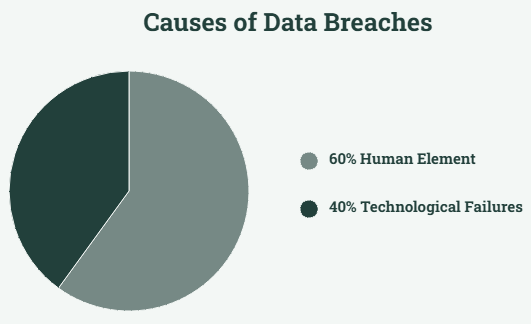
This results in identity theft, espionage, and malware being placed into the system directly, which makes the situation very perilous indeed. An effective tailgating attack becomes a direct pathway to a major data breach.
The consequences of a single incident remain severe, ranging from financial loss and operational downtime to lasting reputational damage and potential legal liabilities. Once an intruder bypasses perimeter security, the facility faces immediate, compounding threats — ranging from the exfiltration of sensitive data to outright vandalism and risks to personnel safety.
Exploiting their deep understanding of internal systems, former employees can become potent insider threats, potentially damaging critical hardware, compromising physical assets, or disrupting business continuity.
These attacks open a direct path for espionage — competitors or cybercriminals can effortlessly steal proprietary information, deploy covert recording devices, or gather intelligence to compromise the organization.
An attacker can use this initial access to breach a network and launch a much larger cyberattack, which often costs millions in damages and recovery. Once inside, a perpetrator may use a universal serial bus (USB) device to steal confidential data or infect an unlocked, unattended computer with malware.
Ultimately, physical tailgating leads to hardware theft and direct sabotage, while the resulting digital access causes data breaches, financial loss, and an erosion of customer trust. This dual threat exposes an organization to compliance risks, potential lawsuits, and steep financial rectification costs — making robust prevention non‑negotiable.
Also Read: Human Element in Cybersecurity: Building a Safer Workplace
Building Your First Line of Defense with Policy and Training
Even when security systems feature sophisticated engineering, a single lapse in judgment from an employee can allow an attacker to tailgate into a building. Therefore, prevention strategies must begin with two foundational pillars
- Strong organizational policies
- Consistent employee training programs.
A concise policy on tailgating will give employees guidelines on avoiding access by unauthorized persons and any breach attempt. The policy should outline the expected response in case social engineering techniques are used, visitor handling methods, and checking of visitors. Revoking access permissions for all former employees and contractors immediately enforces strict access control.
Regular security training sessions raise critical awareness about tailgating attacks and security best practices. Educating staff on the importance of vigilance empowers teams to identify and report suspicious behavior.
Training teaches staff how to spot common tailgating tactics, challenge unknown individuals politely, and restrict access for unidentified persons. Ongoing training throughout the year reinforces these skills continuously.
Security awareness programs gain further efficacy by introducing simulated attacks. Ultimately, these efforts build a security-conscious culture where asset protection becomes a shared responsibility.
The simplification of the process of reporting suspicious behavior makes for a successful security environment. Various security campaigns that use posters, emails, and intranet updates ensure that everyone stays informed about security processes.
To ensure success with the tailgating prevention system, all employees need to comprehend how both the policy and reactions combine with physical technology.
Reinforcing Your Security with Smart Technology
By centralizing access control and deploying continuous monitoring, organizations leverage technology to proactively neutralize potential tailgating threats. Access control systems establish the primary defense against unauthorized entry.
Entrances utilize access readers for keycard, smart card, or key fob systems, granting property access only to authorized personnel holding valid credentials. Using traceable physical credentials creates a digital log of every individual entering a building, helping to prevent a tailgating attack.
By implementing multi-factor authentication (MFA) that integrates physical keys with biometric data or PIN-based verification, organizations ensure that stolen credentials alone are insufficient for unauthorized entry.
By implementing biometric verification in sensitive environments like data centers, organizations create a vital fail-safe that blocks unauthorized movement even if an intruder slips past the building’s perimeter.
Alongside advanced biometric scanners, physical barriers offer high effectiveness. By restricting entry to a single individual at a time, turnstiles serve as a robust physical barrier in high-traffic lobbies, neutralizing the threat of intruders following staff through security.
Strategically deploying Internet Protocol (IP) cameras throughout main access points and critical zones enables staff to intercept tailgating attacks with greater reliability. A video surveillance system acts as a deterrent to potential intruders and provides valuable evidence for post-incident identification.
Modern surveillance systems also use video analytics to automatically detect suspicious activities and remotely alert administrators. Assigning visitors badges with vivid color-coding and clearly displayed expiration times allows staff to quickly identify authorized guests.
It provides an inexpensive solution that enhances the safety and accountability of all non-employees. Also, it is the implementation and management of these technology tools that becomes one of the most efficient ways of preventing tailgating. It is only when these technologies are combined with proper policies and ongoing training for employees that their full potential can be harnessed.
A Layered Approach is Your Strongest Defense Against Tailgating
A tailgating attack represents a significant security challenge that businesses of all sizes must address. Effective prevention strategies require a multi-faceted approach that combines robust security technologies, clear organizational policies, and consistent employee training programs.
Integrating these three pillars fosters a vigilant, security-conscious culture across every team. To ensure comprehensive protection, consider partnering with CMIT Solutions of Silver Spring for professional IT consulting management. Contact them today to protect your business with a tailored security plan.