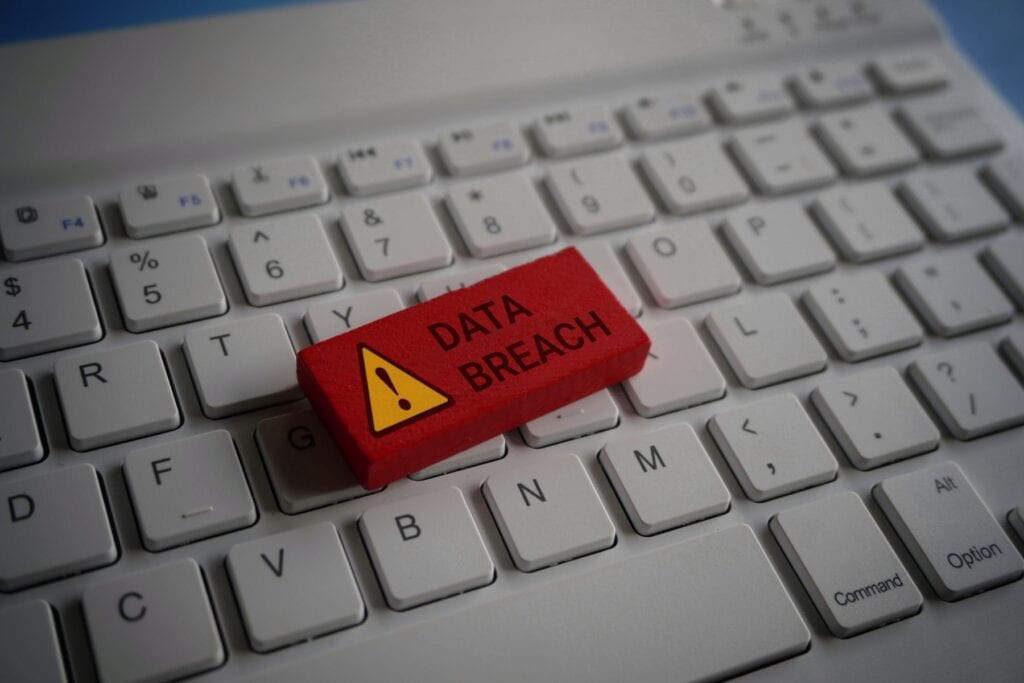

The frequency of data breaches is rising and it appears as though none of the companies are safe from this type of offence. This could be due to assailants becoming increasingly competent at locating and taking advantage of weaknesses in any form of system. Cybercriminals are attacking companies of all sizes and are obtaining more and more money from these assaults. To protect your business from data breaches, here are 3 essential data security guidelines discussed in this blog.
The Occurrence of Data Breaches Has Been On the Rise
Over the past year, the number of data breaches has increased in addition to the financial losses. Organizations have had to pay an average of $4.24 million per incident in 2021, which is more than the $3.86 million in 2020. There has been a significant shift in the way organizations are managing confidential information and a heightened level of concern for those whose personal data has been exposed.
The expansion of data breaches is attributed to the rising proficiency of cybercrime and the lack of protective measures taken by businesses. Measures such as antivirus and password management policies are popular approaches to data security, yet those are not enough to completely guard against potential breaches. As hackers are becoming more tech-savvy and organized, they can employ more advanced techniques to breach data.
The danger of information being exposed can be compounded by insiders who take advantage of their access to delicate data or who use systems for malicious goals. In particular, employees may sometimes act carelessly and therefore provide unauthorized people with access to confidential information. All these issues have generated an increase in data breaches and their attendant losses.
Influence That Data Loss Can Have on Companies
The effects of data loss on businesses can be profound. It can cause significant financial losses, reputation damage, and disruption to operations. Businesses may also face legal repercussions, including potential fines, depending on the nature of the data lost. Additionally, businesses can experience a decrease in customer confidence and trust, resulting in lost sales or customers. These impacts can have long-term effects that can take time and resources to recover from.
Organizations commonly struggle with data loss, which can refer to anything from email to financial documents to customer information. All businesses need data to operate and when it is gone or taken, the results can be devastating.
The financial repercussions of a data breach can include expenses such as training staff to handle the issue, as well as restoring any lost information and any revenue or income that was lost due to the data loss.
Apart from the direct data loss, organizations may also face other issues due to such an incident, like:
Employee morale can suffer when managing or storing data
Audits and investigations can be costly
Efficiency can be hindered as personnel struggle to restore data
Lost opportunities can lead to a drop in revenue
Customers may be less loyal and engaged
Confidentiality can be compromised, resulting in security risks for the company.
For a company to keep functioning properly after a data loss, it is critical to start the recovery process right away. This can take a lot of effort and time, but it is important to ensure that everything runs as it should.
Three Strategies for Safeguarding Data
1. Ensure Your Data is Backed Up
For any organization that is dependent on data, backups are vital. By having consistent and dependable backups, the potential fallout of data loss can be prevented. They can also provide data security in the event of a catastrophe or data breach. However, designing a backup plan can be a challenge as there is no single, ideal approach. Some primary things should be taken into account, such as:
What kind of information does your organization depend on?
How often does your data get updated?
What is the magnitude and intricacy of your data?
How much storage space is available?
What are the expenses of backing up?
Gaining insight into the involved aspects allows you to create an effective backup plan. Here are a few strategies to consider:
Preserve duplicates of your most crucial documents and directories regularly. This includes things like your operating system, programs, and user preferences.
Make certain your backup media is readily available and stored in a secure place, if possible away from the premises.
If you use cloud storage services such as Dropbox or Google Drive, make certain to have offline versions of your files.
Assess your backups routinely to guarantee they are functioning properly and restore files precisely.
Retain old versions of your files, so you have multiple alternatives to choose from in the event of a dilemma.
that
2. Secure Your Information
One way to do this is by encrypting your data.
A method of preventing data loss is through the use of encryption. This is a way of shielding data by transforming it into a form that is incomprehensible to unauthorized individuals or software. Certain businesses use encryption to protect their clientele’s data from being accessed by other staff members or hackers.
When selecting an encryption technique to suit your requirements, there are a few things to take into account. One must first decide what kind of data is to be safeguarded, and to what level of safety. Additionally, it is necessary to take into account the amount of protection the encryption approach will offer; some are more secure than others. Moreover, it is of utmost importance to make certain that the encryption utility is compatible with the computer and its operating system.
3. Keep Track of Online Activity Using a Web Application Firewall
The purpose of a WAF (Web Application Firewall **) is to protect your web applications from data loss or data breaches by blocking malicious requests. This is accomplished by defending against common attacks such as SQL injections, cross-site scripting (XSS), and other exploits of potential vulnerabilities.
To safeguard sensitive data and functionality from attackers, a WAF can be used to block requests. As well as keeping out unauthorized personnel, the WAF is also capable of preventing data theft by intercepting malicious requests before they reach your servers. Such protection is especially necessary for websites that offer downloads or e-commerce.
A WAF is a tool that safeguards against any attempt to exploit weaknesses in encryption to access confidential information. A man-in-the-middle (MITM) attack is one such example of such a breach, where the intruder intercepts and deciphers the encrypted transmission between the user and the server. The WAF prevents such attacks, thus keeping user information secure and confidential.
The End Result
Businesses and people alike constantly confront the issue of data loss. The endeavor of restoring data can be expensive in certain circumstances because of the resources and time that are needed. To minimize the risk of data loss, it is preferred to put in place policies and procedures that will bring about prevention. This will always be better than having to attempt a fix after the fact.
Make certain to secure with encryption, vigilantly observe, and create a backup of your data!
Get Expert Aid from CMIT Solutions Austin Central to Put Shielding in Place for Your Records!
For Austin companies, CMIT Solutions offers a secure file-sharing system that employs advanced security measures to protect the integrity of the documents.
Call us now! Dial (512) 642-5457 or contact us through our website
 Download our complimentary guide to learn how to effectively outsource your IT challenges. It’s akin to having a reliable tech expert at your disposal. Save time, money, and maintain your peace of mind.