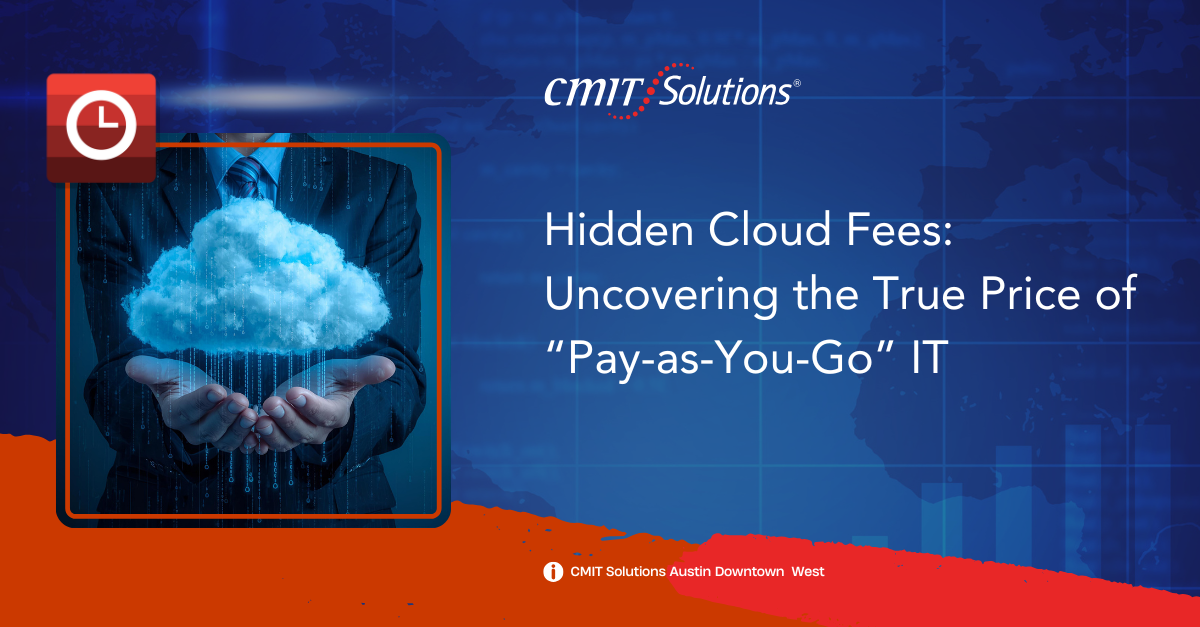
Cloud computing has revolutionized how modern businesses operate. For small and midsized organizations, the “pay-as-you-go” IT model seems ideal, scalable, flexible, and affordable. But many companies are learning the hard way that cloud convenience often comes with a hidden cost.
Behind the marketing promise of agility and affordability lies a web of unnoticed cloud expenses: data transfer fees, over-provisioned storage, and unnecessary redundancy. For Austin SMBs, understanding where these charges originate is essential to maintaining control and predictability in their IT budgets.
Businesses that partner with experienced managed IT services teams can uncover these hidden costs, optimize resources, and ensure that every dollar spent in the cloud contributes directly to business growth.
The Cloud Revolution and Its Financial Blind Spots
The cloud was supposed to simplify everything, pay only for what you use, whenever you use it. Yet many organizations find that “usage” isn’t as transparent as it seems.
Each transaction, backup, and API request adds up quietly. Without real-time monitoring, these small costs accumulate into budget surprises. SMBs that embrace cloud innovation in Austin know that visibility is key. By implementing cost tracking and governance, businesses transform the cloud from a financial wildcard into a predictable, scalable asset. The lesson is clear: the cloud’s value depends on your ability to see and manage its moving parts.
The Pay-as-You-Go Trap
“Pay-as-you-go” sounds empowering, but it often hides unpredictable variables. What starts as an affordable monthly subscription can balloon when workloads spike unexpectedly.
Hidden charges often arise from:
- Unused but active compute instances
- Unmonitored backups stored across multiple regions
- Hidden API calls between internal systems
- “Freemium” features that switch to paid after limits are exceeded
Smart organizations using data to decide analytics detect these patterns early. By analyzing usage trends and applying AI forecasting, SMBs ensure that cloud investments align with real business performance not inflated usage bills.

Data Egress Fees: The Cloud’s Hidden Toll Booth
One of the most common hidden expenses in cloud environments comes from data egress fees charges for transferring data out of the cloud. Uploading is often free, but retrieving data or transferring it between regions incurs costs that can catch unprepared businesses off guard.
For example, recovering files from cloud storage or syncing data between providers might seem routine but can result in hundreds of dollars in additional charges. Companies that follow data backup as optional frameworks already understand that recovery planning must include egress budgeting. Knowing when and how your data moves prevents surprise costs from derailing your IT budget.
Over-Provisioning: Paying for What You Don’t Use
Scalability is the cloud’s greatest advantage but it’s also where businesses lose the most money. Many SMBs purchase extra computing resources “just in case” and then forget to scale them down later.
Unused virtual machines, inactive containers, and redundant databases continue generating costs around the clock. Partnering with experts in why managed IT services helps organizations analyze workloads, right-size environments, and automate shutdowns for idle systems. Optimization doesn’t mean cutting capacity, it means paying only for what truly drives performance.
Data Duplication and Redundant Storage
Backing up your data is essential, but storing too many redundant copies wastes valuable resources. Some businesses unknowingly replicate the same data across multiple clouds or availability zones.
Automated backup tools can easily create duplicate datasets, each incurring its own storage fee. Following data retention policies based on digital trust in real estate strategies allows businesses to keep their data safe without overspending. The goal isn’t more storage, it’s smarter storage that preserves both data integrity and budget efficiency.
Vendor Lock-In: Paying for Convenience
Cloud vendors make it simple to sign up but moving away can be costly. Proprietary tools, APIs, and configurations often make switching difficult or expensive.
Vendor lock-in can lead to long-term financial dependency, where migration or integration becomes a major expense. Organizations guided by IT compliance in Texas frameworks know the importance of interoperability. Building flexibility into your cloud strategy today prevents painful transitions tomorrow. True agility comes from retaining the freedom to evolve without penalties.
Security and Compliance Costs
Security in the cloud is non-negotiable but it isn’t always included. Features like encryption, logging, and compliance monitoring often require additional subscriptions.
For regulated industries like healthcare and finance, these costs can add up quickly. Austin-based SMBs adopting zero trust maximum security frameworks know that embedding security from the start saves money long-term. Compliance shouldn’t be an afterthought, it should be a core part of every cloud design, balancing protection with predictable expenses.
AI and Automation: Managing Costs Intelligently
Artificial intelligence is changing how businesses monitor cloud performance. Machine learning algorithms can now predict cost spikes, automate workload scaling, and detect inefficiencies before they appear on invoices.
Companies that apply boosting cybersecurity with AI principles to cloud management gain a strategic advantage. AI tools automatically identify idle resources, consolidate storage, and even recommend budget-friendly configurations.
When technology manages technology, businesses save more while maintaining high performance.
Managed IT Services: Your Partner in Cloud Cost Control
For most SMBs, cloud billing complexity can be overwhelming. That’s why partnering with from startups to scaleups frameworks through experienced providers of managed IT services in Austin makes all the difference.
These specialists offer:
- Continuous usage monitoring and automated alerts
- Consolidated cost reporting across multiple providers
- Resource right-sizing and cleanup
- Strategic recommendations for hybrid cloud models
The result is clarity, control, and confidence in every cloud decision with no more budget surprises.
Governance and Accountability in the Cloud
One of the most effective ways to curb hidden cloud fees is governance. When teams have unrestricted access to spin up new services, resource duplication and waste become inevitable.
Defining ownership, approval processes, and spending limits ensures accountability. Companies that recognize the cost of poor network management understand how lack of oversight leads to inefficiency. With proper governance, every resource has a purpose and every dollar has a destination.
Employee Awareness: The Human Side of Cloud Savings
Technology alone can’t stop waste. Employees must understand how their everyday actions like uploading files or running analytics impact cloud expenses. Forward-thinking businesses inspired by Austin’s AI advantage use dashboards and training to educate staff about data usage and cost-conscious practices. When awareness meets automation, SMBs achieve sustainable cloud efficiency built on both human responsibility and technological intelligence.
Preparing for the Next Generation of Cloud IT
The future of IT lies in smarter hybrid environments that blend cloud scalability with local control. AI, automation, and cloud innovation in Austin are setting new standards for transparency and performance.
Businesses aligning with why managed IT services principles and predictive analytics can manage their infrastructure more strategically anticipating costs before they happen. By continuously optimizing systems, SMBs transform “pay-as-you-go” into “pay-what-you-need.”

Conclusion: Turning Cloud Confusion into Clarity
The cloud remains a cornerstone of digital transformation but hidden fees can quickly turn opportunity into obligation. By partnering with trusted managed IT services, embracing zero trust maximum security, and using AI-powered cost controls, SMBs in Austin can reclaim visibility over every byte and dollar spent.
Transparency isn’t just about saving money, it’s about strengthening business resilience, sustainability , and trust. When the right technology meets proactive leadership, the “pay-as-you-go” promise finally fulfills its potential.