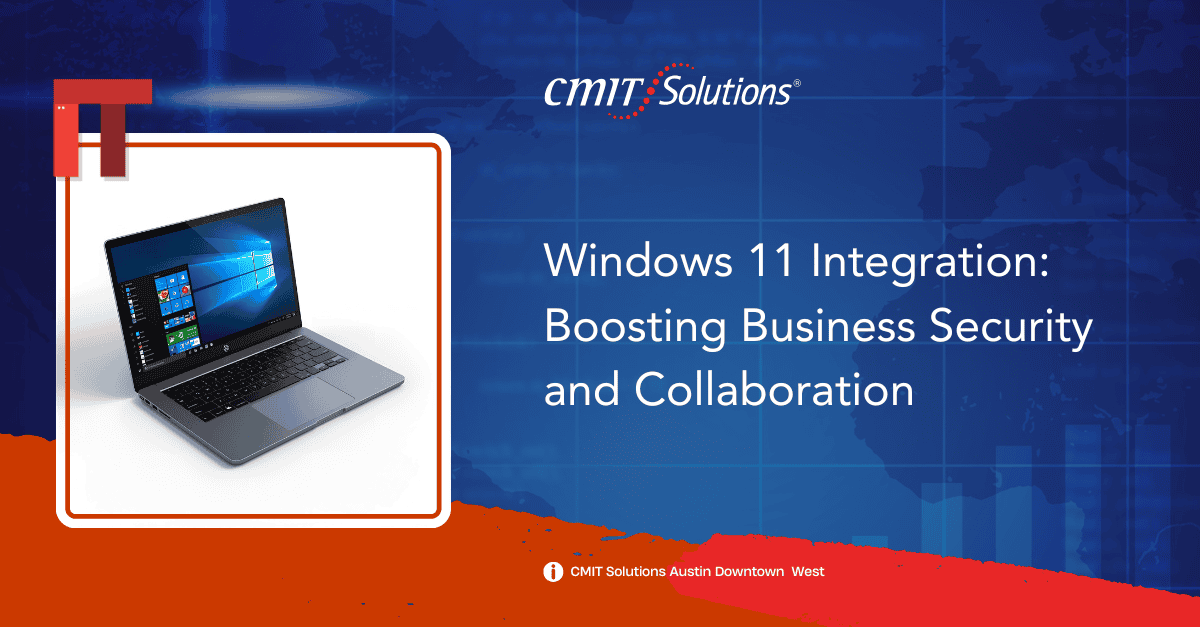
Windows 11 has quickly become one of the most important upgrades for modern businesses, bringing a new wave of security enhancements, productivity features, collaboration tools, and device management capabilities. For small and midsize businesses (SMBs) navigating hybrid work, cloud transformation, and constantly evolving cyberthreats, Windows 11 is more than an operating system upgrade it is a strategic investment in resilience, efficiency, and long-term growth.
As organizations across every sector modernize their digital environments, Windows 11 is reshaping how teams collaborate, how leaders secure their assets, and how companies protect their workflows from emerging threats.
This blog explores how Windows 11 integration strengthens business security and elevates collaboration, and why SMBs should not delay the transition.
A Modern Operating System Built for Today’s Threat Landscape
Cybersecurity threats are more advanced than ever. Attackers now leverage automation, AI-powered malware, credential theft, and targeted phishing to infiltrate businesses and outdated operating systems are their easiest entry point.
Windows 11 was designed in response to these risks, offering a more secure architecture that protects both local endpoints and cloud-connected environments.
Core security foundations include:
- Trusted Platform Module (TPM) 2.0 for hardware-based protection
- Secure Boot to prevent unauthorized software from loading
- Virtualization-based security (VBS) to isolate sensitive processes
- Windows Hello for passwordless authentication
- Built-in ransomware protection
- Enhanced memory integrity features
These security measures ensure that devices are protected from the moment they start up. For SMBs often the primary targets of cybercriminals this built-in defense dramatically reduces risk.
The Importance of Hardware-Level Security
Unlike older versions of Windows, Windows 11 requires modern hardware standards that significantly increase resistance to cyberattacks. By enforcing these requirements, Microsoft ensures that every device running Windows 11 has:
- stronger encryption capabilities
- protection against boot-level attacks
- improved credential security
- resistance to malware that targets the firmware layer
This hardware-first design means attackers must bypass multiple protected layers before they can compromise a device.
For SMBs, this structured design creates a more secure baseline something impossible to achieve on outdated operating systems like Windows 7 or Windows 10 without costly, third-party tools.
Seamless Integration With Cloud Security Tools
Windows 11 integrates directly with Microsoft cloud services such as Microsoft 365, OneDrive, Azure Active Directory, and Intune. This is essential for SMBs that are adopting hybrid work, cloud apps, and mobile device usage.
Benefits of cloud-aligned security include:
- centralized identity management
- automated access control
- synchronized device policies
- remote configuration and wiping
- unified login security
- cloud-based threat monitoring
Combined with Microsoft Defender for Endpoint, Windows 11 provides security visibility across every device no matter where employees work.

Improved Collaboration Tools for the Hybrid Workforce
Modern businesses depend on seamless communication and real-time collaboration. Windows 11 enhances teamwork with built-in tools designed for flexibility, remote access, and cloud integration.
Enhanced collaboration features include:
- Microsoft Teams integration built directly into the taskbar
- Snap Layouts and Snap Groups to organize apps during meetings
- Cloud syncing for files across desktops and mobile devices
- Modern File Explorer optimized for shared cloud folders
- Touch and pen input support for creative, technical, and field-based roles
These features allow teams to work more efficiently whether they’re in the office, at home, or on the move.
Better Productivity Through Intelligent Interface Design
Windows 11 introduces a simplified design focused on productivity and user comfort. SMBs benefit from a system that reduces user frustration and improves workflow efficiency.
Key improvements include:
- a centered Start Menu for intuitive navigation
- streamlined settings menus
- improved multitasking
- faster boot times and reduced system noise
- AI-powered suggested actions
- dynamic widgets tailored to business needs
These enhancements reduce training time for new employees and provide teams with a more enjoyable, efficient computing experience.
Advanced Device Management for IT Teams
Windows 11 integration allows IT administrators to control, secure, and monitor devices more effectively. This makes it especially valuable for SMBs working with limited IT resources.
Device management advantages include:
- centralized updates
- remote provisioning
- automated compliance enforcement
- real-time device status monitoring
- cloud-managed security policies
- remote troubleshooting
These features reduce downtime, simplify IT workloads, and help businesses maintain a secure environment without stretching their budgets.

Compatibility With Modern Business Applications
Windows 11 supports a wide ecosystem of business applications, SaaS platforms, and cloud-native tools. Whether SMBs rely on CRM systems, industry-specific applications, or real-time analytics tools, Windows 11 ensures compatibility and enhanced performance.
Support for technologies such as:
- DirectStorage
- updated APIs
- improved GPU acceleration
- enhanced virtualization
- allows businesses to run demanding apps more efficiently while improving user experience.
Strengthening Remote and Hybrid Work Security
As more employees work outside the traditional office, SMBs must secure employees’ devices no matter where they connect. Windows 11 enhances hybrid security through:
- Zero Trust alignment
- strong identity verification
- encrypted connections
- remote device wipe options
- multi-factor authentication
- conditional access policies
These protections help ensure that remote workers do not become the weakest link in the security chain.
Built-In Ransomware Defense Capabilities
Ransomware continues to be the most disruptive threat for SMBs, and Windows 11 directly addresses this risk.
Key protections include:
- Controlled Folder Access to block unauthorized apps
- OneDrive file versioning for encrypted file recovery
- endpoint isolation to stop lateral movement
- cloud-based threat intelligence to detect attacks early
For SMBs that cannot afford extended downtime, these protective layers can prevent serious financial and operational damage.
Why SMBs Should Not Delay Windows 11 Adoption
Businesses that postpone upgrading run significant risks:
- unsupported operating systems
- increased vulnerabilities
- compatibility issues
- lack of security patches
- performance degradation
Waiting too long means accumulating technical debt and creating opportunities for attackers.
Early adoption gives SMBs immediate access to:
- stronger protection
- faster performance
- enhanced collaboration tools
- improved IT management
- long-term support
Windows 11 is not just an upgrade it’s an essential step in future-proofing your business infrastructure.
Conclusion: Windows 11 is the New Standard for Secure, Connected Business
Windows 11 is built for a world where cybersecurity threats evolve daily and remote collaboration is part of everyday business. For SMBs, integrating Windows 11 means stronger protection, improved productivity, and more seamless teamwork. It delivers enterprise-level security without requiring enterprise-level budgets making it the smartest upgrade for forward-thinking businesses.
By adopting Windows 11 now, SMBs can reduce risks, streamline operations, and create a more secure foundation for long-term digital transformation.