Phishing is no longer a simple nuisance, it’s a full-scale criminal enterprise. Modern attackers leverage automation, artificial intelligence, and global networks to turn every unsuspecting click into money. For small and mid-sized businesses (SMBs), understanding how cybercriminals monetize phishing is critical to protecting finances, data, and brand reputation.
1. Phishing as a Business Model
Cybercrime is no longer a shadowy hobby it’s a multi-billion-dollar industry. Phishing sits at the heart of this economy because it’s cheap to launch and easy to scale.
- Low entry cost: Ready-made phishing kits can be purchased on dark web marketplaces for just a few dollars.
- High return potential: A single stolen credential can grant access to entire networks.
- Automated operations: Attackers use bots and AI to send millions of emails at once.
With powerful tools like agentic AI lowering the skill barrier, even inexperienced criminals can run sophisticated phishing campaigns.
2. How a Single Click Becomes Cash
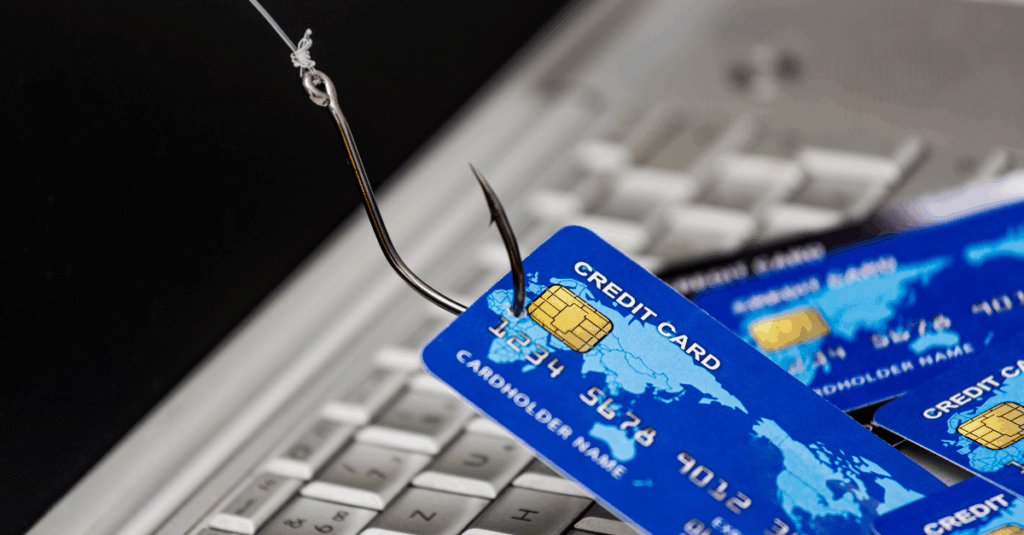
Cybercriminals have streamlined the process of turning stolen data into profit. A successful phishing attack can lead to:
- Direct financial theft: Access to online banking or payment systems allows immediate fund transfers.
- Credential resale: Usernames and passwords are sold on underground markets.
- Ransomware deployment: Attackers encrypt company data and demand payment for decryption keys.
- Business email compromise (BEC): Fraudulent invoices or wire transfer requests steal large sums.
Phishing is often the first step in broader attacks that exploit next-gen network vulnerabilities, enabling criminals to multiply their earnings.
3. The Hidden Costs for Businesses
The damage from phishing goes beyond the initial breach. Companies face a ripple effect of financial and operational consequences:
- Regulatory fines for failing to protect customer data.
- Downtime that halts operations and drains revenue.
- Reputational damage that drives customers to competitors.
- Long recovery periods if proper data backup strategies aren’t in place.
Even small incidents can become major crises when businesses lack proactive cybersecurity measures.
4. Scaling Attacks with AI and Automation
Automation allows cybercriminals to operate like legitimate businesses. They track open rates, test messaging, and tweak campaigns for better results.
- AI-generated emails mimic real company communications.
- Botnets send millions of phishing messages daily.
- Fake login portals harvest credentials in real time.
Modern attackers even use AI embedded in business stacks to create hyper-personalized phishing messages that bypass traditional spam filters.
5. Hybrid Work and Cloud Risks
Remote and hybrid work environments have expanded the attack surface. Employees now access critical systems from multiple devices and locations.
- Unsecured home networks create weak entry points.
- Multiple collaboration tools mean more credentials to exploit.
- Shadow IT introduces unauthorized apps that lack proper security.
Organizations without a scalable cloud strategy often struggle to protect distributed teams against these evolving threats.
6. Zero Trust: A Critical Defense
Traditional perimeter security is no match for phishing’s social engineering tactics. A zero trust approach “never trust, always verify” helps limit the damage when credentials are stolen.
- Continuous authentication verifies every user and device.
- Least-privilege access ensures employees only reach what they truly need.
- Micro-segmentation stops lateral movement inside the network.
Businesses implementing zero trust security can contain breaches before they spiral out of control.
7. Compliance and Governance Challenges
Phishing attacks often trigger compliance violations, particularly in industries handling financial or personal data.
- Data privacy regulations (like HIPAA or GDPR) demand strict reporting timelines.
- Audit requirements mean businesses must prove they took reasonable security measures.
- Failure to comply can result in heavy penalties.
Automating compliance tasks through IT governance solutions helps reduce human error and speed up responses when phishing incidents occur.
8. Proactive IT Support: Staying Ahead of Threats
Waiting for a phishing attack before taking action is a recipe for disaster. Instead, proactive IT services continuously monitor, patch, and respond to suspicious activity.
- 24/7 network monitoring detects abnormal traffic patterns.
- Regular updates close known security gaps.
- Incident response planning ensures fast containment.
Partnering with providers that deliver proactive IT support helps businesses stay one step ahead of cybercriminals.
9. Building a Human Firewall
Technology alone cannot stop phishing. Human behavior remains the most exploited vulnerability.
- Regular training teaches employees how to spot fake emails.
- Simulated phishing exercises reinforce learning through real-world scenarios.
- Clear reporting channels encourage staff to share suspicious messages.
Organizations that pair training with expert IT consulting can create a culture where employees become active defenders rather than accidental risks.
10. Preparing for Emerging Threats
Cybercriminals constantly evolve their tactics, experimenting with deepfakes, voice phishing, and new malware strains.
- AI-driven deepfake scams impersonate executives.
- 6G connectivity will introduce faster, more complex attack vectors.
- Serverless architectures create new configuration risks.
Forward-thinking companies invest in future-proof IT infrastructure to ensure resilience as technologies and threats advance.
11. Action Plan: Reducing the Cost of Clicks
To keep phishing from draining revenue, SMBs should implement a layered defense strategy:
- Adopt zero trust to limit lateral movement after a breach.
- Automate compliance to meet regulatory requirements quickly.
- Back up critical data with reliable, redundant systems.
- Train employees regularly to recognize and report suspicious messages.
- Invest in proactive IT services to detect and neutralize threats early.
Businesses that combine these steps with smarter tech buying practices can secure their operations without overspending.
Conclusion: Turning Awareness Into Action
The true cost of phishing isn’t just stolen credentials or lost money it’s the long-term damage to trust, compliance, and business continuity. Cybercriminals will continue to monetize phishing as long as organizations remain unprepared.
By integrating zero trust principles, proactive IT support, and employee awareness into a single strategy, SMBs can turn their greatest vulnerability into their strongest defense.
In a digital world where one careless click funds entire criminal enterprises, education, preparation, and technology alignment are non-negotiable.