Looking ahead to 2026, cybersecurity experts are not just reacting to current threats; they are actively preparing for a new generation of challenges. Understanding these future trends is crucial for any organization that wants to protect its data, operations, and reputation. This post explores the key cybersecurity trends on the horizon and how experts suggest preparing for them.
AI-Driven Threats and Defenses
Artificial intelligence is a double-edged sword in cybersecurity. While security teams use AI to detect anomalies and predict threats, bad actors are also weaponizing it. By 2026, we can expect AI-driven attacks to become more sophisticated, personalized, and difficult to detect.
The Rise of Adversarial AI
Cybercriminals will leverage AI to create highly convincing phishing emails, deepfake videos for social engineering, and malware that can adapt to a network’s defenses in real-time. These “adversarial AI” attacks are designed to learn from and bypass traditional security measures, making them particularly dangerous. Imagine an AI that can analyze your company’s internal communications to craft a spear-phishing email that is indistinguishable from a legitimate request from your CEO.
How to Prepare:
- Invest in AI-Powered Defense: Fight fire with fire. Implement security solutions that use machine learning to identify and respond to threats faster than human teams can.
- Enhance Employee Training: Educate your team about the potential for AI-generated deepfakes and sophisticated phishing attempts. Regular training can build a resilient human firewall.
- Adopt Behavioral Analytics: Focus on tools that monitor user and system behavior to detect deviations from the norm, which can indicate an AI-driven attack that has slipped past initial defenses.
The Quantum Computing Challenge
Quantum computing promises to solve complex problems that are currently impossible for classical computers. However, this power also poses a significant threat to modern cryptography, the foundation of secure communication and data protection.
“Q-Day” is Coming
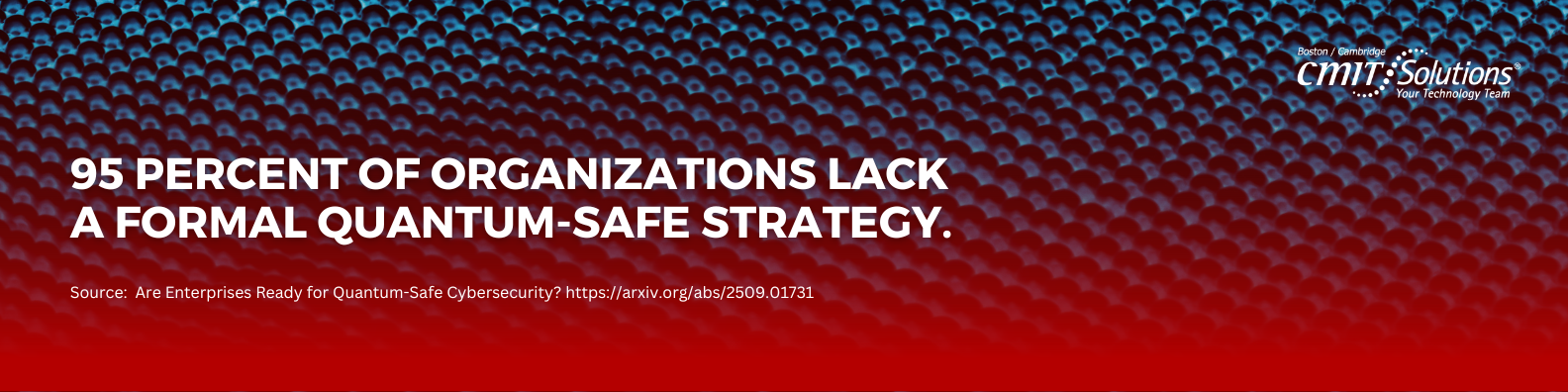
Experts predict a “Q-Day”—the day a quantum computer becomes powerful enough to break current encryption standards like RSA and ECC. While the exact timing is debated, many believe we must prepare for this reality by 2026. Once current encryption is broken, everything from financial transactions to government secrets will be vulnerable. Many enterprises are unprepared for quantum-safe cybersecurity, falling behind technological advancements and threat developments.
How to Prepare:
- Audit Your Cryptography: Begin by creating an inventory of all encryption used within your organization. Understand where your most critical data is and how it is protected.
- Explore Post-Quantum Cryptography (PQC): Start investigating and testing PQC algorithms. These are new cryptographic methods designed to be secure against both classical and quantum computers.
- Develop a Crypto-Agility Plan: Your systems should be flexible enough to transition to new cryptographic standards quickly. Crypto-agility means you can swap out vulnerable algorithms for new ones without a complete system overhaul.
The Mandate for Zero-Trust Architecture
The old model of a secure network perimeter—a castle with a moat—is obsolete. With remote work, cloud services, and interconnected devices, there is no longer a clear “inside” and “outside.” This reality has made Zero-Trust Architecture (ZTA) less of a buzzword and more of a business necessity.
Never Trust, Always Verify
A zero-trust model operates on the principle of “never trust, always verify.” It assumes that threats can exist both inside and outside the network. Every request for access to resources is authenticated, authorized, and encrypted before being granted. This approach limits a potential attacker’s ability to move laterally within a network if they manage to breach one part of it.
How to Prepare:
- Implement Multi-Factor Authentication (MFA): MFA is a foundational element of zero trust. Ensure it is enabled for all users, especially those with privileged access.
- Embrace Micro-segmentation: Break your network into smaller, isolated zones. This contains breaches to a small area, preventing them from spreading across the entire infrastructure.
- Prioritize Identity and Access Management (IAM): A robust IAM solution is critical for enforcing the principle of least privilege, ensuring users only have access to the resources they absolutely need to perform their jobs.
Securing the Digital Supply Chain
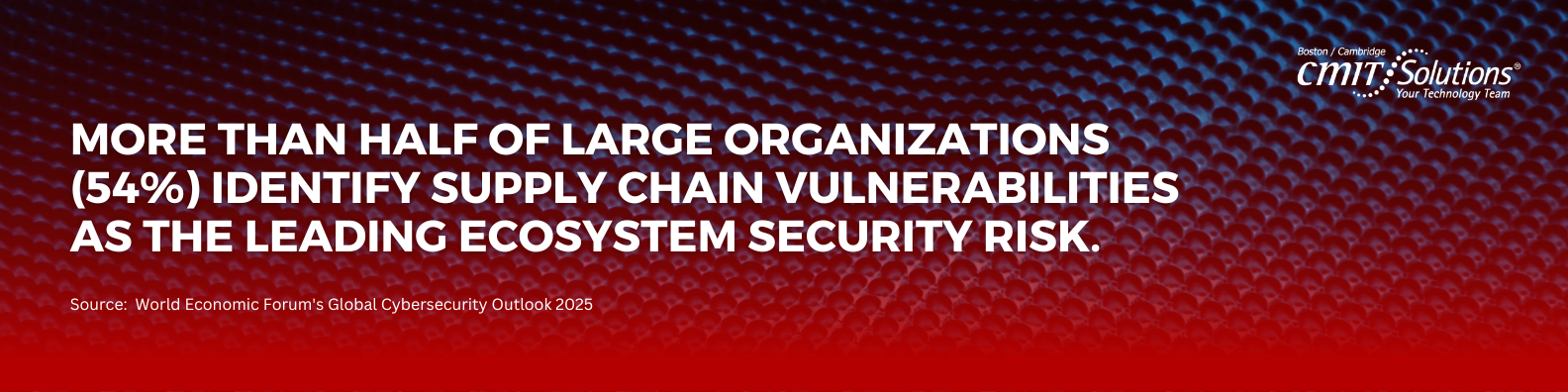
Your organization is only as secure as its weakest link. In an interconnected business ecosystem, that weak link is often found within your digital supply chain. Attacks on software vendors, service providers, and other third-party partners have become a primary vector for widespread breaches. According to the World Economic Forum’s Global Cybersecurity Outlook 2025, supply chain vulnerabilities are identified as the top ecosystem cyber risk, with 54% of large organizations citing them as the primary barrier to achieving cyber resilience.
The Ripple Effect of a Single Breach
By 2026, regulators and customers will demand greater transparency and accountability for supply chain security. A breach in one of your vendors can halt your operations, expose your data, and damage your brand. Attackers know this and are increasingly targeting smaller, less secure partners to gain a foothold into larger, more valuable targets.
How to Prepare:
- Conduct Rigorous Vendor Risk Assessments: Before onboarding any new vendor, perform a thorough security evaluation. This should not be a one-time check but an ongoing process of monitoring and reassessment.
- Demand a Software Bill of Materials (SBOM): An SBOM is an inventory of all the components that make up a piece of software. It provides transparency and allows you to quickly identify if your systems are affected by a newly discovered vulnerability in an open-source library.
- Incorporate Security into Contracts: Make cybersecurity requirements a legally binding part of your contracts with suppliers. This should include clauses for immediate breach notification and cooperation during incident response.
Build a Forward-Looking Security Strategy
The cybersecurity landscape of 2026 will be defined by more intelligent threats and the need for more dynamic, proactive defenses. The trends of AI-driven attacks, quantum computing, zero-trust architecture, and supply chain security are not independent challenges; they are interconnected facets of our digital future.
To prepare, business leaders and IT professionals must move beyond a reactive security posture. The time is now to invest in advanced defensive technologies, adopt modern security frameworks like zero trust, and build resilience throughout your entire business ecosystem. By anticipating these shifts and taking decisive action, you can build an organization that is ready to face the threats of tomorrow.
Written by: Chris Zambuto | Chief Information Security Officer @CMITBostonCambridge