
For many small and midsized businesses, IT has traditionally been viewed as a support function, something to call when systems fail or employees cannot log in. But as technology becomes deeply embedded in every aspect of business operations, this reactive mindset is no longer sustainable. Growing SMBs now depend on technology not just to function, but to compete, scale, and protect their future.
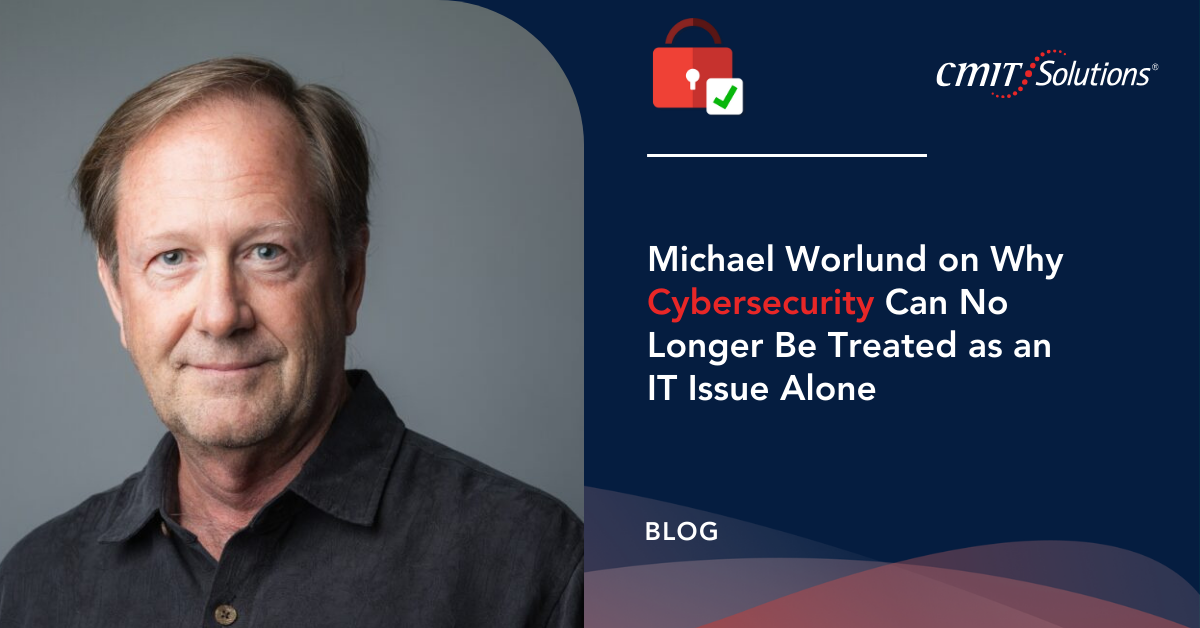
Michael Worlund, President of CMIT Solutions of Brandon and Lakeland, has spent years working with SMB leaders navigating growth, complexity, and increasing risk. His perspective is clear: proactive IT leadership is no longer optional; it is a business necessity. Organizations that continue to treat IT as an afterthought often find themselves facing downtime, security incidents, and stalled growth at the worst possible moments.
Below, Michael Worlund shares key insights into why proactive IT leadership has become essential for growing SMBs and how it directly impacts stability, security, and long-term success.
IT Is No Longer Separate from Business Strategy
As businesses grow, technology becomes inseparable from operations, customer experience, and decision-making. Systems support everything from communication and data management to billing and service delivery. According to Michael Worlund, treating IT as a standalone function creates disconnects that limit growth.
Proactive IT leadership aligns technology decisions with business objectives, ensuring systems actively support where the organization is headed, not just where it has been.
This alignment matters because growing SMBs rely on IT to:
- Support revenue-generating activities
- Enable efficient workflows across teams
- Scale operations without disruption
- Reinforce long-term business goals
Reactive IT Keeps Businesses in Constant Catch-Up Mode
Michael often sees SMBs stuck in a cycle of reacting to problems instead of preventing them. When IT leadership is reactive, businesses spend more time fixing issues than improving systems.
Proactive IT leadership shifts the focus from firefighting to foresight — anticipating needs
identifying risks early, and addressing weaknesses before they become costly disruptions.
This shift changes how businesses experience IT by:
- Reducing unexpected outages
- Minimizing emergency repairs
- Creating predictable system performance
- Allowing teams to focus on growth
Growth Increases Risk Faster Than Many SMBs Expect
As companies expand, they add users, devices, applications, and data. Each addition increases complexity and risk. Michael Worlund emphasizes that unmanaged growth is one of the biggest drivers of instability and security gaps.
Proactive IT leadership ensures that growth is supported by scalable, secure infrastructure rather than patched together systems using Cloud Confidence strategies.
This approach helps SMBs manage growth-related risks such as:
- Overloaded or outdated systems
- Inconsistent security practices
- Poorly integrated applications
- Increased exposure to cyber threats

Cybersecurity Requires Leadership, Not Just Tools
Many SMBs invest in security tools but lack strategic oversight. Michael notes that cybersecurity failures often stem from poor planning rather than missing software.
Proactive IT leadership embeds security into decision-making, policies, and daily operations, making protection part of how the business functions, not just an add-on with Smart Protection.
Effective IT leadership strengthens cybersecurity by:
- Integrating security into all systems
- Anticipating threats as environments evolve
- Ensuring consistent access controls
- Reducing reliance on reactive fixes
Downtime Becomes More Costly as Businesses Scale
In early stages, downtime may affect a few employees. As SMBs grow, downtime impacts entire departments, customers, and revenue streams. Michael Worlund frequently sees businesses underestimate how quickly these costs escalate.
Proactive IT leadership focuses on reliability and resilience, ensuring systems remain available as operational demands increase through Always-On Support.
Reducing downtime supports business stability by:
- Keeping employees productive
- Protecting customer experience
- Preventing cascading operational delays
- Maintaining predictable revenue flow
Strategic Planning Prevents Technology Bottlenecks
Growing SMBs often encounter bottlenecks when systems cannot keep up with demand. Without planning, technology becomes a limiting factor rather than a growth enabler.
Michael emphasizes that proactive IT leadership involves roadmap development — planning upgrades
, capacity, and integrations before problems arise.
Strategic planning helps businesses avoid bottlenecks by:
- Anticipating future capacity needs
- Aligning infrastructure with growth plans
- Preventing rushed or expensive upgrades
- Supporting smoother expansion
Employees Perform Better with Stable, Well-Planned IT
Employee productivity is directly tied to technology reliability. Frequent issues frustrate teams and slow work. Michael Worlund believes proactive IT leadership improves not only systems, but also workplace morale.
When IT is stable and intuitive, employees spend more time doing meaningful work instead of troubleshooting.
Strong IT leadership improves employee experience by:
- Reducing daily technical interruptions
- Providing consistent tools across teams
- Supporting collaboration and communication with Unified Communications
- Enabling focus and efficiency
Data Management Becomes a Leadership Issue as SMBs Grow
As businesses scale, data volumes increase rapidly. Without clear strategy, data becomes disorganized, insecure, or inaccessible. Michael notes that poor data management is a hidden risk for many growing SMBs.
Proactive IT leadership establishes structure around data storage, access, and protection — ensuring data supports decision-making instead of creating confusion with Data Backup discipline.
Effective data leadership helps SMBs:
- Maintain data integrity and availability
- Support reporting and insights
- Protect sensitive business information
- Manage long-term data growth responsibly

Proactive IT Leadership Improves Financial Predictability
Reactive IT often leads to surprise costs emergency repairs, rushed upgrades, or recovery efforts after failures. Michael Worlund stresses that proactive leadership brings predictability to IT spending.
Strategic planning allows businesses to budget accurately and avoid costly surprises.
Financial predictability improves when IT leadership:
- Identifies issues before they escalate
- Plans upgrades over time
- Reduces emergency spending
- Aligns IT costs with business growth
Proactive IT Leadership Requires the Right Partner
Many SMBs lack the internal resources to provide proactive IT leadership on their own. Michael believes that partnering with a managed IT provider bridges this gap, bringing expertise, structure, and accountability.
At CMIT Solutions of Brandon and Lakeland, proactive IT leadership is delivered as a service helping SMBs plan, protect, and grow with confidence through IT Guidance.
The right IT partnership provides SMBs with:
- Strategic guidance aligned with business goals
- Continuous system oversight
- Proactive risk identification
- Long-term technology planning
Conclusion: Proactive IT Leadership Is Essential for Sustainable Growth
Michael Worlund’s message to growing SMBs is clear: technology leadership can no longer be reactive. As businesses scale, IT decisions shape productivity, security, customer experience, and financial stability.
Proactive IT leadership transforms technology from a support function into a strategic asset one that enables growth instead of limiting it. By planning ahead, aligning IT with business objectives, and partnering with experts like CMIT Solutions of Brandon and Lakeland, SMBs can navigate growth with confidence and resilience.
If your business is ready to take a more strategic approach to IT leadership, now is the time to act. Contact CMIT Solutions of Brandon and Lakeland to schedule a consultation and learn how proactive IT leadership and long-term planning can help your organization scale securely, efficiently, and sustainably.