Every day, millions of phishing emails land in inboxes around the world. Some are easy to spot — poorly written messages with suspicious links. But today’s phishing attacks are far more convincing, disguised as legitimate messages from trusted companies like Microsoft 365, banks, shipping carriers, or even your own boss.
What Is Phishing?
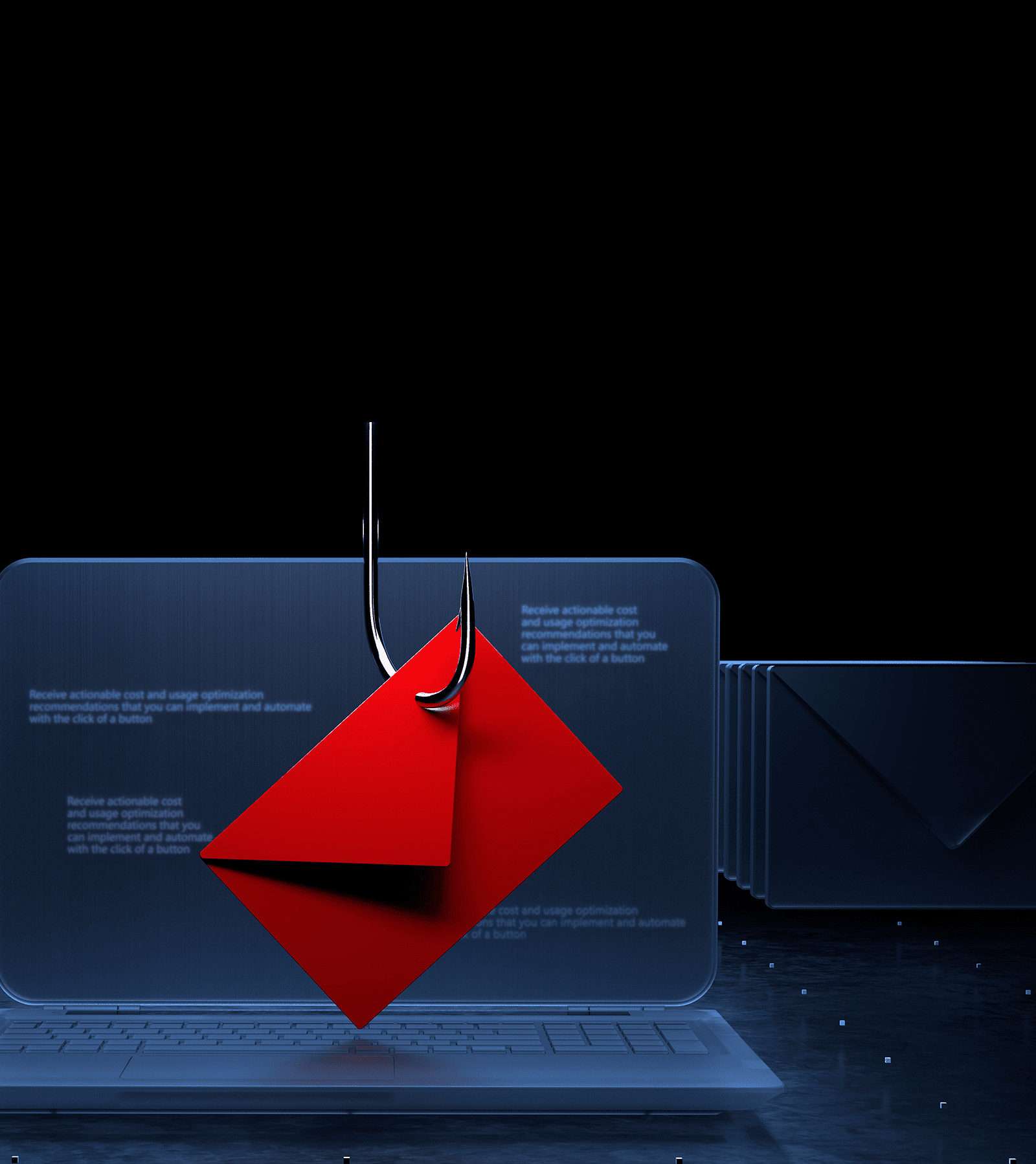
Phishing is a type of cyberattack where hackers impersonate a trusted source to trick victims into clicking a link, opening an attachment, or sharing sensitive information. Once that happens, attackers can steal login credentials, financial data, or gain access to your business systems.
Why Phishing Works
Phishing is successful because it preys on human behavior. Emails often create urgency — “Reset your password now” or “Your account will be locked.” In the rush to respond, employees may click without thinking. According to Verizon’s 2025 Data Breach Investigations Report, 94% of malware is delivered via email. That means phishing remains the number one entry point for cybercriminals.
Real-World Risks for Small Businesses
- Stolen Credentials: A single compromised login can give hackers access to email, financial systems, or client data.
- Ransomware: Clicking a malicious link may trigger ransomware, locking you out of your systems until a ransom is paid.
- Data Loss: Confidential client or employee data could be stolen, damaging your reputation.
- Compliance Penalties: Industries like healthcare, legal, and finance may face fines for data exposure.
Top Signs of a Phishing Email
- Unfamiliar or slightly altered sender addresses
- Urgent or threatening subject lines
- Spelling or formatting errors
- Suspicious attachments or links
- Requests for personal information or credentials
How to Protect Your Business
Phishing attacks can be stopped with the right combination of tools and training:
- Employee Awareness: Train staff to recognize suspicious emails and avoid clicking unexpected links.
- Multi-Factor Authentication (MFA): Even if credentials are stolen, MFA adds an extra layer of protection.
- Email Filtering: Advanced filtering tools can block many phishing attempts before they hit inboxes.
- Backups: Secure, automated backups ensure you can recover if ransomware strikes.
- Managed IT Support: Partner with a cybersecurity team that monitors threats 24/7 and keeps your defenses up to date.
Don’t Take the Bait
Phishing is one of the oldest tricks in the hacker playbook — and it’s still one of the most effective. But with training, technology, and the right IT partner, your business doesn’t have to be the next victim.
At CMIT Solutions Brandon–Lakeland, we help local businesses stay ahead of phishing threats and other cyberattacks — delivering full-service IT with true peace of mind.
Email: mworlund@cmitsolutions.com
Phone: (656) 220-2180
Request a Free Consultation →