
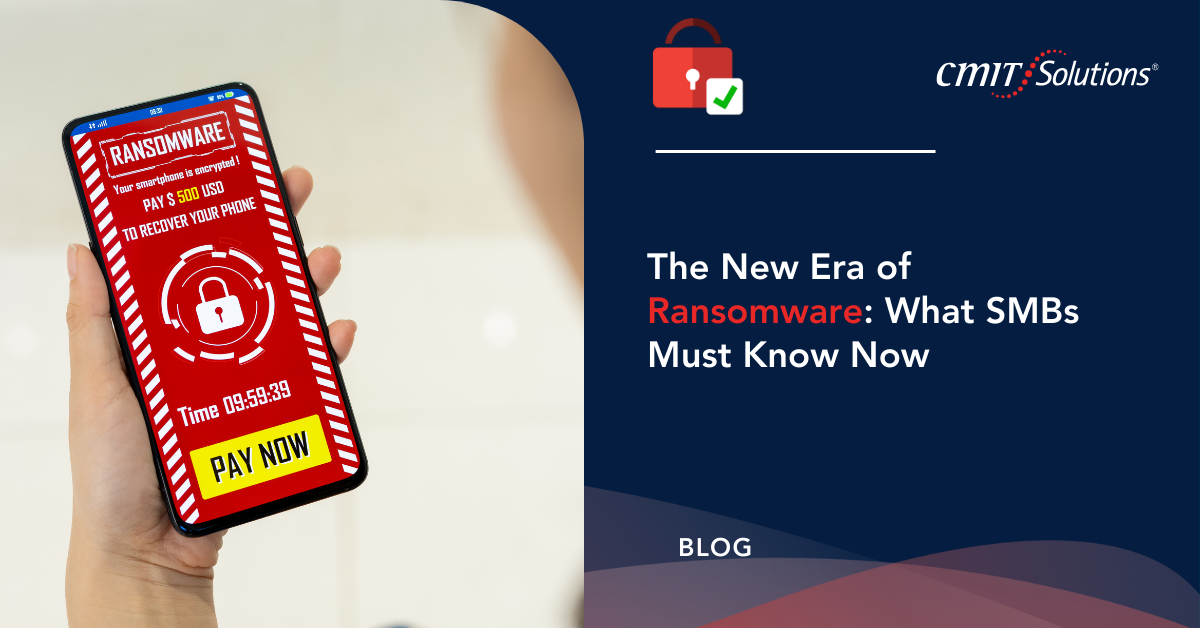
Ransomware has entered a new and far more dangerous phase. What was once an opportunistic attack carried out by unsophisticated criminals has evolved into a highly organized, data-driven business model targeting small and midsized businesses (SMBs) with precision. Today’s ransomware attacks are faster, stealthier, and far more destructive, often designed to cripple operations, expose sensitive data, and pressure organizations into paying quickly.
For SMBs, the stakes have never been higher. Ransomware is no longer just an IT issue, it is a direct threat to revenue, reputation, compliance, and long-term survival. Understanding how ransomware has changed and what businesses must do now is critical to staying protected.
Ransomware Is No Longer Random It Is Targeted
Modern ransomware attacks are rarely random. Attackers now conduct reconnaissance, identify high-value targets, and exploit specific weaknesses within an organization’s systems, employees, and workflows.
This shift reflects the modern threat environment described in cybersecurity redefined, where attackers operate with speed and strategy rather than chance.
- SMBs are targeted because defenses are often weaker
- Attackers study business operations before deploying ransomware
- Attacks are timed to maximize disruption and pressure
- Ransom demands are calculated based on business size and industry
Double and Triple Extortion Are Now Standard Tactics
Today’s ransomware doesn’t just encrypt files it steals data first. Attackers threaten to publish sensitive information, notify customers, or report regulatory violations if payment is not made.
This tactic dramatically increases pressure on SMBs, especially those handling customer, financial, or regulated data.
- Data is exfiltrated before encryption
- Public exposure is used as leverage
- Clients and partners may be contacted directly
- Regulatory consequences are weaponized
Ransomware has become both a technical and reputational crisis.

Email and Credential Theft Remain the Primary Entry Points
Despite advanced technology, most ransomware attacks still begin with simple entry points phishing emails, stolen passwords, or compromised remote access.
This risk grows as businesses adopt more digital tools, similar to the expansion discussed in unlocking productivity, without equal attention to security controls.
- Phishing emails deliver malicious links or files
- Weak or reused passwords are exploited
- Compromised credentials bypass perimeter defenses
- Remote access tools are abused
Human behavior remains a key factor in ransomware success.
Outdated Systems Are Prime Ransomware Targets
Unsupported operating systems, unpatched software, and legacy hardware provide easy entry points for attackers. SMBs delaying upgrades are especially vulnerable.
This mirrors the risks outlined in hidden cyber gaps, where aging infrastructure creates silent exposure.
- Known vulnerabilities are actively exploited
- Older systems lack modern security controls
- Patching gaps increase over time
- Compatibility issues limit protective tools
Ransomware operators prioritize environments with predictable weaknesses.
Ransomware Can Bring Business Operations to a Complete Halt
Unlike many cyber incidents, ransomware directly targets availability. When systems are encrypted, access to files, applications, and communication tools can disappear instantly.
This disruption often impacts:
- Billing and payment systems
- Customer service and operations
- Supply chain and scheduling tools
- Email and internal communication
Downtime costs escalate rapidly, especially for SMBs without tested recovery plans.
Data Backup Is the Difference Between Recovery and Collapse
Reliable, isolated backups are one of the few effective defenses against ransomware. Yet many SMBs discover too late that their backups are incomplete, outdated, or encrypted along with live systems.
This misconception is addressed in your data isn’t safe.
- Backups must be automated and off-site
- Backup systems must be isolated from production
- Recovery processes must be tested regularly
- Backup data must be protected from ransomware
Without proper backups, recovery options become extremely limited.
Network Design Plays a Major Role in Ransomware Spread
Once ransomware enters a network, poor segmentation allows it to spread rapidly across systems. Flat networks enable attackers to encrypt everything at once.
These weaknesses align with the infrastructure issues discussed in network management mistakes.
- Lack of segmentation increases blast radius
- Weak internal access controls enable lateral movement
- Unmonitored traffic hides malicious activity
- Legacy network equipment lacks modern protections
Strong network design limits damage even if an attack occurs.
Compliance and Legal Exposure Are Increasing
Ransomware incidents often trigger regulatory obligations, especially for businesses handling personal, financial, or healthcare data. Failure to protect data or report incidents properly can lead to fines and legal action.
This growing pressure aligns with expectations outlined in compliance without complexity.
- Breach notification laws may apply
- Regulatory audits may follow incidents
- Clients may pursue legal claims
- Cyber insurance requirements are tightening
Ransomware is no longer just a technical incident – it is a compliance event.

Ransomware Response Requires Clear Communication
During a ransomware incident, confusion and misinformation can worsen the impact. Businesses need secure, centralized communication to coordinate response, notify stakeholders, and maintain operations.
This contrasts with the chaos that occurs without the structured approach described in unified communications.
- Incident response requires fast coordination
- Employees need clear instructions
- External communication must be controlled
- Secure channels reduce further exposure
Communication readiness is part of ransomware resilience.
Proactive Monitoring Is Essential in the New Ransomware Era
Modern ransomware often sits dormant before launching, allowing attackers to map systems and disable defenses. Reactive IT models rarely detect these early stages.
This explains why more SMBs are adopting always-on IT support to identify threats before encryption occurs.
- Early detection limits damage
- Suspicious behavior can be stopped
- Access can be contained quickly
- Recovery becomes far less disruptive
Prevention and early response are far more effective than cleanup.
Strategic IT Planning Reduces Ransomware Risk Over Time
Ransomware protection is not a single tool – it is the result of consistent planning, upgrades, training, and policy enforcement. SMBs that plan strategically reduce risk year over year.
This long-term approach reflects the importance of IT guidance.
- Technology upgrades close known gaps
- Security policies evolve with threats
- Training reduces human error
- Infrastructure scales securely
Ransomware resilience is built, not purchased.
Conclusion: Ransomware Has Changed and SMBs Must Adapt
The new era of ransomware is defined by targeted attacks, data theft, and business disruption. SMBs can no longer rely on basic defenses or hope they are too small to be noticed. Attackers are organized, persistent, and focused on organizations that appear unprepared.
SMBs that act now gain:
- Faster detection and response
- Reduced downtime and data loss
- Stronger compliance posture
- Greater customer and partner trust
- Long-term operational resilience
Ransomware is not going away but its impact can be controlled.
Preparation today determines survival tomorrow.