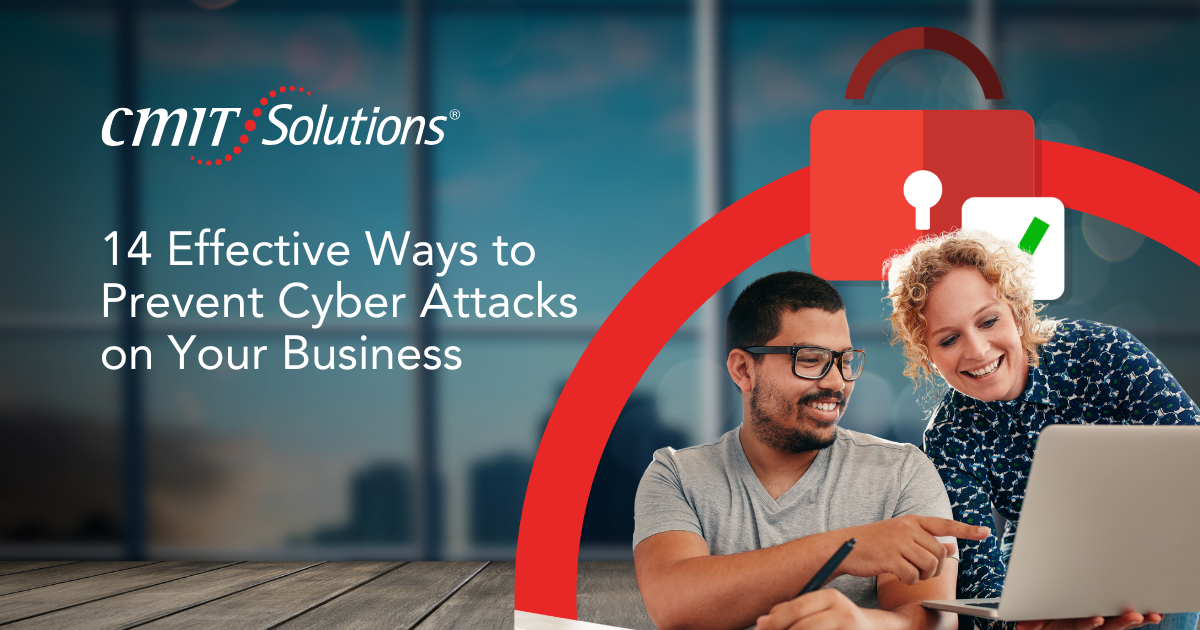
Cyber threats are constantly evolving, making it essential for businesses to adopt proactive cybersecurity strategies to safeguard sensitive data, customer information, and IT infrastructure. A strong cybersecurity plan extends beyond antivirus software—it requires layered security measures, access controls, continuous monitoring, and employee awareness programs. This guide outlines 14 critical strategies to strengthen your business against cyber threats.
1. Partnering with a Trusted Cybersecurity Provider
One of the most effective ways to secure your business is by outsourcing IT support in Charleston to a managed IT provider that specializes in cybersecurity. CMIT Solutions of Charleston offers 24/7 network monitoring, proactive patch management, and advanced threat detection to keep your systems protected.
Partnering with a managed IT service provider in Charleston ensures that your cybersecurity defenses stay updated against evolving threats. Businesses can focus on growth while cybersecurity experts handle risk management and data protection.
2. Enforcing Strong Password Policies
Weak passwords are a leading cause of data breaches. A Charleston IT compliance framework should include enforcing strong, unique passwords with a combination of uppercase and lowercase letters, numbers, and special characters.
Using password managers and requiring regular password updates helps prevent unauthorized access. Businesses should also enable multi-factor authentication (MFA) for an added layer of security.
3. Implementing Multi-Factor Authentication (MFA)
MFA significantly reduces unauthorized access by requiring multiple verification steps. Cybersecurity solutions in Charleston help businesses integrate phishing-resistant MFA, ensuring secure login processes across all business-critical applications.
This extra layer of authentication makes it much harder for attackers to exploit stolen passwords. MFA should be enabled for cloud accounts, email platforms, and any system handling sensitive business data.
4. Keeping Software and Systems Updated
Cybercriminals often exploit outdated software to infiltrate systems. Regular patch management and software updates help Charleston IT support companies close security gaps before attackers can exploit them.
Automated patch management ensures that operating systems, business applications, and security software remain current with the latest threat protections.
5. Deploying Firewalls and Endpoint Protection
Firewalls act as the first line of defense, preventing unauthorized traffic from entering your network. Along with network management in Charleston, businesses should deploy:
- Next-generation firewalls with real-time traffic monitoring.
- Intrusion prevention systems (IPS) to detect and block suspicious activities.
- Endpoint protection on all devices to prevent malware infections.
6. Reducing Privileges and Managing Data Access
Following the least privilege principle ensures that employees only have access to the systems and data necessary for their roles. Businesses using managed IT services in Charleston benefit from:
- Role-Based Access Control (RBAC).
- Zero Trust Security frameworks.
- Time-based administrative accounts.
By managing access permissions effectively, companies can minimize insider threats and limit exposure to critical data.
7. Regularly Reviewing and Updating Access Permissions
Cybersecurity is not a one-time process. Regular access audits are crucial for maintaining security best practices. Charleston managed IT support services help businesses implement:
- Quarterly access reviews.
- Automated permission revocation for ex-employees.
- Continuous monitoring of user account activities.
Regular audits ensure access rights are aligned with business needs and compliance requirements.
8. Encrypting and Backing Up Critical Data
Encrypting sensitive business data ensures that even if hackers steal it, they cannot read or misuse the information. Cloud backup services in Charleston provide encrypted, redundant data storage, protecting businesses from ransomware attacks and accidental deletions.
Automated daily backups combined with offline storage options enhance business continuity strategies.
9. Conducting Employee Training and Phishing Awareness Programs
Phishing remains one of the most common entry points for cyberattacks. Cybersecurity awareness training in Charleston ensures employees can:
- Identify phishing emails and malicious links.
- Report suspicious activities.
- Follow secure browsing and email habits.
Simulated phishing tests measure employees’ ability to recognize and avoid social engineering attacks.
10. Securing Business Wi-Fi Networks
Business Wi-Fi should be configured for maximum security by:
- Using WPA3 encryption.
- Disabling SSID broadcasting.
- Setting up guest networks for customers or visitors.
Managed IT support in Charleston Beach ensures that wireless networks remain secure against cyber threats.
11. Implementing Individual Employee Logins for Every Application
Shared logins create accountability issues and security risks. Businesses should adopt Single Sign-On (SSO) solutions to:
- Streamline employee authentication.
- Improve security while reducing password fatigue.
- Ensure proper access tracking across systems.
12. Enhancing Physical Security to Prevent Unauthorized Access
Beyond digital security, IT security in Charleston includes:
- Restricting physical access to critical IT infrastructure.
- Installing security cameras and badge-based entry systems.
- Implementing policies for secure USB usage and data handling.
13. Conducting Security Audits and Vendor Risk Assessments
Regular cybersecurity audits identify potential vulnerabilities before cybercriminals can exploit them. Businesses using Charleston IT consulting services benefit from:
- Third-party vendor risk assessments.
- Compliance checks for regulatory standards.
- Penetration testing and vulnerability scans.
14. Continuous Cybersecurity Monitoring and Incident Response Testing
Cybersecurity is an ongoing process. Businesses must:
- Implement 24/7 threat monitoring.
- Develop a detailed incident response plan.
- Conduct quarterly security drills to improve preparedness.
Disaster recovery services in Charleston help companies recover quickly from security breaches.
Final Thoughts: Strengthening Your Cybersecurity Defenses
By implementing these 14 cybersecurity best practices, businesses can:
- Enhance data protection.
- Prevent unauthorized access.
- Reduce cybersecurity risks.
For expert cybersecurity guidance, CMIT Solutions of Charleston offers tailored IT security solutions to keep businesses secure, compliant, and resilient against cyber threats.