Introduction: The Expanding Digital Perimeter
When the world embraced remote work, business boundaries shifted dramatically. No longer confined to office walls, data now travels across home networks, mobile devices, and cloud environments. This new flexibility has revolutionized productivity but it has also multiplied vulnerabilities.
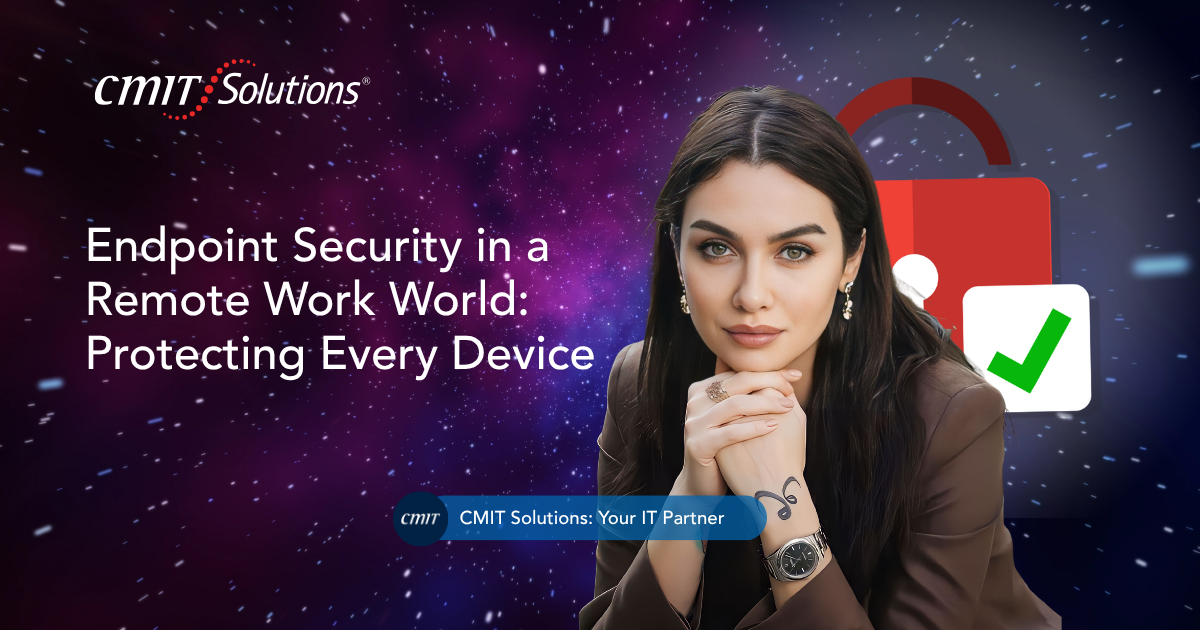
In this evolving landscape, endpoint security has become a cornerstone of modern cybersecurity. For Charleston’s small and mid-sized businesses (SMBs), protecting every laptop, smartphone, and IoT device is no longer optional, it’s essential. By strengthening endpoint defenses, companies can safeguard sensitive data, maintain compliance, and ensure long-term business continuity.
Understanding Endpoint Security
Endpoint security refers to the protection of end-user devices such as desktops, laptops, smartphones, and tablets from cyber threats. These devices act as gateways into an organization’s network. When compromised, they can become the entry point for ransomware, phishing, or data theft.
Unlike traditional perimeter-based security models, endpoint protection focuses on individual devices, ensuring each access point is fortified against potential breaches. Modern endpoint security combines AI-powered security, behavioral analytics, and real-time threat monitoring to defend against increasingly sophisticated attacks.
Why Endpoint Protection Matters in Remote Work
Remote work has blurred the lines between personal and professional devices. Employees often access sensitive company data from unsecured home networks, creating new security challenges.
Without robust endpoint protection, these vulnerabilities can expose businesses to major threats like ransomware or credential theft.
Key Reasons Endpoint Security Is Vital:
- Distributed environments: Home Wi-Fi and public networks increase exposure.
- Device diversity: Laptops, tablets, and mobile devices all need protection.
- Unsecured endpoints: One compromised device can jeopardize the entire network.
- Regulatory compliance: Frameworks like HIPAA and PCI require data protection across all endpoints.
To maintain resilience, companies must adopt proactive monitoring and multi-layered defenses.
The New Threat Landscape: From Office to Everywhere
In the remote work world, threats don’t stop at the office door; they travel wherever your employees do. Attackers exploit weak passwords, outdated software, and unsecured cloud storage to infiltrate systems.
Emerging cybercrime tactics like ransomware-as-a-service (RaaS) and phishing automation make it easier for criminals to target small businesses. This has made ransomware readiness an essential part of every IT security plan.
Common Endpoint Threats:
- Malware and ransomware attacks
- Phishing and credential harvesting
- Unauthorized remote access
- Data exfiltration and shadow IT
- Device loss or theft
A single compromised endpoint can trigger cascading damage across your entire organization.
Building a Multi-Layered Endpoint Security Strategy
A one-size-fits-all approach doesn’t work in modern cybersecurity. Charleston SMBs need a multi-layered endpoint protection strategy that combines technology, policies, and human vigilance.
Key Layers of Protection:
- Antivirus and EDR Tools – Detects and isolates malware instantly.
- Network Firewalls – Restrict unauthorized access.
- Multi-Factor Authentication (MFA) – Secure logins with additional verification.
- Patch Management – Keep devices up to date to prevent exploit attacks.
- Data Encryption – Safeguard files even if devices are stolen.
- 24/7 Monitoring – Identify and contain threats in real time.
Integrating these layers with managed cybersecurity services ensures consistent protection across all devices and networks.
The Role of Cloud-Based Security in Remote Environments
Cloud platforms play a vital role in remote work efficiency but they also introduce new attack surfaces. That’s why businesses must combine endpoint protection with strong cloud-first strategies to protect both stored and transmitted data.
Cloud and Endpoint Integration Benefits:
- Centralized monitoring across devices and locations.
- Real-time threat intelligence sharing.
- Scalable solutions for growing teams.
- Enhanced visibility for compliance audits.
Cloud-based endpoint security ensures no device whether remote or on-premise is left unguarded.
Educating Employees: The Human Firewall
Technology is powerful, but it’s people who often determine security success. Employees unaware of phishing tactics or weak password habits can unknowingly compromise systems.
Regular training helps employees understand their role in cybersecurity. Programs focused on password protection, phishing prevention, and safe browsing habits reduce human error — still the leading cause of breaches.
How to Build a Security-Conscious Culture:
- Conduct quarterly security awareness training.
- Simulate phishing emails to test readiness.
- Reward employees who report suspicious activity.
- Provide quick reference materials for threat response.
When your team becomes part of your defense system, every endpoint becomes stronger.
Compliance and Endpoint Management
Compliance frameworks like HIPAA, PCI DSS, and GDPR mandate strict control over data access, storage, and transmission. Businesses must ensure that all remote endpoints meet these standards.
With cybersecurity compliance tools integrated into endpoint security, businesses can track, audit, and demonstrate adherence to regulatory requirements.
Compliance-Focused Endpoint Practices:
- Logging and auditing of all device activity.
- Role-based access controls.
- Data encryption across mobile and desktop devices.
- Automatic patch deployment to prevent vulnerabilities.
Proving compliance isn’t just a legal safeguard, it’s a competitive advantage.
Managed IT Services: Simplifying Endpoint Security
Managing hundreds of endpoints can overwhelm even skilled internal IT teams. That’s where CMIT Solutions of Charleston steps in with comprehensive Managed IT Services that cover every aspect of endpoint protection.
Through continuous monitoring, proactive maintenance, and advanced threat detection, CMIT helps businesses safeguard data while maintaining operational efficiency.
How Managed IT Enhances Endpoint Security:
- 24/7 remote device management.
- Real-time threat analytics and alerts.
- Proactive monitoring to prevent downtime.
- Compliance audits and documentation.
- Predictable pricing for IT budgeting.
By outsourcing endpoint management, SMBs gain peace of mind and focus more on growth.
The Business Impact of Endpoint Security
Endpoint security isn’t just a technical requirement, it’s a business enabler. Strong device protection enhances customer confidence, ensures uninterrupted operations, and prevents costly data breaches. Investing in comprehensive endpoint protection contributes directly to ROI by minimizing downtime and safeguarding company assets.
Tangible Business Benefits:
- Reduced downtime during incidents.
- Lower recovery costs after breaches.
- Enhanced reputation among clients.
- Improved productivity through secure collaboration tools.
Organizations with predictable IT costs and managed endpoint solutions gain long-term financial stability and confidence.
Future of Endpoint Protection: AI and Zero Trust
The future of endpoint security lies in Zero Trust Architecture assuming no device or user is trustworthy by default. Combining this with AI-driven analytics allows faster identification of anomalies and prevents lateral movement during attacks.
Charleston SMBs adopting AI-driven defense strategies will be better positioned to combat emerging threats like deepfake phishing and credential spoofing.
Emerging Trends in Endpoint Protection:
- AI-based behavioral analytics.
- Zero Trust security frameworks.
- Automated response systems.
- Integrated endpoint and cloud protection.
Staying ahead of these trends ensures your organization remains resilient against future cyber challenges.
Conclusion: Protect Every Device, Protect Your Future
In the age of remote work, every device is a potential entry point and every endpoint must be protected. Endpoint security isn’t just about technology; it’s about trust, continuity, and confidence in a connected world. By combining compliance, managed services, and advanced cybersecurity, Charleston businesses can safeguard their people, data, and reputation.
Partnering with experts like CMIT Solutions of Charleston ensures every device from laptops to smartphones operates securely, efficiently, and confidently in today’s ever-expanding digital landscape. Because in a remote-first world, your endpoint is your front line. Protect it wisely.