Understanding Technical Debt in Modern IT
In today’s fast-paced digital landscape, technical debt is more than just an IT term; it’s a growing challenge that limits innovation, efficiency, and competitiveness. Technical debt occurs when businesses rely on outdated systems or software that were once cutting-edge but can no longer keep up with modern requirements.
For many small and mid-sized businesses (SMBs), legacy systems are deeply ingrained in daily operations. They power accounting, manage logistics, or support customer service workflows. However, as technology evolves, these systems become harder to maintain and integrate. The result? Higher costs, slower processes, and increased cybersecurity risks.
This issue is especially concerning when organizations overlook proactive network management the very backbone of a secure, efficient IT environment.
Understanding and managing technical debt isn’t just a technical decision; it’s a strategic one that impacts productivity, resilience, and long-term growth.
The True Cost of Legacy Systems
Legacy systems can silently drain resources and prevent scalability. They require frequent maintenance, manual updates, and specialized knowledge that fewer technicians possess today. Over time, this creates dependencies that slow digital transformation.
Businesses stuck with outdated software often face:
- Compatibility issues with modern tools
- Limited access to data analytics and automation
- Higher cybersecurity vulnerabilities
- Inability to adopt AI or cloud-native platforms
A recent report from CMIT Solutions highlights that legacy systems are a top cause of downtime, costing companies significant revenue each year. As discussed in The True Cost of Downtime, even a few hours of IT disruption can affect productivity, client trust, and business reputation.
Technical debt compounds over time the longer a business delays modernization, the more expensive and disruptive the transition becomes.
Why Modernization Matters for Business Growth
Modernization isn’t just about upgrading old technology; it’s about future-proofing your business. Companies that replace or integrate legacy systems with cloud-based solutions gain flexibility, scalability, and enhanced performance.
Cloud migration enables access to AI-driven insights, automation, and remote collaboration essential tools in an increasingly hybrid work environment.
For example, cloud ERP systems are transforming how small businesses manage operations by connecting finance, supply chain, and customer management into one ecosystem. These intelligent platforms automate workflows, minimize manual input, and support real-time decision-making.
When modernization is done strategically, businesses see:
- Improved system reliability
- Lower maintenance costs
- Faster innovation cycles
- Stronger security compliance

The Role of Cloud Migration in Reducing Technical Debt
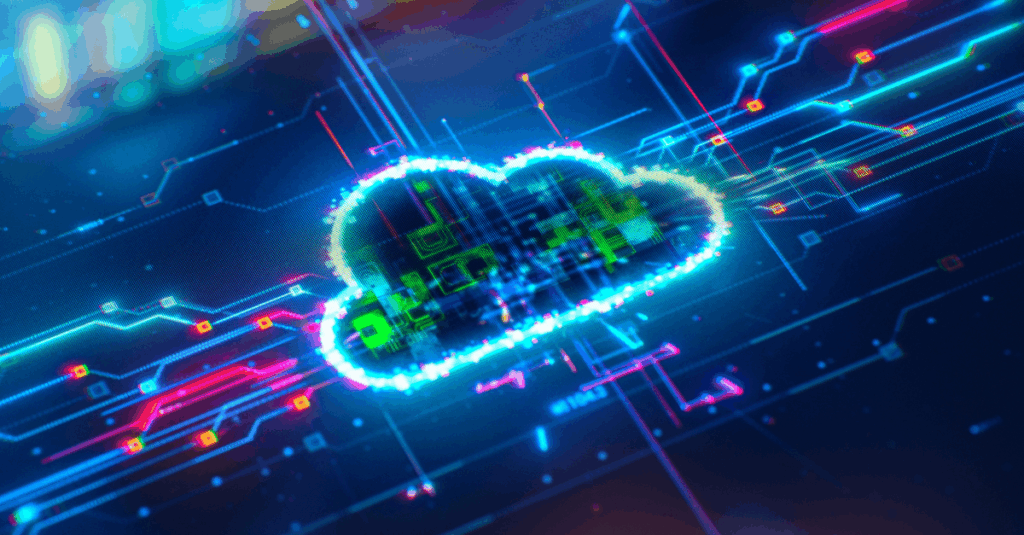
One of the most effective ways to manage technical debt is through cloud migration. Moving from on-premises legacy systems to cloud environments provides scalability, cost efficiency, and better disaster recovery options.
Cloud migration also enables seamless integration with AI and analytics tools, empowering SMBs to make smarter, data-driven decisions.
However, migration must be carefully planned to avoid data loss or downtime. Partnering with experts who understand cloud migration services ensures the transition happens securely and without disruption.
Moreover, hybrid and multi-cloud architectures give businesses control over where and how data is stored a critical factor for compliance and performance optimization.
AI’s Role in Managing and Modernizing Legacy Systems
Artificial intelligence is redefining how organizations tackle technical debt. AI-powered tools can analyze legacy code, predict potential system failures, and even suggest modernization strategies.
By leveraging AI, businesses can automate repetitive IT tasks and reduce the risk of human error. It also allows companies to simulate the impact of updates before implementation, minimizing downtime during transitions.
As seen in CMIT Charleston’s feature on unlocking AI’s full potential, automation doesn’t replace people, it empowers them to focus on innovation instead of firefighting technical problems.
AI also enhances security monitoring, identifying vulnerabilities hidden in outdated frameworks that traditional tools may overlook.
Minimizing Disruption During IT Modernization
One of the greatest fears businesses face during modernization is operational disruption. Downtime, data loss, or workflow interruptions can affect customer satisfaction and productivity.
To ensure a smooth transition, businesses should:
- Conduct a detailed system audit
- Prioritize upgrades based on impact
- Use phased rollouts instead of complete overhauls
- Maintain robust data backups
Working with an MSP that offers strategic IT guidance can help navigate these complex upgrades. Managed IT providers plan each step, ensuring minimal disruption and maximum security.
Additionally, implementing modern disaster recovery plans ensures that even if unexpected issues arise, data and systems can be restored immediately.
How Technical Debt Impacts Cybersecurity
Legacy systems aren’t just inefficient they’re often insecure. Older software lacks the latest patches and configurations required to defend against modern cyber threats. Attackers frequently target outdated frameworks because they’re easier to exploit.
A key lesson from cyber-attack case studies is that even one vulnerable endpoint can compromise an entire network.
Businesses must view modernization not only as a performance upgrade but as a security mandate. Modern cloud and hybrid systems offer built-in encryption, multi-factor authentication, and AI-driven threat monitoring.
These solutions close the security gaps left behind by older technologies, making it harder for attackers to penetrate the system or exfiltrate sensitive data.
Why SMBs Need Managed IT Services
For small and medium-sized businesses, managing technical debt internally can be overwhelming. Limited resources, outdated infrastructure, and lack of technical expertise make modernization difficult to achieve alone.
This is where Managed IT Services come in. Partnering with experts like CMIT Solutions of Charleston helps SMBs monitor, maintain, and modernize systems without disrupting day-to-day operations.
As detailed in The Promising Future of Managed IT Services, an MSP provides:
- 24/7 network monitoring
- Predictable monthly costs
- Access to the latest tools and security frameworks
- Scalable support for growing teams
Managed IT Services transform technical debt from a liability into an opportunity. Businesses gain the freedom to focus on strategy and growth, knowing that experts are proactively managing their IT ecosystem.

The Human Element: Training and Change Management
Modernization isn’t just a technical process — it’s a cultural shift. Employees accustomed to older systems often need training to adapt to new platforms.
Comprehensive change management includes:
- Communicating the “why” behind modernization
- Providing hands-on workshops and support
- Involving teams early in planning to reduce resistance
When employees understand how modernization benefits them faster systems, fewer errors, easier workflows adoption becomes smoother.
Cloud-based and AI-driven tools such as Dynamics 365 solutions exemplify how modern systems simplify daily operations, making digital transformation feel empowering rather than disruptive.
Avoiding Common Pitfalls in System Modernization
Modernization projects fail when businesses rush transitions or neglect key security protocols. Common mistakes include:
- Migrating untested systems
- Skipping backups
- Overlooking compliance requirements
- Ignoring end-user training
Partnering with trusted providers ensures modernization follows structured best practices. CMIT Charleston emphasizes testing, redundancy, and compliance monitoring in all its modernization projects, as shown in how cloud migration strengthens security compliance.
By avoiding shortcuts, companies ensure their modernization journey enhances not disrupts operations.
The Future of Legacy Modernization: AI, Cloud, and Integration
As technology advances, businesses can expect modernization to become even more intelligent and adaptive. Cloud environments will evolve to include AI-driven orchestration, automated compliance tracking, and predictive resource scaling.
These next-gen solutions, powered by generative AI innovation, will help organizations continuously optimize performance without manual intervention.
Hybrid IT ecosystems will allow older systems to coexist with modern infrastructure, reducing disruption and extending ROI. The future of modernization isn’t about replacing everything at once it’s about evolving continuously with smarter technology.
Conclusion: Turning Technical Debt into Strategic Value
Technical debt may seem like a burden, but it’s actually an opportunity — a signal that your organization has room to grow, adapt, and lead.
With the right strategy, businesses can transform outdated systems into agile, intelligent infrastructures that support innovation and scalability.
Partnering with an experienced provider like CMIT Solutions of Charleston ensures modernization happens without disruption, leveraging tools like AI, automation, and cloud architecture for lasting success.
As detailed in strategic IT guidance and smart scaling initiatives, modernization is not a one-time event it’s an ongoing journey of improvement.
By managing technical debt proactively, your business can embrace innovation confidently, secure data integrity, and stay resilient in a rapidly evolving digital landscape.