Introduction: The Evolution Toward Ransomware 3.0
Ransomware has changed dramatically over the last decade. What started as simple file encryption attacks has evolved into a sophisticated, multi-layered operation targeting businesses of all sizes, especially small and midsize organizations with limited IT staffing. The latest phase, known as Ransomware 3.0, represents a new chapter marked by automation, artificial intelligence, data extortion, supply chain infiltration, and strategic targeting designed to maximize financial damage.
Hackers are no longer opportunistic – they are calculating, coordinated, and increasingly difficult to detect. Modern ransomware attacks can bypass traditional defenses, remain hidden for weeks, and exfiltrate sensitive data before striking. Businesses that treat ransomware as a conventional threat remain vulnerable. Understanding the nature of Ransomware 3.0 is the first step toward developing a modern defense strategy.
What Exactly Is Ransomware 3.0?
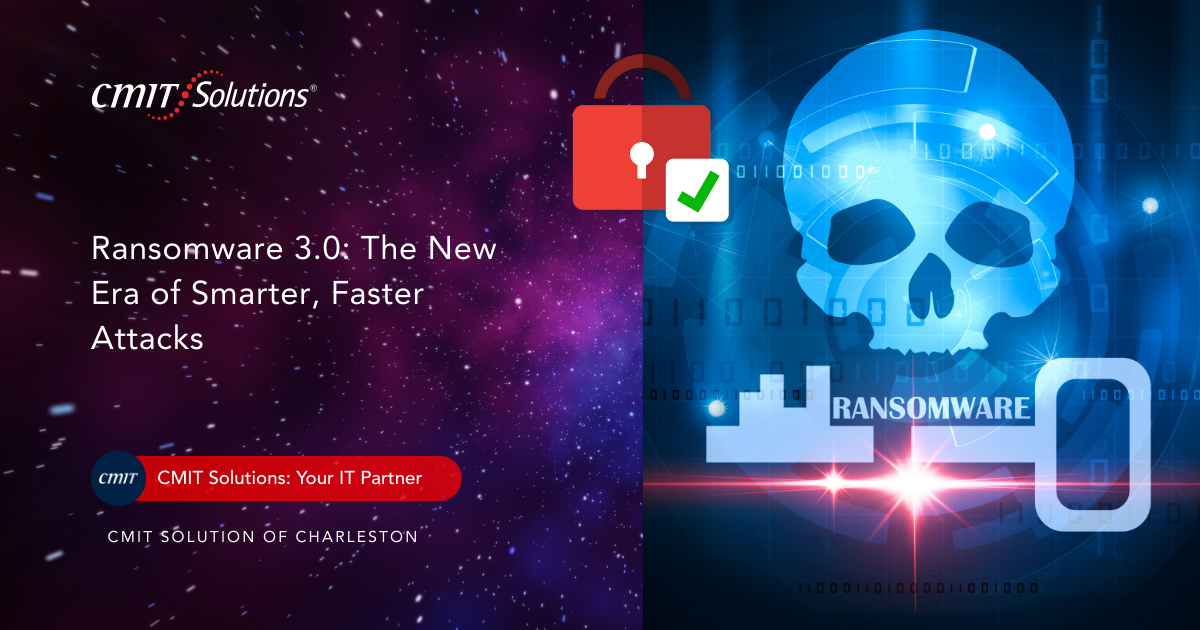
Ransomware 3.0 describes the next-generation attacks that combine automation, data theft, multi-phase execution, and advanced evasion techniques. These attacks use intelligent algorithms to bypass defenses, mimic legitimate traffic, and spread across networks undetected. The new model focuses on both encryption and extortion giving attackers more leverage.
Modern ransomware groups often operate as businesses themselves, offering “Ransomware-as-a-Service” and hiring specialists who handle coding, negotiation, infiltration, and monetization.
Defining Features of Ransomware 3.0
- Automated scanning and infiltration
- AI-driven reconnaissance
- Multi-layer encryption
- Data exfiltration before attack
- Supply chain compromise
- Long-term stealth movement inside networks
Many businesses don’t recognize these patterns until it’s too late highlighting the importance of studying modern threat evolution.
Why Ransomware 3.0 Is More Dangerous Than Earlier Versions
Ransomware 1.0 simply locked files.
Ransomware 2.0 added data theft.
Ransomware 3.0 brings intelligence, automation, and speed.
Why 3.0 Is More Devastating
- Faster infection and encryption speed
- Highly targeted extortion tactics
- Automated attack replication
- Ability to bypass legacy security tools
- Greater financial and reputational damage
The Multi-Phase Structure of Modern Ransomware Campaigns
Ransomware 3.0 no longer strikes in a single moment – it unfolds in stages. Attackers first infiltrate networks quietly, mapping file structures, identifying high-value assets, stealing sensitive data, and disabling recovery tools. Only then do they trigger encryption.
This stealthy staged approach makes the attack harder to detect early.
Common Phases of a Ransomware 3.0 Attack
- Reconnaissance: Automated tools identify weak passwords, old systems, unpatched software
- Infiltration: Attackers enter via phishing, cloud misconfigurations, or vendor access
- Propagation: Malware spreads silently across systems
- Exfiltration: Sensitive data is stolen for extortion
- Encryption: Systems are locked and ransom demands issued
This staged pattern is similar to techniques found in modern cloud infiltration strategies used by attackers.

How Attackers Use AI and Automation to Increase Impact
AI is now central to ransomware operations. Attackers deploy machine learning to identify network weaknesses, guess passwords, generate phishing emails, and evade cybersecurity tools. Automated scripts run continuously, scanning for new entry points.
The speed and precision of AI-enabled attacks mean that human-only monitoring is no longer sufficient.
AI’s Role in Ransomware 3.0
- Generates realistic phishing messages
- Identifies high-value data for extortion
- Predicts employee behaviors
- Alters malware in real time to avoid detection
- Automates privilege escalation
These advancements require businesses to adopt stronger network defenses to keep up.
Why Small Businesses Are Prime Targets
Small businesses mistakenly believe ransomware targets only large enterprises. In reality, small companies are attacked at much higher rates because they often rely on outdated tools, lack cybersecurity expertise, and cannot afford downtime.
Ransomware 3.0 groups exploit this vulnerability by automating attacks that scan thousands of small business networks simultaneously.
As the threat grows, leaders must study business resilience strategies to ensure long-term protection.
Why SMBs Are Targeted
- Limited IT/security staff
- Older operating systems and devices
- Missing or outdated backup solutions
- Increased use of remote work tools
- Lower likelihood of detecting stealth attacks
Double and Triple Extortion: The Modern Ransomware Model
Extortion used to mean encryption only.
Now, attackers use:
- Double extortion: Steal data, then encrypt it
- Triple extortion: Demand ransom from customers, suppliers, or employees
- Quad extortion (emerging): Threaten DDoS attacks to add additional pressure
Extortion Tactics Used Today
- Publishing stolen data
- Contacting customers directly
- Selling credentials on dark web
- Demanding multiple payments
- Using legal pressure to force ransom

Why Traditional Backups Are No Longer Enough
Many businesses believe that having backups means they can recover quickly. Ransomware 3.0 attacks target backups first. Attackers locate, encrypt, or delete them before launching the final attack.
Modern backup strategies must include offline, offsite, immutable, and real-time replication.
Companies relying on old methods often experience catastrophic downtime—highlighting the need for modern continuity planning.
Requirements for Modern Backup Protection
- Immutable storage that cannot be altered
- Air-gapped offline backups
- Multi-location replication
- Automatic backup testing
- Zero-trust access to backup systems
How Employees Become the First and Last Line of Defense
Human error remains a major vulnerability in ransomware campaigns. Ransomware 3.0 attacks rely heavily on psychological manipulation—fake emails, impersonation, urgency, and emotional triggers.
Businesses must train employees continuously and simulate real-world attacks to build resilience.
Modern training approaches seen in security programs significantly reduce risk.
What Employees Must Be Trained To Identify
- Fake invoice scams
- CEO impersonation
- Suspicious links or attachments
- Unexpected password prompts
- Fake cloud login pages
Cyber Insurance Requirements Are Stricter Than Ever
Cyber insurers now demand proof of strong cybersecurity hygiene before approving claims. Many businesses believe insurance will “fix everything” after an attack—but without required controls, claims may be denied.
Ransomware 3.0 attacks push insurers to enforce strict standards across MFA, backups, endpoint detection, and network security.
As highlighted in coverage requirements, insurance now expects proactive defenses.
What Insurers Now Require
- Multi-factor authentication everywhere
- Documented incident response plans
- Verified backup processes
- Endpoint detection and response (EDR) tools
- Vendor risk assessments
Building a Ransomware 3.0 Defense Strategy
To survive the next ransomware era, businesses must shift to proactive cybersecurity. This means layered security systems, continuous monitoring, automated threat detection, and incident response planning.
Companies that adopt these strategies early significantly reduce the cost and impact of an attack, similar to improvements seen in enhanced digital protection frameworks.
Steps to Build a Strong Defense
- Implement zero-trust architecture
- Deploy MFA across all systems
- Secure endpoints with advanced threat detection
- Harden cloud and network configurations
- Test backups monthly
- Train staff regularly
- Monitor systems 24/7
- Build a rapid incident response plan
Conclusion: The Future of Ransomware Requires Future-Ready Defenses
Ransomware 3.0 is smarter, faster, and more targeted than anything businesses have seen before. Attackers use AI-enhanced tools, multi-phase execution, and sophisticated extortion to maximize their impact. Small businesses must prepare now—not after an attack occurs.
By strengthening email security, protecting cloud systems, tightening network controls, improving backup resilience, training employees, and upgrading cyber insurance preparedness, organizations can outpace attackers and preserve business continuity.
The next era of ransomware is here. The businesses that thrive will be the ones that modernize their defenses today.