When Microsoft officially ends support for Windows 10, millions of computers will still rely on it to run daily business operations. However, the absence of security patches and updates after the deadline will expose these systems to significant risks. Cybercriminals are always on the lookout for easy entry points and outdated operating systems are one of their favorite targets.
Businesses that continue using Windows 10 will find themselves facing not just performance issues, but a full-scale cybersecurity threat landscape. Without Microsoft’s regular updates, even minor vulnerabilities can become open doors for ransomware, phishing attacks, and data breaches.
The End of Support: What It Means for Businesses
When Microsoft discontinues support, the consequences extend far beyond missing a few updates. It means:
- No more security patches to defend against newly discovered vulnerabilities
- No system or driver updates, leading to compatibility issues with new hardware and software
- No technical support from Microsoft for troubleshooting or bug resolution
For business owners, these issues translate into higher downtime risks, loss of data integrity, and potential compliance violations. Understanding how to prepare for the transition to newer systems is essential.
Read helpful Windows 11 Tips to ensure a smooth migration and minimize business disruptions.
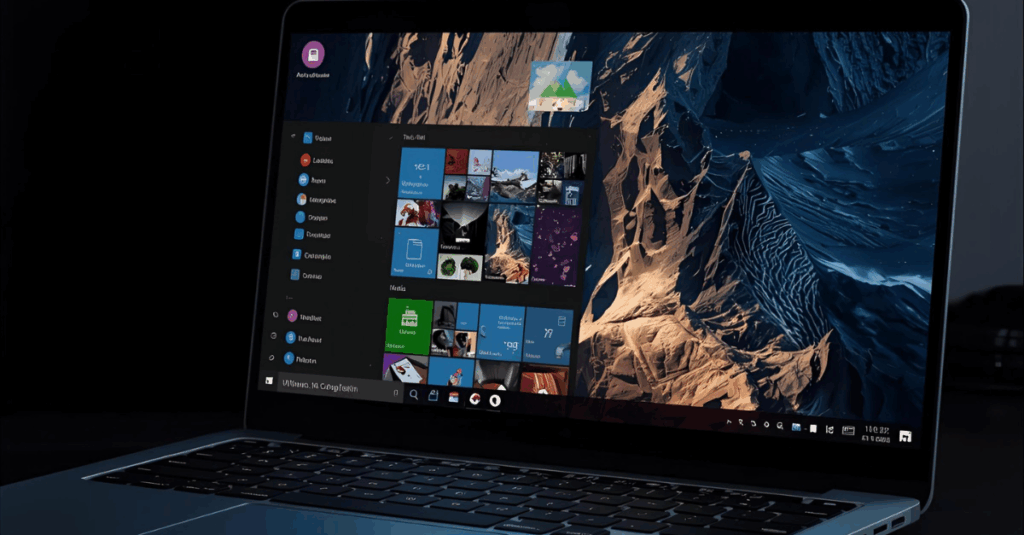
Why Hackers Target Unsupported Systems
Hackers are opportunists. The moment Windows 10 loses its official support, attackers will double down on exploiting its weaknesses. Here’s why:
- Known vulnerabilities become permanent once discovered, they can be reused indefinitely.
- Automated attack tools can exploit unpatched systems with minimal effort.
- Older systems lack encryption protocols and endpoint protection features that newer systems offer.
Without proactive upgrades, businesses make themselves ideal targets. Staying updated on threat trends is the first line of defense to explore Cybersecurity Trends to see how attackers evolve and how businesses can stay ahead.
The Domino Effect of Ignoring Updates
The danger doesn’t stop at a single computer. A compromised Windows 10 device can spread malware across the entire network. This chain reaction can result in data theft, system shutdowns, and operational chaos.
- Infected endpoints can easily spread viruses through shared drives and networks.
- Compromised systems can infect cloud environments and expose business-critical data.
- Employees may unintentionally share malicious links or attachments, worsening the situation.
Learn how modern protections can stop this spread in Endpoint Security.
Compliance and Legal Risks
For companies operating under strict regulations, such as healthcare, legal, or finance, unsupported systems create compliance nightmares. Data protection laws demand up-to-date software to safeguard sensitive information.
- HIPAA violations for unprotected medical records
- PCI DSS breaches when handling payment data on outdated systems
- GDPR penalties for failing to secure user information
Maintaining compliance isn’t optional it’s essential for trust and continuity. Learn more through HIPAA Solutions.
Cyber Resilience Starts with Modernization
Upgrading your IT infrastructure is not just about convenience it’s about resilience. Windows 11 offers advanced features designed to counter modern threats, including:
- Hardware-level encryption for data security
- Secure boot protocols to block unauthorized access
- Zero-trust frameworks that verify every user and device connection
Explore recovery and defense strategies in Ransomware Defense to strengthen your cyber posture.
How Managed IT Services Reduce Risk
For small and medium-sized businesses, keeping up with patches, updates, and migrations can be overwhelming. That’s where Managed IT Services step in. An experienced provider ensures your systems remain secure, compliant, and efficient.
- Automated patch management keeps every device up to date.
- 24/7 network monitoring detects threats before they cause damage.
- Migration support ensures smooth transition to modern platforms.
Learn more about how proactive management drives success in Managed IT.
Cloud Migration as a Strategic Defense
Cloud migration has become one of the most effective ways to maintain data security and continuity. Cloud providers offer automatic updates, redundancy, and centralized management elements that outdated systems can’t provide.
- Automatic patching and scalability
- Data redundancy to prevent loss during system failures
- Remote accessibility with enhanced encryption
See how your organization can benefit through Cloud Services that align security with growth.
Building a Smarter IT Strategy
Long-term success depends on strategic IT planning not reactive fixes. Businesses should move toward intelligent systems that anticipate issues, not just respond to them. A smart IT roadmap includes:
- Predictive monitoring to identify early signs of compromise
- AI-powered analytics to enhance efficiency
- Automation tools to streamline maintenance and reduce human error
Discover transformative planning insights in Digital Strategy.

Adopting Modern Security Technologies
Emerging technologies are changing how businesses defend their data. With advanced solutions like Extended Detection and Response (XDR) and AI monitoring, organizations can respond to incidents faster and more effectively.
- Real-time detection across devices and cloud platforms
- Integrated security intelligence for faster remediation
- Centralized control that simplifies cybersecurity management
Read more about how these innovations redefine security in XDR Security.
Conclusion: The Time to Act Is Now
Running Windows 10 beyond its end-of-support deadline is a gamble that businesses cannot afford to take. Without critical updates and protection, every unpatched vulnerability becomes a direct invitation for cyberattacks.
To safeguard your systems and data:
- Plan your upgrade path now don’t wait for the first major attack.
- Partner with managed IT experts for continuous monitoring and protection.
- Invest in future-ready infrastructure that supports both performance and security.
For Chicago businesses preparing to evolve, explore Rethink IT to build a strategy that keeps your organization ahead of the curve.