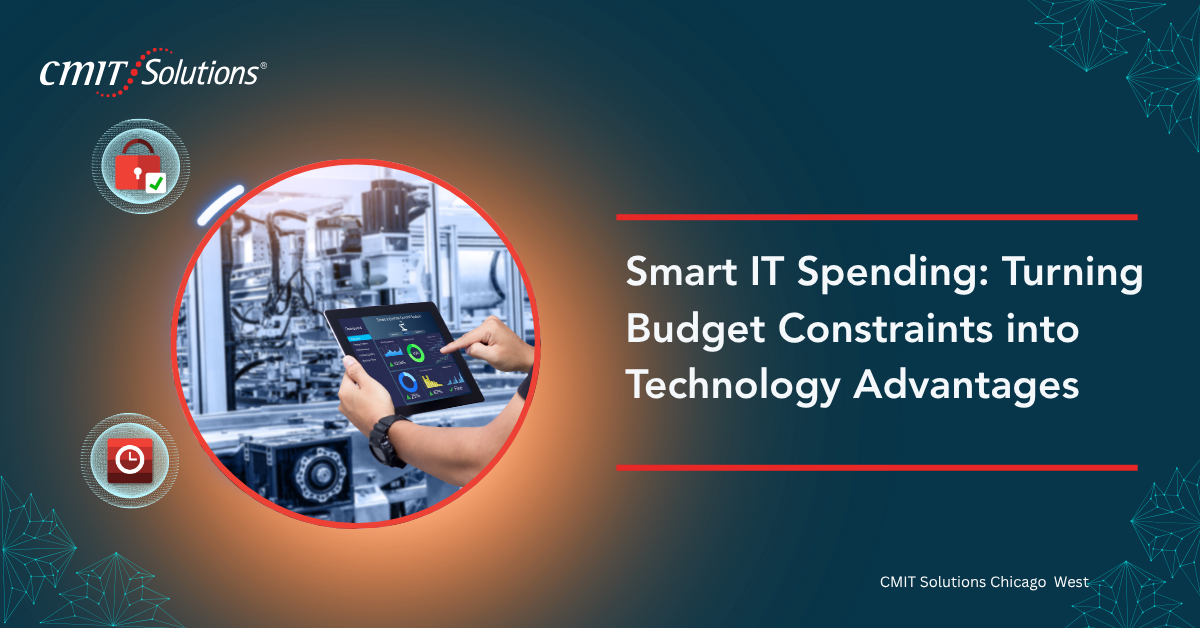
For many small and midsize businesses (SMBs) in Chicago, budget constraints can make IT investments feel like a challenge. However, with strategic planning and the right approach, limited budgets can be transformed into technology advantages that improve efficiency, security, and growth. Smart IT spending is about prioritizing value, maximizing ROI, and leveraging scalable solutions.
This blog explores how SMBs can optimize IT spending while gaining a competitive edge.
Understanding the Challenges of IT Budgeting
IT budgeting is often constrained by limited capital and competing business priorities. Common challenges include:
- High upfront costs for hardware and software
- Rapidly changing technology landscape
- Difficulty in forecasting IT needs for growth
- Balancing security, productivity, and innovation
Working with IT consulting experts helps SMBs evaluate needs and make informed technology decisions without overspending.
Prioritizing IT Investments for Maximum ROI
Smart IT spending starts with prioritizing investments that deliver the most value. Focus areas include:
- Security solutions to protect data and reduce risk
- Productivity tools that enhance employee efficiency
- Scalable cloud services for flexibility and cost savings
- Devices and applications that streamline operations
Leveraging managed IT services ensures that investments are aligned with business goals and provide ongoing value.

Leveraging Cloud Services to Reduce Costs
Cloud computing offers SMBs a cost-effective alternative to traditional on-premises IT. Benefits include:
- Reduced hardware costs and maintenance
- Scalable resources that grow with the business
- Simplified backups and disaster recovery
Using cloud services allows businesses to pay for only what they use, turning budget constraints into a flexible, efficient IT model.
Optimizing Hardware and Device Management
Hardware lifecycle management is crucial for controlling IT expenses:
- Track and maintain devices to extend their lifespan
- Replace outdated hardware strategically rather than all at once
- Implement Device as a Service (DaaS) programs for predictable costs
IT lifecycle management helps SMBs reduce unnecessary spending while ensuring reliable performance.
Enhancing Security Without Breaking the Budget
Cybersecurity is non-negotiable, but it doesn’t require extravagant spending. SMBs can optimize security investments by:
- Implementing endpoint protection and threat monitoring
- Using cloud security solutions to reduce infrastructure costs
- Training employees on security best practices
Integrating cloud security essentials ensures comprehensive protection without overspending.
Boosting Productivity Through Technology
Smart IT spending focuses on tools that improve efficiency and employee output. Solutions include:
- Collaboration platforms for remote and hybrid teams
- Productivity apps to streamline workflows
- Automation for repetitive tasks
By leveraging unified communications and workflow management tools, SMBs can enhance productivity without increasing costs.

Planning for the Future: Scalable IT Solutions
Budget-conscious SMBs benefit from IT strategies that grow with the business. Scalable solutions allow organizations to:
- Add users or resources as needed
- Upgrade systems without major capital expenditure
- Adjust IT strategies based on evolving business needs
Working with IT consulting partners ensures that technology investments are flexible and aligned with long-term growth.
Conclusion: Turning Constraints into Advantages
Budget constraints don’t have to limit IT potential. By prioritizing high-value investments, leveraging cloud services, optimizing device management, and focusing on scalable solutions, Chicago SMBs can turn limited resources into competitive advantages.
Combining managed IT services with strategic planning and cloud security essentials ensures that every IT dollar spent delivers maximum impact, supporting both business growth and operational efficiency.