Phishing attacks have become increasingly sophisticated, posing serious risks to small and medium-sized businesses (SMBs). While once limited to email scams, phishing now includes voice, video, and AI-driven attacks. Understanding this evolution is critical for protecting sensitive data, maintaining client trust, and ensuring regulatory compliance.
What is Phishing?
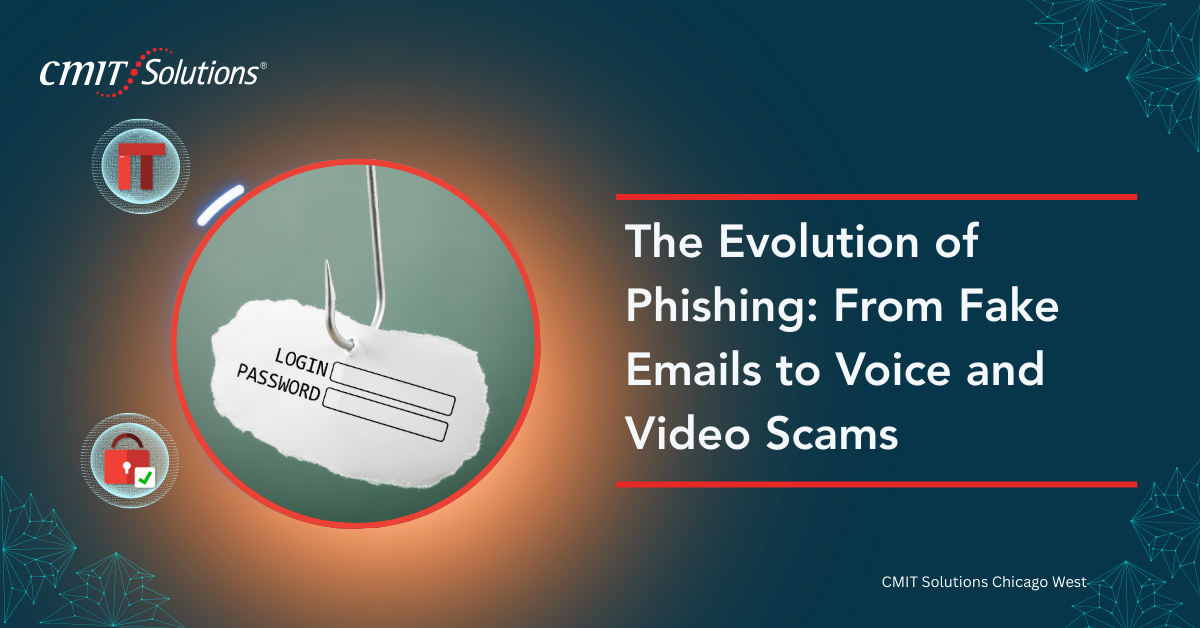
Phishing is a cyberattack where attackers impersonate trusted sources to steal sensitive information such as passwords, financial data, or personal information. Early phishing attacks mainly relied on emails with malicious links or attachments, but attackers have expanded into multiple channels, including phone calls and video messages. SMBs often mitigate these risks through solutions offered by CMIT Solutions Chicago.
The Evolution of Phishing Techniques
Email-Based Phishing
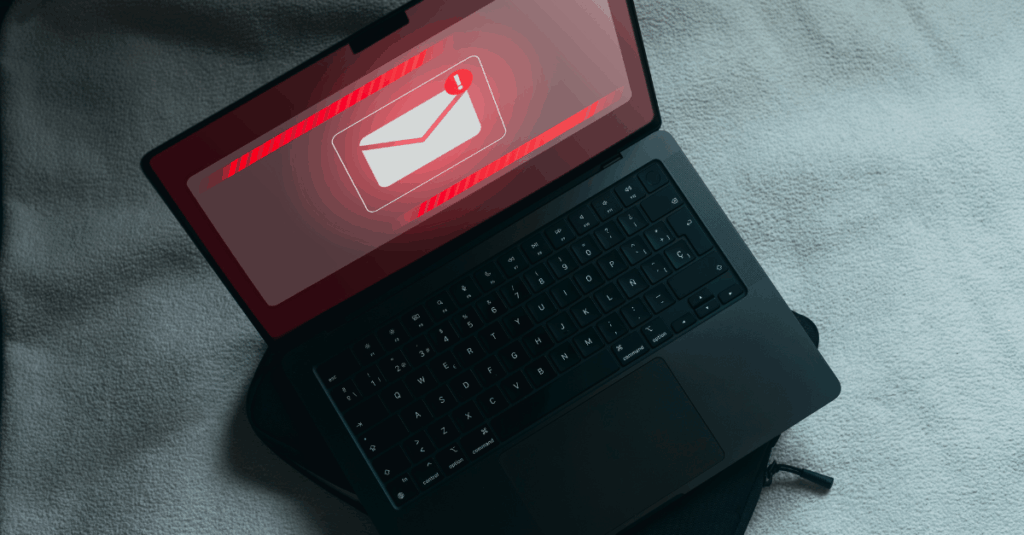
Traditional email-based phishing involved messages claiming urgent account issues or financial discrepancies. Malicious links or attachments installed malware if opened, resulting in credential theft or financial loss. Businesses have strengthened their defenses by integrating AI-enhanced productivity applications, as highlighted in Boosting Productivity with AI.
Voice Phishing (Vishing)
Vishing attacks use phone calls to impersonate trusted entities, often exploiting urgency or fear to extract sensitive information. Enterprises enhance communication security through UCaaS Security in 2025, providing encrypted channels for calls, chats, and virtual meetings.
SMS and Video-Based Phishing (Smishing)
Smishing employs text messages and video communications to deceive recipients. Cybercriminals may use video impersonations of executives to request confidential information, prompting organizations to adopt secure, low-code application environments such as From Clicks to Code.
AI-Enhanced Phishing
AI enables the creation of highly personalized attacks by analyzing social media, email histories, and voice patterns. These messages closely mimic legitimate communications, making detection challenging. AI-driven workplace solutions, like those in From Brainstorm to Bot, demonstrate responsible AI use to bolster security.
Why SMBs Are Vulnerable
SMBs face unique challenges that increase susceptibility to phishing, including limited cybersecurity budgets, insufficient employee training, reliance on legacy systems, multiple unmonitored communication channels, and valuable business data that is easier to exploit. Managed IT solutions such as Managed IT Services help mitigate these risks by providing continuous monitoring, compliance support, and proactive threat management.
Phishing Impacts on SMBs
Phishing attacks can have serious consequences, including financial losses due to fraud, data breaches exposing sensitive information, legal and compliance penalties, reputational damage, and operational disruptions caused by malware or ransomware. Businesses tracking emerging threats and mitigation strategies integrate insights from Cybersecurity Forecast 2025 to strengthen their security posture.
Preventing Phishing: Best Practices
- Employee Training: Continuous education helps staff recognize phishing emails, calls, and texts. Simulated phishing scenarios reinforce awareness.
- Multi-Factor Authentication (MFA): MFA provides an additional security layer beyond passwords, significantly reducing credential theft.
- Email Security Tools: AI-driven email filters can identify and block suspicious messages before they reach employees.
- Managed IT Services: Ongoing monitoring, timely updates, and threat response help safeguard business operations, as demonstrated in local MSP strategies.
- Secure Communication Platforms: Encrypted tools protect sensitive communication, which is essential in modern cloud-based workflows referenced in UCaaS Security.
- Regular Software Updates: Keeping operating systems and applications current closes vulnerabilities, as highlighted in Windows 10 to 11 migration guidance.
- Incident Response Planning: Establishing clear protocols for suspected phishing incidents ensures rapid containment and mitigation, as discussed in Cyber Resilience 2025.
Technology’s Role in Prevention
AI-driven detection monitors communication patterns to flag anomalies, while endpoint security safeguards devices from malware. Extended Detection and Response (XDR) platforms provide holistic monitoring across systems, as detailed in The Rise of XDR. Cloud-based infrastructure enhances scalability and data protection, supported by Cloud Services That Scale.
Real-World Examples
Many SMBs have faced significant impacts from phishing attacks. Examples include fraudulent wire transfers targeting accounting firms, patient data breaches in healthcare, and ransomware attacks in legal practices. Secure IT frameworks, such as those outlined in Securing Sensitive Data in Healthcare, are critical in preventing these incidents.

Why SMBs Need Managed IT Services
SMBs benefit from Managed IT Services in multiple ways:
- Continuous 24/7 system monitoring and threat detection
- Compliance support with industry regulations
- Deployment of advanced security tools
- Employee cybersecurity training and awareness programs
- Alignment of IT strategy with business objectives
- Rapid incident response and mitigation planning
- Cost-effective access to expert IT support and resources
Strategic IT planning examples are provided in From IT Chaos to Strategy 2025.
Future Phishing Trends
Phishing attacks will continue to evolve with AI-generated communications, deepfake videos targeting executives, exploitation of IoT devices, and cloud/remote work vulnerabilities. Businesses can prepare for these challenges by leveraging Emerging IT Infrastructure Innovations.
Conclusion
Phishing has transformed from simple email scams to multi-channel, AI-driven attacks. SMBs must adopt comprehensive strategies, including staff education, technology deployment, and Managed IT Services, to protect data, maintain compliance, and sustain trust. Long-term infrastructure planning and resilient IT systems are demonstrated in Building Smarter with Technology and Cloud-Native vs Cloud-Enabled.