Ransomware attacks are no longer isolated incidents they have the potential to cripple entire supply chains. For businesses that rely on interconnected vendors, suppliers, and logistics networks, a single compromised system can halt operations, delay deliveries, and result in significant financial and reputational damage. Understanding the ripple effect of ransomware is critical for SMBs in Chicago and beyond.
This blog explores how ransomware spreads across supply chains, the risks involved, and proactive strategies businesses can implement to minimize disruption.
Understanding Ransomware and Its Impact
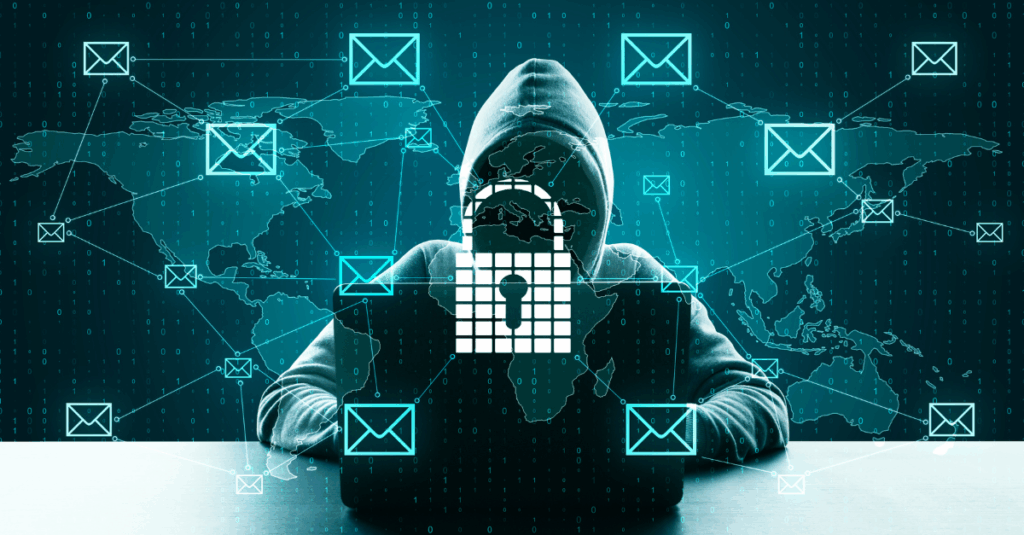
Ransomware is malicious software designed to encrypt a company’s data, rendering systems unusable until a ransom is paid. While the immediate impact affects a single organization, the consequences often extend beyond the initial target.
Key impacts include:
- Operational downtime
- Loss of sensitive data
- Financial losses from ransom payments or recovery costs
- Damage to customer and partner trust
By implementing managed IT services, businesses can proactively monitor networks, detect ransomware threats early, and respond swiftly to minimize these impacts.
How Ransomware Disrupts Supply Chains
Modern supply chains are highly interconnected. A disruption in one part of the chain can cascade across multiple organizations. For example:
- A supplier’s encrypted systems can delay shipments
- Logistics providers with compromised software can misroute deliveries
- Retailers relying on affected partners may face stock shortages
These ripple effects can cause significant downtime and revenue loss. Businesses can mitigate these risks by integrating cloud services to ensure data redundancy and maintain operations during an attack.
The Cost of Inaction
Many SMBs underestimate the financial and operational costs of ransomware beyond the ransom itself. These include:
- Lost productivity and operational delays
- Regulatory fines due to data breaches
- Customer churn due to service disruptions
- Damage to brand reputation
Investing in preventive measures like disaster recovery services ensures that businesses can quickly restore critical data and maintain supply chain continuity even after an attack.
Early Detection Through Proactive IT Monitoring
Early detection is crucial in preventing a ransomware attack from spreading. Managed IT providers use proactive monitoring to:
- Identify unusual network activity
- Detect malware before it encrypts data
- Alert IT teams for immediate containment
Solutions like network monitoring and endpoint monitoring help businesses detect threats in real-time, preventing them from escalating into widespread disruptions.
Cybersecurity Measures to Safeguard Supply Chains
Strong cybersecurity practices are essential to prevent ransomware attacks from affecting multiple partners. Recommended measures include:
- Multi-factor authentication and strong password policies
- Regular software updates and patching
- Employee training on phishing and social engineering
- Secured access to cloud and on-premises systems
Integrating Cloud security essentials ensures that sensitive information remains protected across the supply chain, reducing the risk of cascading attacks.
Partner and Vendor Risk Management
Since ransomware often spreads through third-party partners, it’s critical to assess and manage vendor risks:
- Evaluate partners’ cybersecurity policies
- Require secure communication and data handling
- Establish incident response agreements in contracts
Businesses can leverage IT consulting to design robust vendor risk programs that minimize exposure to ransomware threats.
Planning for Continuity During an Attack
Even with strong prevention, no system is completely immune. A comprehensive continuity plan ensures operations can continue during an attack:
- Maintain regular backups of critical data
- Implement redundant systems using IT lifecycle management
- Develop response protocols for rapid recovery
- Use managed IT services to coordinate containment and restoration efforts
These measures help businesses maintain supply chain operations and limit financial losses during ransomware incidents.

Regulatory Compliance and Ransomware Preparedness
Regulatory frameworks often require businesses to implement cybersecurity measures to protect sensitive data. Compliance with these standards not only mitigates legal risks but also strengthens defenses against ransomware:
- HIPAA for healthcare
- GDPR for handling EU customer data
- Illinois state privacy laws
Using top IT compliance strategies ensures that your IT systems meet or exceed regulatory requirements, protecting both your business and your supply chain partners.
Conclusion: Minimizing the Ransomware Ripple Effect
Ransomware attacks can disrupt entire supply chains, leading to lost revenue, reputational damage, and operational chaos. For Chicago businesses, proactive IT management, strong cybersecurity practices, vendor risk assessments, and robust disaster recovery plans are essential to minimize risk.
By partnering with managed IT services, leveraging cloud services, and implementing cloud security essentials, businesses can prevent small ransomware incidents from escalating into supply chain disasters.
A strategic, proactive approach ensures that even in the face of cyber threats, operations remain resilient and business relationships intact.