The holiday season is one of the busiest times of the year.
Sales increase.
Customers engage more.
Transactions spike across every channel.
For businesses in Fort Myers and Southwest Florida, it’s a time of opportunity.
But for cybercriminals, it’s a time of strategy.
While businesses focus on growth, attackers focus on exploitation.
More emails are opened.
More payments are processed.
More urgency drives decisions.
And that’s exactly what scammers take advantage of.
Sometimes the mindset is:
In reality, small and mid-sized businesses are often the easiest targets.
Because during the holidays, speed increases — but caution often decreases.
Why Holiday Scams Are More Dangerous for Businesses
The risk isn’t just higher — it’s different.
During the holidays:
- Employees are busier and more distracted
- Financial transactions increase significantly
- Temporary staff may lack security training
- Urgency leads to quicker decision-making
Cybercriminals design scams specifically around these conditions.
They don’t just attack systems.
They exploit behavior.
And that’s what makes holiday scams so effective.

The Shift from Obvious Scams to Convincing Attacks
Scams are no longer easy to spot.
They don’t look suspicious anymore.
They look real.
They feel urgent.
They sound legitimate.
An email may appear to come from a trusted vendor.
A payment request may look routine.
A delivery message may seem expected.
This is what makes modern scams dangerous — they blend into normal business activity.
The Top 5 Holiday Scams Businesses Need to Watch For
Business Email Compromise (BEC) Disguised as Urgent Requests
This is one of the most damaging scams during the holidays.
An attacker impersonates a business owner, executive, or vendor.
The message is simple:
“Urgent payment needed.”
“Update bank details.”
“Process this invoice immediately.”
Because teams are busy, these requests often get processed without verification.
Why it works:
It exploits urgency and authority.
What to watch for:
Unusual payment requests, changes in payment details, or last-minute urgency.
Fake Invoice and Payment Scams
During the holiday season, businesses process more invoices than usual.
Scammers take advantage of this by sending fake invoices that look legitimate.
They may:
- Copy branding from real vendors
- Reference actual services
- Use realistic amounts
Once payment is made, the money is gone.
Why it works:
It blends into normal financial workflows.
What to watch for:
Invoices from unfamiliar sources or unexpected billing changes.
Shipping and Delivery Scams Targeting Operations
With increased deliveries, businesses receive more shipping notifications.
Attackers send messages like:
- “Package delayed — click here”
- “Confirm delivery details”
- “Track your shipment”
These links often lead to phishing sites or malware downloads.
Why it works:
It aligns with expected business activity.
What to watch for:
Unexpected delivery alerts or links from unknown senders.
Holiday Phishing Campaigns Targeting Employees
Holiday-themed emails are highly effective.
They may include:
- Discount offers
- Gift card promotions
- Event invitations
- Year-end notifications
Employees may click without thinking — especially during busy periods.
Why it works:
It uses seasonal context and curiosity.
What to watch for:
Emails with links or attachments that seem unrelated to work tasks.

Gift Card and Internal Fraud Scams
This scam often targets internal teams.
An attacker impersonates a manager and asks an employee to purchase gift cards urgently.
The message might say:
“I need this for a client.”
“Send the codes immediately.”
Once the codes are shared, the funds are unrecoverable.
Why it works:
It relies on trust and quick action.
What to watch for:
Any request involving gift cards, especially under pressure.
Why These Scams Matter More for Fort Myers Businesses
In a growing business environment like Fort Myers, companies are moving faster than ever.
Customer demand increases.
Transactions accelerate.
Teams are stretched.
That’s exactly when mistakes happen.
A single successful scam can lead to:
- Financial loss
- Data breaches
- Operational disruption
- Reputation damage
For small and mid-sized businesses, even one incident can have long-term impact.
The Real Risk: Human Behavior, Not Just Technology
Most holiday scams don’t break systems.
They trick people.
They rely on:
- Urgency
- Trust
- Distraction
- Routine
That’s why traditional security tools alone are not enough.
Awareness and process matter just as much as technology.
How Businesses Can Stay Protected During the Holidays
Protection starts with preparation.
Businesses that stay secure don’t just react — they plan ahead.
They:
- Train employees to recognize scams
- Verify financial requests before processing
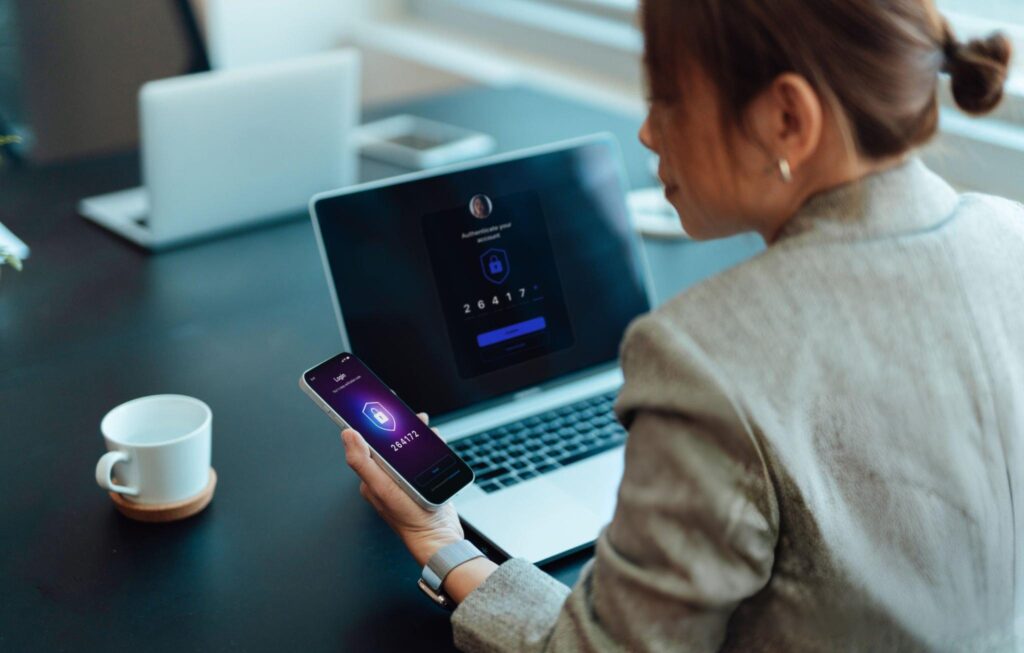
- Use multi-factor authentication
- Monitor systems for unusual activity
- Establish clear approval processes for payments
For Fort Myers businesses, working with a proactive IT partner ensures these protections are always in place.
Why Proactive Security Is a Competitive Advantage
Security is no longer just about avoiding risk.
It’s about maintaining trust and continuity.
Businesses that prioritize cybersecurity can:
- Operate without disruption
- Protect customer data
- Build stronger relationships
- Maintain consistent service
During the holiday season, that reliability becomes a major advantage.
The Bigger Picture: Scams Are Getting Smarter
Cyber threats are evolving.
AI-driven attacks are increasing.
Phishing emails are becoming more convincing.
Scams are harder to detect.
What worked last year may not work this year.
That’s why businesses need to stay proactive — not reactive.
Conclusion
The holiday season brings opportunity — but also increased risk.
Scammers take advantage of urgency, high activity, and human behavior.
For businesses across Fort Myers and Southwest Florida, awareness is the first line of defense.
Understanding the most common holiday scams can help prevent costly mistakes and protect your operations.
Organizations that stay prepared can:
- Reduce financial risk
- Protect sensitive data
- Maintain business continuity
- Operate with confidence
Cybersecurity is not just about protection.
It’s about staying ahead.