Cybersecurity threats are often associated with external hackers, but insider threats pose just as much—if not more—risk to small businesses. Employees, contractors, or even business partners with authorized access to systems and sensitive data can unintentionally or maliciously cause security breaches. Insider threats can lead to financial loss, regulatory non-compliance, and reputational damage.
For businesses relying on Outsourced IT Support Hayward, preventing insider threats is a crucial part of a comprehensive cybersecurity strategy. This guide explores the different types of insider threats, how they impact businesses, and the best practices for reducing internal security risks.
Understanding Insider Threats
An insider threat occurs when an employee, contractor, or trusted third party misuses their access to an organization’s systems, data, or network. These threats can be:
- Malicious: A disgruntled employee steals sensitive data or installs malware.
- Negligent: An employee accidentally shares credentials or falls for a phishing scam.
- Compromised: An insider’s account is hacked, giving external attackers access.
Small businesses must take proactive measures by implementing Cybersecurity Solutions Hayward to detect and mitigate these risks before they lead to a security breach.
Why Insider Threats Are a Growing Concern for Small Businesses
1. Increased Remote Work and Third-Party Access
Many businesses allow employees and vendors to access their systems remotely, increasing the risk of security breaches. Without strong IT Compliance Hayward measures, organizations struggle to monitor and control access.
2. Insider Threats Are Harder to Detect
Unlike external hackers, insiders already have legitimate access to critical systems. Without IT Support Companies Hayward monitoring user behavior, businesses may not notice suspicious activities until it’s too late.
3. Insider Attacks Can Be Costly
A security breach caused by an insider can result in financial loss, regulatory fines, and legal liabilities. Businesses that fail to secure data properly may face compliance violations and penalties.
Best Practices to Prevent Insider Threats
1. Enforce Strong Access Controls and Least Privilege Policies
Limiting access to sensitive systems and data is one of the most effective ways to prevent insider threats. Businesses using Network Management Hayward should:
- Implement role-based access control (RBAC) to restrict permissions.
- Grant employees only the minimum access needed for their job.
- Regularly review user access levels to prevent unnecessary privileges.
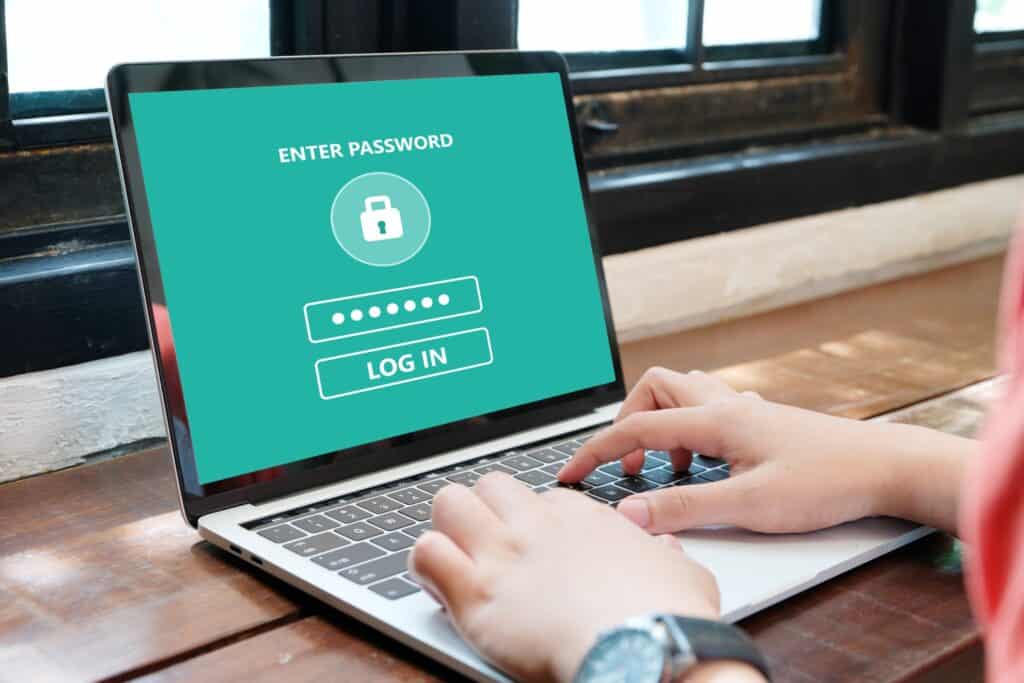
2. Implement Multi-Factor Authentication (MFA)
MFA adds an extra layer of security by requiring users to verify their identity before logging in. Organizations that integrate Endpoint Security Hayward can prevent unauthorized access even if login credentials are compromised.
3. Monitor User Activity and Detect Anomalies
Insider threats are difficult to detect without real-time monitoring. Businesses using Managed IT Provider Hayward can benefit from:
- User behavior analytics (UBA) to track suspicious actions.
- Automated alerts for unauthorized access attempts.
- Audit logs to track and investigate system changes.
4. Establish a Comprehensive Employee Offboarding Process
When employees leave the company, their access must be revoked immediately. Organizations implementing Managed IT Services Hayward can:
- Disable all former employee accounts promptly.
- Retrieve company-owned devices and data.
- Monitor activity for post-employment access attempts.
5. Conduct Cybersecurity Awareness Training
Many insider threats occur due to negligence. Providing regular training sessions helps employees recognize security risks, including:
- Phishing attacks and social engineering tactics.
- Safe password management and login practices.
- How to handle sensitive business data securely.
Organizations using IT Support in Hayward Beach can implement training programs to strengthen employee awareness.
6. Secure Cloud Services and Data Protection
With businesses increasingly using cloud applications, ensuring Data Protection Hayward is critical. Businesses should:
- Encrypt sensitive cloud-stored data.
- Use secure access controls and authentication for cloud accounts.
- Regularly audit cloud permissions to ensure compliance.
7. Implement a Strong Incident Response Plan
Even with preventive measures in place, businesses must prepare for insider threats. A strong Disaster Recovery Hayward strategy includes:
- Identifying, containing, and mitigating security incidents.
- Recovering compromised data and systems.
- Assessing damages and taking corrective actions.
How Managed IT Services Can Prevent Insider Threats
Partnering with a Managed IT Service Provider Hayward provides businesses with expert solutions for insider threat prevention. Benefits include:
- Proactive threat detection and security monitoring.
- Real-time alerts for suspicious insider activities.
- Data access control and encryption strategies.
- Security compliance management and audit preparation.
Companies implementing Hayward Managed IT Support gain a stronger defense against internal security risks while ensuring compliance with cybersecurity regulations.
Conclusion: Strengthening Business Security Against Insider Threats
Insider threats are a significant cybersecurity risk for small businesses, often going unnoticed until severe damage has occurred. By enforcing strong access controls, monitoring user activity, and educating employees on security best practices, organizations can reduce the likelihood of internal breaches.
For businesses looking for Remote IT Support Hayward or VoIP Services Hayward, investing in managed IT services ensures continuous security monitoring and proactive threat prevention.
By integrating Cloud Backup Hayward and implementing a multi-layered cybersecurity approach, businesses can safeguard against both external and internal security risks. Taking these steps today will help small businesses build a secure and resilient IT infrastructure.