Introduction: The Shift to a Digital Workplace
The modern business landscape has evolved beyond the confines of traditional offices. Today, teams collaborate across cities, time zones, and even continents powered by digital tools and cloud technologies. This digital workplace revolution empowers flexibility but introduces new cybersecurity challenges.
Balancing freedom and control is essential. Without proper security strategies, the same flexibility that drives productivity can expose your business to risk. As CMIT Solutions of Long Beach notes in its insights on cloud security, a modern digital workplace must integrate flexibility with robust protection to stay resilient.
What Defines the Digital Workplace?
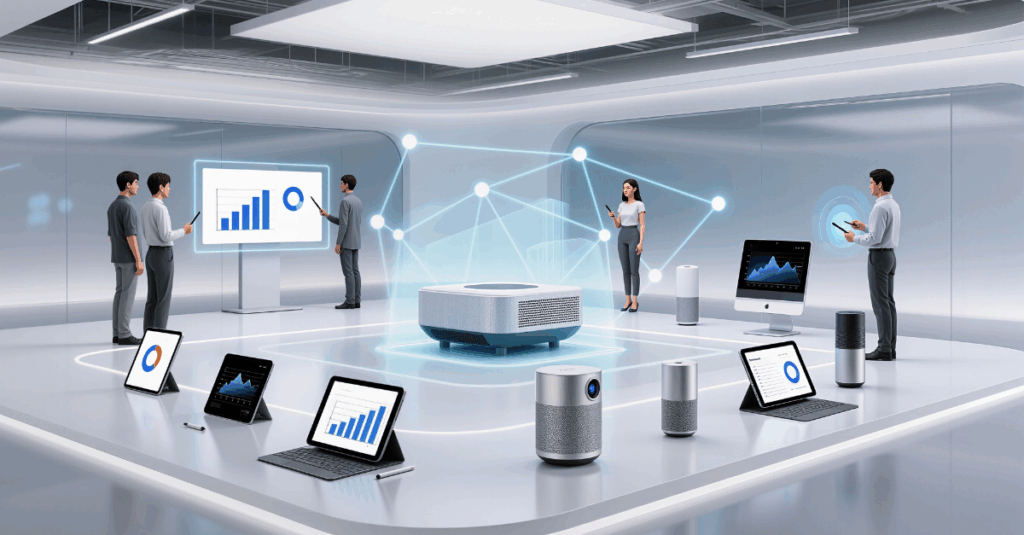
The digital workplace is more than just remote work; it’s a unified ecosystem that connects people, applications, and data through the cloud.
Key characteristics include:
- Hybrid teams operating across multiple locations
- Dependence on cloud-based platforms and SaaS tools
- Mobile-first connectivity and collaboration
- 24/7 access to information with shared accountability
These capabilities make operations agile and scalable. However, without managed oversight, they can also lead to issues like shadow IT, inconsistent policies, and security blind spots problems highlighted in CMIT’s article on digital exhaust.
Why Flexibility Matters for Modern Businesses
Flexibility drives both performance and retention. In an era where talent expects autonomy, a digital workplace gives employees the tools to work efficiently wherever they are.
Business advantages include:
- Higher productivity: Teams collaborate seamlessly across time zones.
- Talent attraction: Flexible work options are now a key differentiator.
- Lower costs: Reduced need for physical office space and travel.
- Operational continuity: Work continues uninterrupted during disruptions.
CMIT’s analysis on driving growth shows how technology-driven flexibility directly supports innovation and long-term scalability.
The Data Security Challenge in a Flexible World
The expanded digital workspace brings new attack vectors to every device, connection, and app can become a gateway for cybercriminals. Managing this risk requires continuous monitoring, layered protection, and automation.
Top security challenges include:
- Unsecured home networks and mobile devices
- Unmonitored third-party cloud services
- Weak authentication controls
- Lack of endpoint visibility
The growing threat landscape, as discussed in CMIT’s piece on AI-driven threats, proves that automation and AI must be central to modern defense strategies.
Achieving the Balance: Flexibility Meets Security
To thrive in the digital workplace, organizations must maintain flexibility without compromising data protection. This requires proactive design, clear policies, and smart automation.
1. Zero Trust Architecture
Trust nothing by default. Zero Trust ensures every access request internal or external is verified.
- Enforce multi-factor authentication (MFA)
- Segment networks by department or role
- Regularly review user privileges
CMIT’s guide on zero trust adoption outlines why this strategy has become a gold standard for modern IT security.
2. Endpoint Security and Monitoring
Remote and hybrid work depends on secure devices.
- Deploy EDR or MDR tools for detection and response
- Monitor device health in real-time
- Automate patching and antivirus updates
For small businesses, managed tools like CMIT’s endpoint security provide enterprise-level protection without complexity.
3. Cloud Management and Compliance
Use integrated tools to manage multiple clouds while enforcing policy compliance.
- Encrypt all data at rest and in transit
- Implement centralized dashboards for visibility
- Monitor access control violations continuously
This approach aligns with CMIT’s findings on multi-cloud management, ensuring visibility and governance across diverse systems.
4. Employee Education and Culture
Human error remains the biggest cybersecurity risk.
- Conduct phishing simulations regularly
- Provide short, actionable security awareness sessions
- Reward good cybersecurity practices
CMIT’s training strategies in security awareness demonstrate that when staff understand the “why,” they become active defenders of company data.
Proactive IT Support in the Digital Era
Automation now drives efficiency across IT operations. With AI-based monitoring, issues are identified and resolved before they cause downtime.
Benefits of proactive IT automation include:
- Reduced manual workload for IT teams
- Faster detection and remediation of issues
- Predictive maintenance based on real-time analytics
- Enhanced business continuity through automation
CMIT explains this transformation in its post on proactive IT, emphasizing that automated support builds stability and scalability.
Securing Collaboration Tools
As businesses rely on Microsoft 365, Slack, or Teams for communication, secure collaboration becomes vital.
- Enforce role-based permissions
- Control file-sharing permissions
- Monitor user activity logs
Unified platforms, as seen in CMIT’s guide on unified communications, make collaboration seamless while maintaining enterprise-grade protection.
Protecting Data Across Devices and Clouds
In a flexible environment, data lives everywhere on laptops, phones, and cloud platforms. Strong backup and recovery solutions ensure that this data remains protected no matter what.
Best practices include:
- Automate data backups
- Verify restore points weekly
- Encrypt backup archives
- Test recovery readiness quarterly
CMIT’s ransomware resilience approach underscores how data continuity safeguards productivity and peace of mind.

Balancing Flexibility and Control: The MSP Advantage
Partnering with a Managed Service Provider (MSP) gives businesses the structure and guidance needed to manage risk while enabling digital freedom.
An MSP provides:
- Centralized monitoring and response
- Cloud and endpoint management
- Compliance enforcement
- 24/7 help desk and support
CMIT Solutions of Long Beach’s help desk ensures quick, expert assistance that keeps hybrid teams productive and secure.
Looking Ahead: The Future of the Digital Workplace
The digital workplace is only growing more dynamic. With the integration of AI-powered analytics, Zero Trust frameworks, and multi-cloud ecosystems, organizations will need to stay adaptive to stay safe.
As discussed in CMIT’s coverage of AI innovation, the intersection of automation and security will define how companies operate smarter, faster, and more securely.
Conclusion: A Secure, Connected Future
The digital workplace revolution is about empowerment but only if it’s built on a foundation of trust and protection. Businesses must adopt flexible policies, robust cybersecurity tools, and continuous education to maintain this balance.
Partnering with CMIT Solutions of Long Beach gives organizations the expertise and technology needed to thrive securely in this new era. Through proactive monitoring, intelligent automation, and unified protection, CMIT ensures that flexibility and data security evolve hand in hand.