Introduction: The Cyber Threat Landscape Has Changed
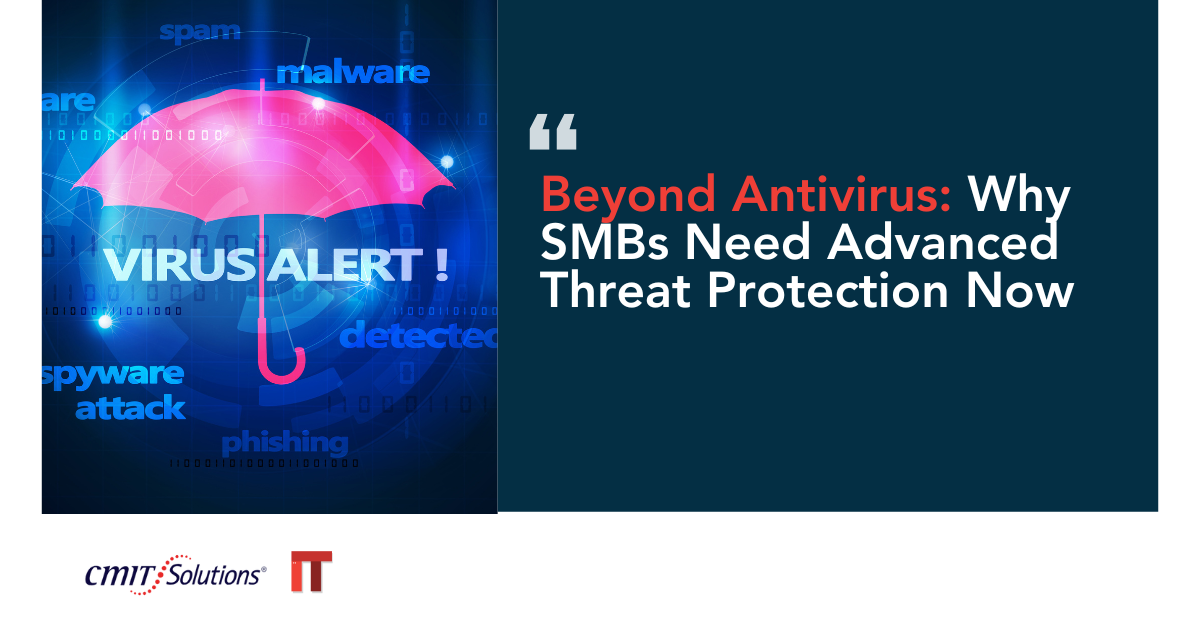
Small and mid-sized businesses (SMBs) have long relied on basic antivirus software to safeguard their digital environments. But as cybercriminals evolve and the attack surface expands, traditional solutions are no longer enough. The threat landscape in 2025 is sophisticated, multi-faceted, and highly targeted. Ransomware, phishing, AI-powered exploits, and advanced persistent threats (APTs) bypass outdated security layers with ease.
Today, advanced threat protection (ATP) is no longer a luxury—it’s a necessity. SMBs, once overlooked by hackers, are now prime targets, as explored in Cyber Threats in Long Beach. This blog unpacks why antivirus alone is inadequate, and how ATP delivers the layered, proactive defense your business needs.
The Limits of Traditional Antivirus Software
Antivirus programs have historically functioned by detecting known malware signatures. While this method works for basic threats, it’s ineffective against modern attack vectors that leverage unknown, polymorphic, or zero-day exploits. These threats often go unnoticed by conventional programs that lack dynamic threat analysis capabilities.
The downsides of traditional antivirus solutions include:
- Signature dependence: If a threat has no known signature, it can bypass detection.
- Limited behavioral analysis: Antivirus reacts to known patterns instead of identifying unusual system behavior that may indicate a breach.
- Minimal cloud integration: In an era of hybrid work and cloud-native infrastructure, traditional antivirus lacks real-time collaboration support.
In contrast, ATP solutions provide an intelligent layer of protection that evolves alongside the threats. They combine data analytics, predictive modeling, and real-time analysis to stop threats before they cause damage.
Why SMBs Are Attractive Targets
Many business owners believe that cybercriminals go after big corporations. In truth, small businesses are attractive because they often have weaker defenses and more to lose per dollar of revenue. As outlined in Cyberattack Wake-Up Call, recent attacks show how SMBs are increasingly targeted.
Cybercriminals exploit this vulnerability by using SMBs as entry points into larger networks or data repositories. In some cases, hackers use social engineering tactics, phishing emails, or malware embedded in everyday tools like invoicing software to breach systems. Recovery is costly, both in terms of time and reputation. When compounded with potential regulatory fines and legal liabilities, the cost of an attack can be devastating.
The Role of Advanced Threat Protection (ATP)
ATP encompasses a multi-layered approach to cyber defense. Unlike traditional antivirus, it leverages AI, machine learning, behavioral analytics, and real-time threat intelligence to identify and neutralize threats before they cause damage.
Core ATP features include:
- Real-time behavioral monitoring: Detects unusual behavior and quarantines suspicious activity instantly.
- Zero-day threat protection: Blocks unknown threats before they become widespread.
- Cloud-based sandboxing for file inspection: Isolates and examines suspicious files in a virtual environment.
- Endpoint detection and response (EDR): Monitors end-user devices and enables fast responses.
- Integration with SIEM and MDR tools: Consolidates event logs and automates detection-response processes.
These capabilities offer businesses peace of mind, allowing them to operate securely in a constantly changing digital ecosystem. To better understand how these tools integrate, read Understanding MDR, EDR, and SIEM.

The Shift from Reactive to Proactive Security
Antivirus responds to threats; ATP anticipates them. This proactive stance is especially crucial for SMBs that lack dedicated internal IT teams. With 24/7 threat monitoring and automated remediation protocols, ATP closes the gap.
Unlike outdated solutions that rely on signatures and manual patches, ATP employs artificial intelligence to track system-wide anomalies and make informed decisions. It proactively isolates infected files, disables compromised user accounts, and notifies administrators before damage spreads.
Solutions powered by AI allow ATP systems to learn and adapt. For example, Preventing Data Breaches with AI shows how businesses stay ahead of attackers using intelligent threat detection.
Protecting Remote and Hybrid Teams
Remote work adds complexity to cybersecurity. Employees connect from varied networks using diverse devices, creating new vulnerabilities. Antivirus software isn’t designed for this level of distribution. It lacks visibility into decentralized networks and often cannot manage endpoints outside the office perimeter.
ATP platforms offer comprehensive coverage regardless of employee location. They include:
- Secure VPNs for remote access
- Automated patching for off-site devices
- Cloud-integrated dashboards for centralized management
- Zero-trust verification for every login attempt
Through Unified Communications tools, businesses can enhance collaboration while safeguarding access.
Strengthening Authentication Practices
Passwords are a weak link in cybersecurity. Many breaches begin with stolen or guessed credentials. Antivirus doesn’t address this issue at all, but ATP frameworks integrate with modern authentication protocols.
By enabling multi-factor authentication (MFA), biometric verification, and passkeys, ATP platforms reduce the attack surface. Centralized identity management tools also offer role-based access controls, making it harder for unauthorized users to infiltrate sensitive areas.
Passkeys vs Passwords discusses how adopting advanced authentication methods can drastically reduce unauthorized access.
Building a Stronger Compliance Foundation
Compliance isn’t just about avoiding fines; it’s about protecting your clients, data, and reputation. Whether it’s HIPAA, PCI, or local standards, ATP systems offer detailed audit logs, automated alerts, and compliance reporting.
These capabilities ensure SMBs can withstand audits and avoid the operational downtime that often accompanies compliance failures. ATP also makes it easier to demonstrate due diligence in the event of a data breach.
Explore how CMIT Solutions supports healthcare compliance and what it means for small businesses navigating strict regulations.
Cloud Security and Data Backup Integration
Modern businesses rely on the cloud for everything from data storage to collaboration. Antivirus tools were not designed for this architecture. ATP systems offer cloud-native protection and integrate easily with cloud backup solutions.
Cloud-native ATP features include:
- Threat monitoring across SaaS platforms
- Secure access management for cloud resources
- End-to-end encryption and tokenization
Combined with smart recovery strategies like those in Ransomware Resilience, ATP ensures your business stays operational, no matter what.
Partnering with Experts: Why MSPs Make a Difference
Implementing ATP solutions requires expertise, ongoing management, and strategic insight. That’s why many SMBs are turning to Managed Service Providers. MSPs offer customized ATP deployments, ongoing monitoring, and on-call remediation.
MSPs provide:
- Scalable ATP solutions tailored to business size
- Access to certified cybersecurity professionals
- 24/7 helpdesk and monitoring
- Compliance assistance and documentation
As noted in Transforming IT Support, MSPs bridge the internal skills gap while bringing enterprise-level security within reach of SMB
Conclusion: Security Without Compromise
The age of relying solely on antivirus software is over. With the rapid advancement of threats and the evolving complexity of business environments, advanced threat protection is the new standard. SMBs that make this shift gain peace of mind, operational continuity, and a significant competitive edge.
Discover how CMIT Solutions of Long Beach empowers local businesses with security strategies tailored to today’s digital challenges.
If your current defenses aren’t keeping up with the pace of change, it’s time to go beyond antivirus—and embrace a smarter, more secure future.