Introduction: The Rising Tide of Compliance Scrutiny
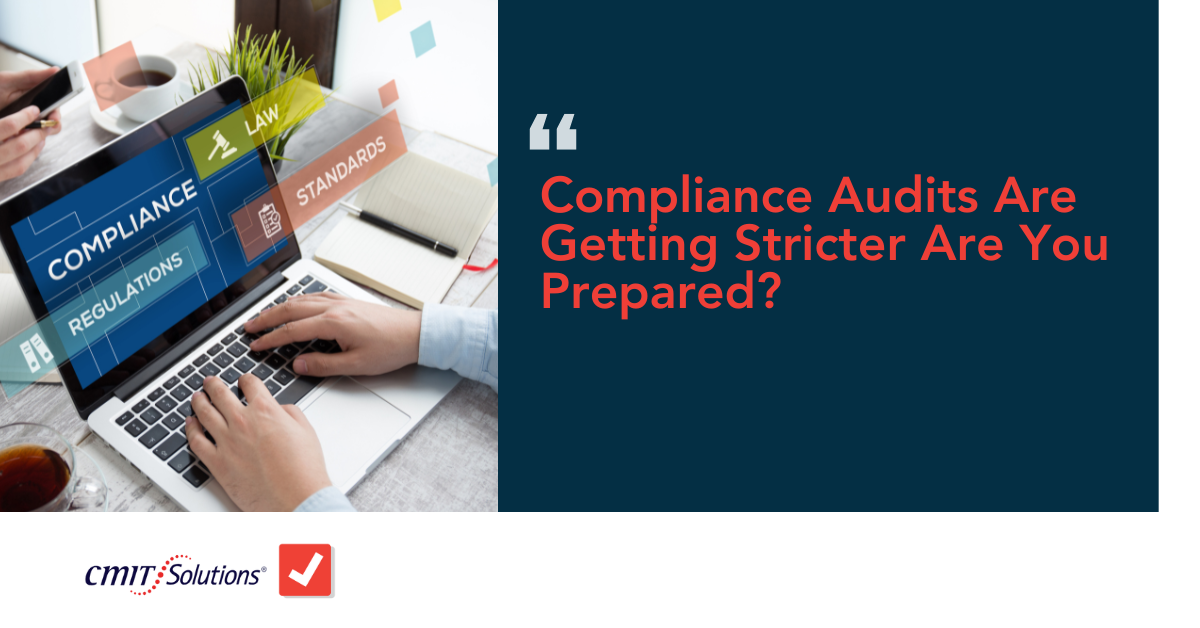
In today’s digital business landscape, compliance is no longer just a regulatory checkbox—it’s a full-fledged operational imperative. From HIPAA to PCI DSS, SOC 2 to GDPR, the stakes have never been higher for small and medium-sized businesses in Long Beach. As compliance audits grow more frequent and stringent, business owners must ask themselves: Are we prepared?
Regulatory expectations are evolving. The consequences of non-compliance range from steep fines to reputational damage and operational disruption. For local businesses, the solution lies not in reactive measures but in proactive IT support, cybersecurity strategy, and infrastructure resilience.
What Is a Compliance Audit?
A compliance audit is a formal evaluation designed to verify that an organization is following external regulations and internal guidelines that govern business practices. These audits assess data security, risk management, employee awareness, and procedural adherence, ensuring every aspect of a company’s operations meets industry standards. They are particularly important in sectors such as healthcare, finance, and technology, where data sensitivity and regulatory frameworks are critical.
For businesses in Long Beach, preparing for a compliance audit means more than completing a checklist. It involves building a culture of accountability, maintaining up-to-date documentation, and regularly evaluating security protocols to meet evolving regulations. It also means working with a reliable partner to stay current on changing compliance requirements and emerging risks that could impact audit results.

Understanding the Scope and Impact of a Compliance Audit
A compliance audit is far more than a checklist. It’s a rigorous review of whether your business adheres to the legal, regulatory, and internal controls required by industry standards. It involves data tracking, risk evaluations, and often includes technical audits of cloud infrastructure, firewalls, and access controls.
For businesses in Long Beach, where many industries are subject to HIPAA, PCI, and SOC regulations, failing an audit can lead to severe financial penalties and reputational damage. Organizations must adopt an audit-ready culture that includes continuous monitoring, training, and reporting mechanisms. Working with cybersecurity experts simplifies audit preparedness.
Evolving Regulatory Demands in the Digital Business Age
Compliance isn’t static—it evolves as technologies and threats change. Remote work, AI, and cloud migration have redefined what auditors expect. They now examine encryption protocols, network segmentation, identity verification, and even the ethical deployment of AI solutions.
As AI transforms Long Beach businesses, companies must show they understand the implications. Data protection, transparency, and accountability are front and center. Staying compliant means aligning technology innovation with governance policies and standards.
Industry-Specific Challenges and Sector Compliance Requirements
Every sector in Long Beach—from healthcare to retail to logistics—faces its own set of compliance hurdles. Healthcare must navigate HIPAA, financial firms must meet SOC 2 and GLBA standards, and retailers deal with PCI DSS obligations.
Adding to the challenge are hybrid environments where cloud services, third-party vendors, and remote devices increase exposure points. As seen in healthcare compliance frameworks, even one misstep—such as storing PHI on an unencrypted server—can result in massive fines.
Why Being Reactive Is No Longer an Option for SMBs
The idea of waiting for an incident to trigger change is outdated—and dangerous. In today’s fast-paced digital environment, cybercriminals exploit even the smallest vulnerabilities within seconds. A reactive stance leaves businesses exposed, lacking both the speed and the tools to mitigate damage. When threats evolve daily, any delay in response can lead to irreversible consequences like data theft, prolonged system downtime, compliance violations, and costly recovery operations.
Long Beach businesses, especially small and mid-sized ones, often assume they are too small to be targets. However, that misconception only emboldens attackers. Cybersecurity is not just an enterprise-level concern anymore—it’s an operational necessity for all businesses. And when regulators conduct audits, companies with reactive IT strategies are the ones who fail to meet the necessary requirements.
Proactive approaches, including regular risk assessments, vulnerability testing, real-time alerting, and endpoint security solutions, are essential. Implementing managed detection and response (MDR) allows businesses to identify and neutralize threats before they escalate. Proactive monitoring ensures that small irregularities are caught early, allowing for a fast response before threats become breaches.
Proactivity also builds trust—with customers, regulators, and partners. Demonstrating a forward-thinking security strategy can lead to more business opportunities and improved brand reputation. In today’s landscape, failing to anticipate and act on cyber risks is not just negligent; it’s noncompliant.

Data Backup, Recovery, and Audit Continuity Planning
Backup isn’t just an IT task—it’s a compliance requirement. If a ransomware attack hits your business, auditors will ask how fast you can recover, not whether backups exist.
That’s why organizations must implement multi-layered backup strategies that ensure version control, geographic redundancy, and access permissions. Proper planning also strengthens disaster recovery readiness and helps businesses stay operational through audits or investigations.
Rethinking Passwords, Access Management, and Identity Verification
Old authentication methods are not enough. Auditors now look for zero-trust models, two-factor authentication, and identity access controls.
Password reuse, weak credentials, and shared logins represent ongoing security gaps that can compromise audit outcomes. Transitioning to secure methods like passkeys and biometric login options not only reduces breach risks but also demonstrates forward-thinking compliance practices. Businesses must also deploy identity and access management (IAM) tools that track access privileges, automatically revoke outdated credentials, and provide a detailed audit trail.
Long Beach businesses should also implement user behavior analytics to monitor anomalies in access patterns—another growing requirement in audits. This ensures that even if credentials are compromised, inappropriate access can be swiftly identified and contained before it leads to a security incident.
Leveraging MSP Expertise for Long-Term Compliance Success
A Managed Services Provider (MSP) does more than manage infrastructure—they elevate compliance from a challenge to a strategic advantage.
From implementing cloud services that meet industry regulations to deploying collaboration tools that align with remote work policies, MSPs provide the technological backbone businesses need to pass modern audits. They help standardize policies, maintain documentation, and ensure all tools are configured to industry-specific compliance benchmarks.
More importantly, MSPs offer real-time monitoring, vulnerability management, and 24/7 support—all crucial in the event of an audit or breach investigation. For Long Beach businesses juggling multiple compliance requirements, an MSP becomes a central command hub, ensuring operational efficiency doesn’t come at the cost of security or compliance.
Final Thoughts: The Time to Act is Now
Compliance is tightening, and businesses that delay risk falling behind or facing costly penalties. It’s not just about passing audits—it’s about building resilient systems, training your teams, and developing a long-term IT strategy that scales with your operations.
With digital transformation accelerating and cyber threats evolving, the time to act is now. Take stock of your current security posture, conduct gap assessments, and prioritize your compliance roadmap. Don’t wait for auditors to identify the weak spots—address them proactively with the help of seasoned professionals.
Partnering with the right IT experts can help you navigate the complexities, implement best practices, and stay ahead of regulatory changes. Whether you’re refining existing strategies or starting from scratch, now is the moment to put compliance at the core of your business strategy.
Seek expert guidance and future-proof your business for the road ahead.
Stay secure. Stay smart. Stay compliant.