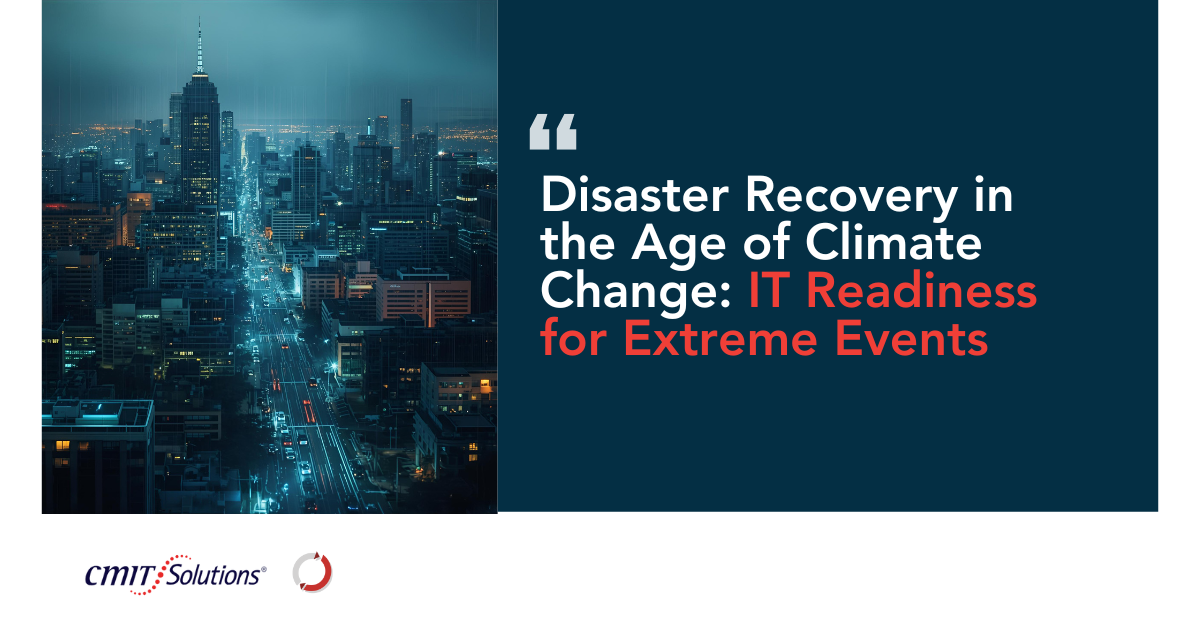
Extreme weather events are no longer rare. Rising sea levels, wildfires, hurricanes, and heatwaves are reshaping the risk landscape for businesses everywhere—including those in Long Beach. These environmental threats don’t just damage buildings; they disrupt networks, destroy servers, and cut off access to critical data.
For small and midsized businesses (SMBs), climate-driven disasters make disaster recovery (DR) planning a top priority. Modern IT strategies can protect data, keep operations running, and ensure long-term resilience, even when nature delivers its worst.
1. Climate Change Meets IT Risk
Climate change is amplifying natural hazards. Prolonged droughts spark wildfires, heavy rains flood data centers, and heatwaves strain power grids. For SMBs, the consequences include:
- Power outages that crash servers and interrupt operations.
- Flooding that damages local hardware and wiring.
- Network failures that cut off cloud access and communication.
These risks highlight the need for comprehensive proactive support to identify vulnerabilities before disaster strikes.
2. Rethinking Disaster Recovery
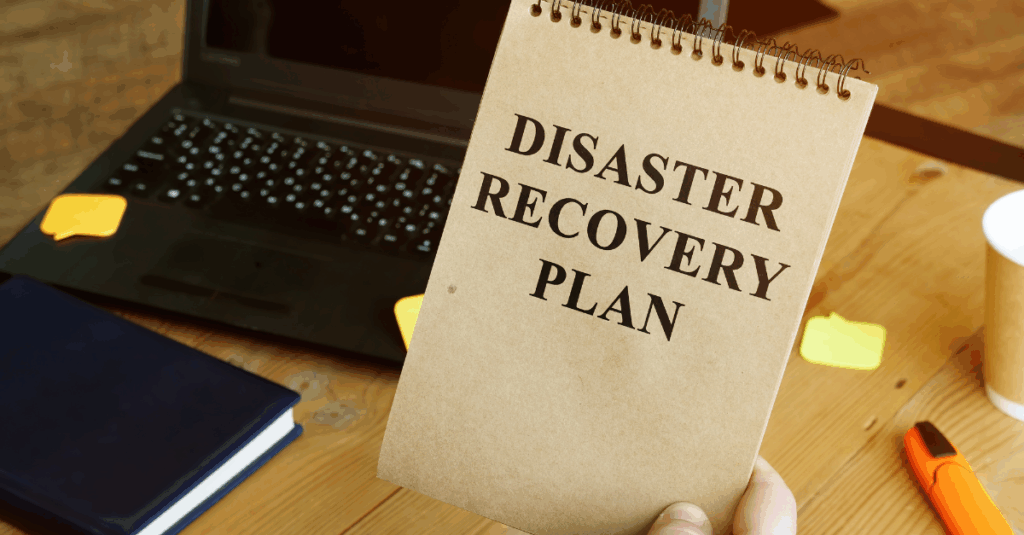
Traditional disaster recovery focused on hardware replacement and local backups. In an era of climate extremes, that’s no longer enough. SMBs must:
- Implement geographically diverse cloud backup to protect data even if one region goes offline.
- Use redundant power supplies and failover systems.
- Monitor real-time weather and infrastructure threats.
A climate-ready DR plan anticipates longer outages and more frequent disruptions than plans of the past.
3. Business Continuity vs. Disaster Recovery
Many SMBs confuse business continuity with disaster recovery. DR focuses on restoring IT systems after an event, while business continuity ensures that critical operations continue during the crisis. Both require careful planning. CMIT Solutions provides transforming support that combines proactive monitoring with continuity strategies for uninterrupted service.
4. The Cloud as a Lifeline
Cloud computing is the backbone of modern DR. Secure, off-site data storage allows businesses to maintain operations even when physical offices are inaccessible.
By leveraging CMIT’s managed cloud services, SMBs can:
- Replicate critical files across multiple data centers.
- Access data remotely from unaffected regions.
- Scale resources quickly to support recovery efforts.
Cloud-based strategies also simplify compliance and reduce the cost of maintaining on-premises infrastructure.
5. Cybersecurity During Chaos
Disasters create opportunities for cybercriminals. Phishing emails posing as emergency updates, ransomware targeting vulnerable networks, and insider threats can emerge when teams are distracted. Adopting a zero trust framework ensures every login and device is verified—reducing the risk of breaches during and after an extreme event. Strong authentication and real-time threat detection protect businesses when human oversight is stretched thin.
6. Compliance in a Changing Climate
Industries such as healthcare and finance must meet strict regulations for data protection, even during disasters. Failure to secure sensitive information can lead to fines and reputational damage. CMIT offers tailored IT compliance services that help SMBs maintain regulatory standards while implementing disaster recovery strategies.
7. AI and Predictive Analytics
Artificial intelligence is becoming a vital tool for climate-ready IT planning. AI algorithms analyze weather patterns, infrastructure performance, and network traffic to predict disruptions before they occur. CMIT integrates advanced AI tools to forecast outages, automate responses, and optimize resource allocation during recovery.
8. Employee Training and Communication
Even the best technology fails without human readiness. Employees should know how to:
- Access emergency communication channels.
- Follow data-handling protocols during evacuations.
- Recognize phishing attempts in the aftermath of a disaster.
CMIT provides engaging security training to ensure teams stay alert and prepared under pressure.
9. Local Partnerships for Rapid Response
Technology is critical, but local relationships matter too. Working with a managed service provider ensures immediate, on-the-ground support when extreme events strike. Businesses that combine local expertise with advanced planning can respond faster and limit downtime. That’s why many SMBs partner with CMIT for proactive support and continuous monitoring.
10. Testing and Continuous Improvement
A disaster recovery plan isn’t complete until it’s tested. Regular simulations reveal weaknesses in backup systems, communication protocols, and failover processes. Post-event reviews help businesses refine strategies for future challenges, ensuring that lessons learned become actionable improvements.
Conclusion: Resilience in a Warming World
Climate change is rewriting the rules of risk management. SMBs in Long Beach can no longer rely on outdated backup plans or hope for the best. By embracing secure cloud solutions, adopting zero trust security, training employees, and using AI-driven analytics, businesses can stay operational even when extreme weather threatens to shut them down.
With CMIT Solutions of Long Beach as a partner, disaster recovery becomes more than an emergency response it becomes a competitive advantage.