For years, businesses have relied on centralized cloud servers to process and store data. But with the rise of Internet of Things (IoT) devices, real-time analytics, and mobile workforces, sending every piece of data back to distant data centers is no longer efficient. Edge computing changes that by processing information closer to where it’s created whether that’s a retail shop, a warehouse, or an employee’s mobile device.
For small and midsized businesses (SMBs) in Long Beach, edge computing isn’t just a tech buzzword. It’s a practical way to boost speed, strengthen security, and gain insights faster than traditional cloud-only solutions.
1. The Basics: What Is Edge Computing?
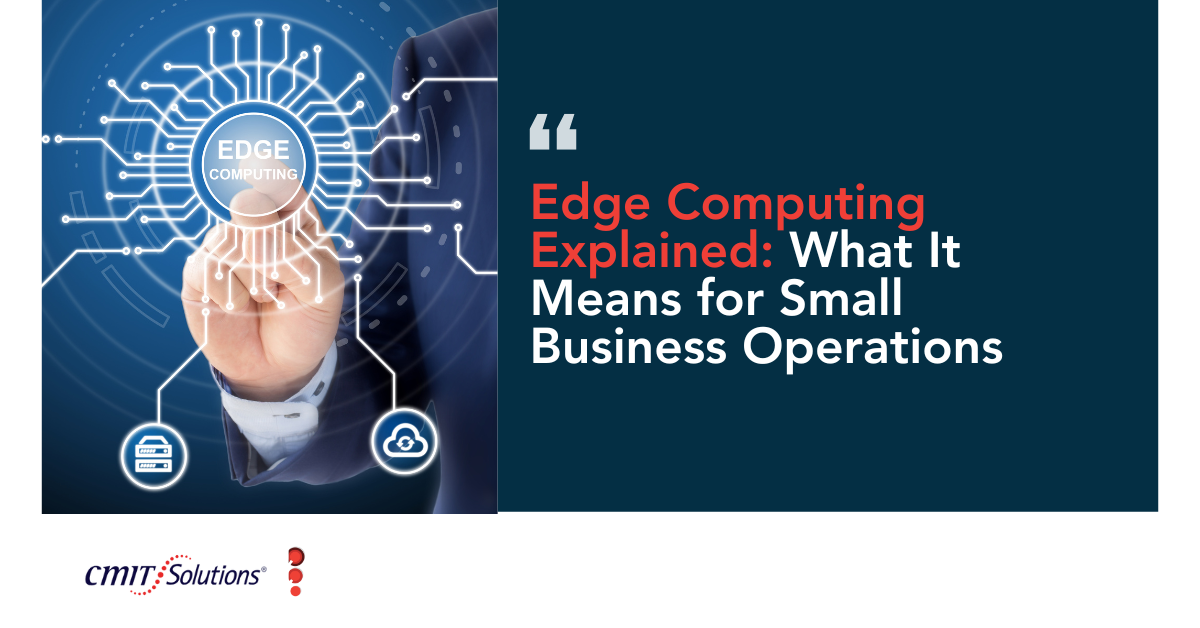
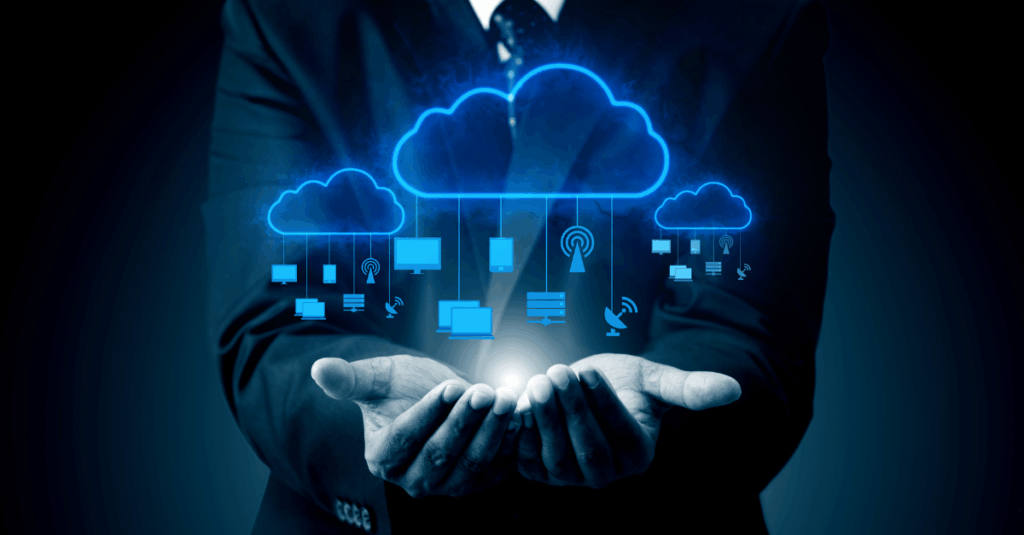
Edge computing moves data processing from centralized servers to the “edge” of the network, closer to the devices that generate the data. Instead of routing every transaction to a faraway data center, smart routers, sensors, or local servers handle immediate tasks before syncing with the cloud.
Key benefits include:
- Reduced latency for real-time responses.
- Lower bandwidth use because less data travels long distances.
- Improved reliability in areas with unstable internet connections.
This architecture does not replace the cloud. Businesses still rely on secure cloud services for storage and long-term analytics, but critical decisions happen locally.
2. Why Edge Matters for SMBs
Large enterprises aren’t the only ones that benefit from faster processing. SMBs can use edge computing to:
- Run point-of-sale systems without internet delays.
- Manage smart inventory sensors for real-time stock updates.
- Power customer-facing kiosks or apps that require instant feedback.
These capabilities allow smaller businesses to compete with bigger rivals especially when paired with AI-driven analytics and proactive IT support. With cyberattacks on the rise, understanding cyber threats is key to protecting these new endpoints.
3. Real-World Scenarios
Edge computing isn’t theoretical—it’s already transforming operations across industries:
- Retail: Local servers analyze foot traffic to optimize product placement.
- Healthcare: Clinics process patient data in-office for faster treatment while staying HIPAA compliant.
- Manufacturing: Sensors on equipment detect failures before they happen.
Each scenario shows how edge technology shortens decision-making time and reduces reliance on distant data centers.
4. Security Considerations
Processing data closer to its source improves performance but also introduces new attack surfaces. SMBs must secure every device, from routers to IoT sensors. Recommended measures include:
- Continuous monitoring with proactive support to catch anomalies early.
- Encryption of data at rest and in transit.
- Strong authentication to prevent unauthorized access.
A zero trust framework ensures that every device and user is verified before gaining access to critical data.
5. Compliance and Data Privacy
Processing data locally can simplify compliance by keeping sensitive information on-site, but it also requires careful management. Industries like healthcare and finance must meet strict standards for storage and reporting. CMIT Solutions offers IT compliance services that help SMBs maintain audit-ready systems and meet evolving regulations without sacrificing performance.
6. Edge + Cloud: A Hybrid Strategy
Edge computing doesn’t eliminate the need for the cloud—it enhances it. The smartest SMB strategies use a hybrid model:
- Edge devices handle time-sensitive processing.
- Cloud servers manage long-term storage, advanced analytics, and backups.
Reliable cloud backup ensures that critical information remains safe even if local devices fail.
7. AI at the Edge
Artificial intelligence becomes even more powerful when combined with edge computing. AI algorithms can analyze data right where it’s generated, enabling:
- Predictive maintenance for equipment.
- Instant fraud detection at payment terminals.
- Real-time personalization for customer experiences.
CMIT integrates advanced AI tools to help SMBs make faster, smarter decisions.
8. Employee Training and Culture
Edge computing introduces new devices, processes, and security protocols. Employees must understand how to handle data responsibly and recognize risks.
CMIT provides engaging security training programs to educate staff on managing edge systems, spotting suspicious activity, and following best practices.
9. Implementation Challenges
While the benefits are significant, SMBs should plan carefully to avoid pitfalls:
- Device management across multiple locations.
- Integration with existing cloud applications.
- Cost control when deploying large numbers of sensors or local servers.
Partnering with a trusted IT provider makes deployment smoother. Local businesses are already transforming support with CMIT to streamline installation, maintenance, and security.
10. Future-Proofing Your Business
Edge computing sets the stage for innovations like 5G, autonomous vehicles, and smart city infrastructure. Preparing now gives SMBs the agility to adopt emerging technologies without costly overhauls. CMIT ensures readiness with continuous monitoring, managed detection, and expert proactive support that keeps systems secure as technology evolves.
Conclusion: Bringing Computing Closer to the Action
Edge computing is more than a technical upgrade—it’s a strategic move that allows small businesses to work faster, respond in real time, and protect sensitive data. By combining edge processing with secure cloud infrastructure, strong compliance practices, and employee education, SMBs in Long Beach can compete with larger enterprises while staying agile and cost-effective. With CMIT Solutions of Long Beach as a partner, your business can embrace edge computing confidently turning advanced technology into a practical advantage for everyday operations.