Introduction: The Remote Shift and the Security Void
When the world transitioned to remote and hybrid work models seemingly overnight, small and medium-sized businesses (SMBs) found themselves facing both opportunity and risk. While virtual collaboration offered new agility, it also exposed vast vulnerabilities in endpoint security. Laptops, smartphones, tablets, and even smart home networks connected to corporate systems became new threat vectors overnight.
For SMBs in regions like Long Beach, where innovation and entrepreneurship thrive, the urgency to adapt has been immense. But many are still lagging behind. Cybercriminals, ever adaptive, now target SMBs more than ever before because they tend to lack robust IT defenses.
The Critical Role of Endpoint Security
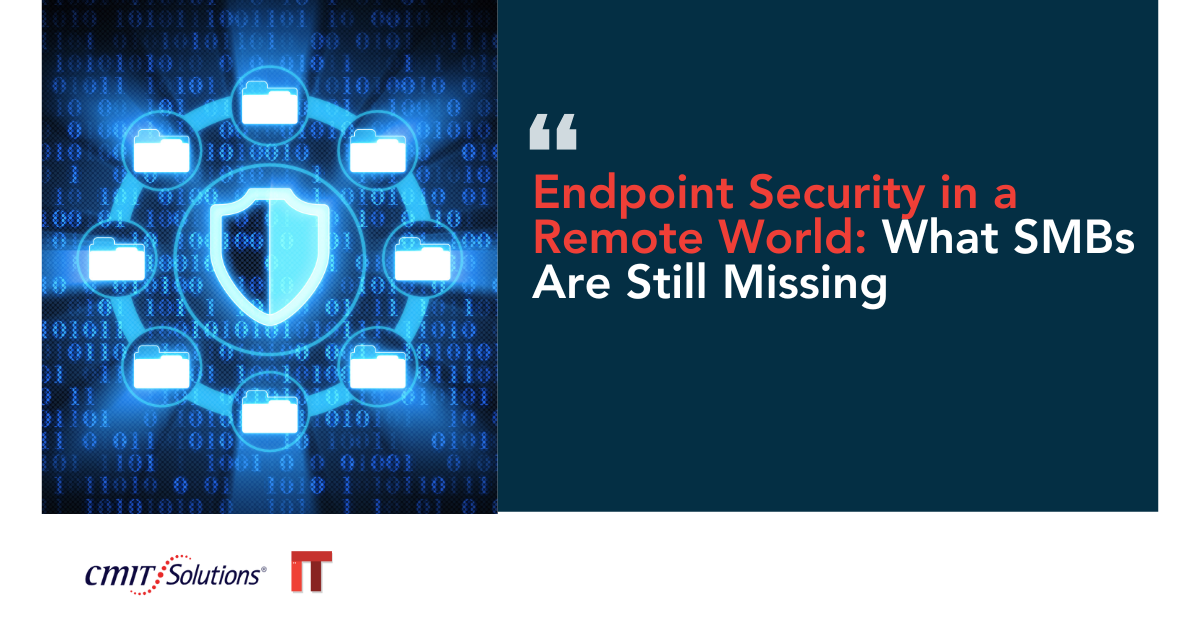
Endpoint security is no longer optional. Every device connecting to your business network is a potential doorway for attackers. In a decentralized work environment, unprotected endpoints become weak links that can compromise sensitive business data, customer records, and compliance posture.
However, endpoint protection isn’t just about antivirus software anymore. It’s a dynamic, evolving ecosystem that integrates artificial intelligence (AI), threat detection, real-time response, and compliance safeguards. As cyber threats in Long Beach continue to rise, businesses need a new mindset, one that sees endpoint security as a business enabler, not just an IT checkbox.
The Evolving Threat Landscape for SMBs
Threat actors now employ ransomware, phishing-as-a-service, AI-driven social engineering, and zero-day exploits. For SMBs, a single breach can mean total shutdown. The 2024 data reveals that over 60% of SMBs hit by a cyberattack close within six months. Alarmingly, many of these attacks begin with a compromised endpoint.
In Long Beach, where industries like healthcare, logistics, retail, and tech startups flourish, the need to understand modern threats is paramount. Cyberattack wake-up calls have already served as harsh lessons for many. But instead of reacting post-incident, proactive planning can make all the difference.
Why Legacy Security Fails in a Remote Environment
Traditional on-premise security models centered on firewalls and perimeter defenses fall short in a remote-first world. Once endpoints operate outside the company’s secured network, older tools lose visibility and control. This blind spot is what many attackers exploit.
Additionally, remote teams often rely on public Wi-Fi, personal devices, and unencrypted applications, further weakening endpoint defense. SMBs using outdated antivirus programs, weak passwords, or non-managed tools are especially vulnerable.
To mitigate these risks, adopting managed solutions like AI security for Long Beach businesses has become essential.

What SMBs Are Still Missing
While awareness has grown, key gaps remain. Here are areas where most SMBs fall short:
- Unified Device Management: Too many companies lack centralized visibility into who is accessing what data, from which device, and from where. Without endpoint visibility, detection becomes reactionary.
- Zero Trust Architecture: SMBs often still use trust-based access controls, where authenticated users are assumed secure. Zero Trust requires ongoing verification of identity and device hygiene before granting access.
- Patch Management: Delayed or inconsistent software updates create known vulnerabilities. Many SMBs don’t have an automated system to ensure all devices are current.
- Employee Training: Human error remains the biggest risk. Despite this, cybersecurity training is often one-and-done. Modern training must be continuous, gamified, and relevant to the current threat landscape.
- Cloud Misconfigurations: With the rise of hybrid work, cloud usage has surged. However, misconfigured settings, especially on shared platforms, expose endpoints. Cloud security and flexibility must go hand in hand.
- Lack of EDR & MDR Tools: Endpoint Detection and Response (EDR) and Managed Detection and Response (MDR) tools allow real-time monitoring and mitigation of threats. Many Long Beach SMBs still rely on reactive systems rather than intelligent cybersecurity solutions.
Harnessing AI for Smarter Endpoint Security
Artificial Intelligence has emerged as a game-changer in endpoint defense. Tools now analyze behavioral data to identify anomalies, flag suspicious patterns, and trigger automated containment.
Solutions that integrate AI can preemptively stop threats before they escalate. For example, AI can detect if a user’s behavior differs from their normal pattern and immediately restrict access or escalate for review.
SMBs leveraging AI innovation in Long Beach are already seeing reduced incident response times and better threat containment.
The Role of Managed Services in Closing the Gaps
Many SMBs lack in-house resources to manage 24/7 monitoring, patch updates, and incident response. This is where managed IT support in Long Beach proves invaluable. Managed Service Providers (MSPs) offer scalable, expert-led endpoint protection, often with flat-rate pricing models.
MSPs implement best-in-class practices, perform audits, ensure compliance, and integrate endpoint solutions that evolve with the threat landscape.
Importance of Network Visibility
No endpoint security strategy can succeed without complete network visibility. SMBs must know which devices are connected, whether they are updated, and what files or systems they interact with.
With network management in Long Beach, SMBs can enforce access policies, segment risky users, and receive alerts when something unusual occurs.
Strengthening Authentication and Access Control
Passwords alone are no longer sufficient. Many breaches begin with compromised credentials. Moving to passkeys and stronger authentication mechanisms can drastically reduce exposure.
Multi-factor authentication (MFA), biometrics, device certificates, and session-based authorization must be part of every endpoint security plan.
Cloud Endpoint Integration
Remote environments often depend on cloud-hosted applications and storage. Without endpoint-level encryption and monitoring, data leakage becomes a real concern.
Cloud backups and recovery offer an essential layer of protection, ensuring data can be restored even if devices are compromised.
Compliance Considerations
Industries like healthcare, finance, and legal services must maintain strict data compliance. In remote work settings, maintaining HIPAA and compliance mandates gets harder. Encryption, access logs, secure storage, and continuous risk assessments become non-negotiable.
Long Beach healthcare providers, in particular, must adhere to heightened security and privacy regulations. Endpoint protection tailored to these needs is essential.
Building a Culture of Cybersecurity
Endpoint security isn’t just a technical challenge; it’s cultural. SMBs must embed cybersecurity into every department’s daily habits. From leadership to interns, everyone should understand their role in maintaining endpoint hygiene.
Cyber resilience grows stronger when security becomes a shared responsibility. Leadership must champion this effort, reinforcing protocols and incentivizing compliance.
Strategic Recommendations for SMBs
To ensure robust endpoint protection in today’s remote-first landscape, Long Beach businesses should prioritize:
- Deploying AI-powered endpoint protection platforms
- Partnering with MSPs for comprehensive IT support
- Implementing Zero Trust frameworks
- Conducting quarterly security training and simulated phishing attacks
- Ensuring regular data backups to the cloud
- Conducting endpoint audits every 30 days
- Creating BYOD (Bring Your Own Device) policies
- Adopting strong access control and identity authentication protocols
Future Outlook: Remote Work Is Here to Stay
Remote and hybrid work are not temporary. They are the future of work. SMBs in Long Beach must view this shift not as a disruption but as an opportunity to reinvent their IT frameworks.
Those who invest in endpoint security today will be better prepared to scale, adapt, and survive whatever threats tomorrow may bring.
Incorporating AI, Compliance, and Unified Tools
Cybersecurity strategies must go beyond piecemeal solutions. Integrating AI, EDR, and secure communications into a single pane of glass simplifies management.
Tools that offer unified communications, endpoint visibility, and intelligent alerting allow IT teams to respond faster, prevent breaches, and reduce fatigue from alert overload.
How CMIT Solutions of Long Beach Can Help
At CMIT Solutions of Long Beach, we specialize in securing endpoints across complex environments. From mobile teams to hybrid healthcare setups, our customized services offer:
- AI-driven threat detection
- Secure cloud infrastructure
- Real-time response to threats
- Full compliance management
- Strategic IT consulting
Whether you’re navigating compliance with healthcare regulations or building an agile remote-first infrastructure, we bring local expertise and enterprise-grade solutions to the table.
Explore how we’re preventing data breaches with AI and helping clients stay ahead of the curve with tools like unified endpoint protection, automated patch management, and secure application hosting.
Conclusion: Secure Your Endpoints, Secure Your Future
In today’s remote-first, cloud-powered world, endpoint security must be a strategic priority. Cyberattacks are growing in frequency and sophistication, and SMBs are no longer off the radar.
To protect business continuity, customer trust, and compliance posture, investing in modern, intelligent, and managed endpoint security is no longer optional—it’s essential.
CMIT Solutions of Long Beach is your partner in this transformation. Let’s work together to ensure every device, every user, and every file is protected, no matter where your team works.
Ready to take the next step in securing your endpoints? Contact CMIT Solutions of Long Beach today to schedule a security assessment tailored to your business needs.