1. What Are Passkeys?
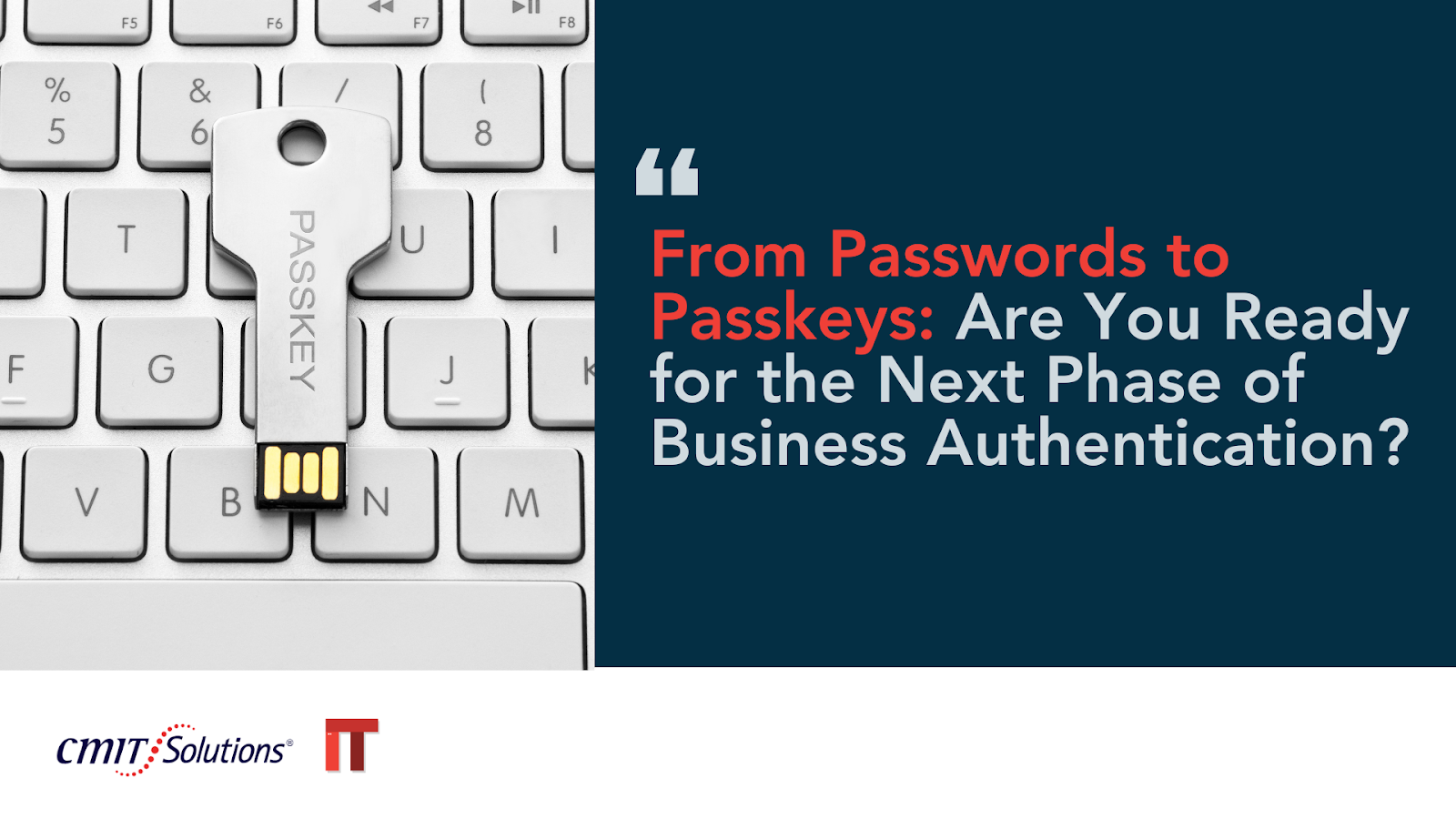
Passkeys are cryptographic credentials that replace traditional passwords. They are stored on your device and authenticated using biometrics like fingerprints or facial recognition. Unlike passwords, passkeys are not shared with websites, which makes them significantly more secure.
As businesses shift towards more seamless digital experiences, passkey-based authentication is emerging as a modern replacement for passwords, offering increased usability and protection against phishing and brute force attacks.
2. Why Are Passwords Becoming Obsolete?
Passwords have been the standard for decades, but their vulnerabilities are well-documented. From simple password reuse to poor complexity and susceptibility to social engineering, traditional password systems have become a major security risk.
Major cyberattacks highlight how credentials are often the first line of defense attackers bypass. With passkeys, even stolen credentials can’t be reused because they are tied to the user’s device and identity.
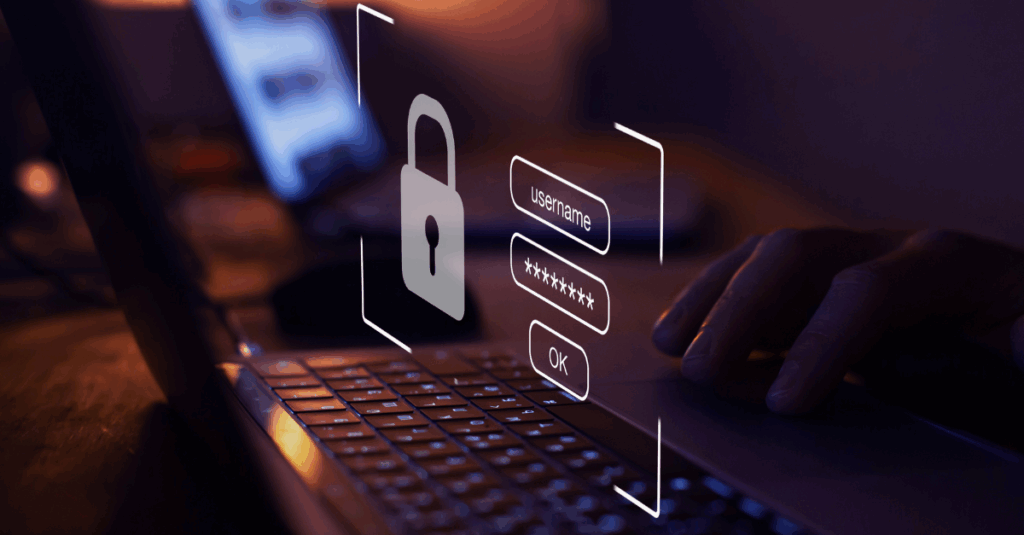
3. How Do Passkeys Work in Business Environments?
In a business setting, passkeys allow employees to log in without typing or remembering anything. They use device-based cryptographic keys that confirm identity through biometrics or device PINs. This eliminates password fatigue and enhances both security and efficiency.
Companies leveraging smart technology are seeing how passkeys can simplify authentication across cloud platforms and business applications.
4. The Business Benefits of Switching to Passkeys
Switching to passkeys comes with multiple operational advantages:
- Reduced IT support calls related to password resets
- Stronger protection against phishing and ransomware
- Improved compliance with industry regulations
- Faster login processes for remote and hybrid teams
As cybersecurity threats evolve, adopting a passwordless strategy helps reduce human error and insider threats, while streamlining access management.
5. What If You Don’t Upgrade?
Businesses that continue relying on passwords face a mounting risk. Credential stuffing, brute-force attacks, and phishing are increasing in sophistication. Maintaining outdated authentication systems can also lead to compliance violations and breach-related fines.
Organizations unprepared for this shift may fall behind competitors who are embracing AI-powered security and smarter access controls.
6. How to Transition to Passkeys
Transitioning doesn’t require overhauling your entire system overnight. Start by enabling passkey support in your identity providers like Microsoft or Google. Introduce it in stages, focusing on critical systems and high-risk departments first.
Additionally, invest in platforms that offer support for passkeys alongside multi-layered cybersecurity such as EDR, SIEM, and MDR solutions.
7. Passkeys and AI: A New Frontier in Cybersecurity
AI plays a critical role in identifying and mitigating threats at scale. By combining AI threat detection with passkey authentication, businesses can move toward a truly proactive security model.
AI innovation is changing the way we think about access and authorization. Passkeys add a physical and biometric element that AI systems can verify and cross-reference in real-time.
8. Why SMBs Need Managed IT Services
Small businesses often lack the in-house expertise to implement passkeys effectively. A managed IT provider helps bridge this gap by offering:
- Strategic guidance on technology adoption
- Ongoing monitoring of endpoint access
- Secure cloud integration
- Tailored staff training
This ensures security upgrades like passkeys are implemented correctly and maintained consistently.
9. Integrating Passkeys with Cloud and Backup Services
Security doesn’t stop at authentication. Integrating passkeys with cloud services ensures secure file access and collaboration. Pairing this with encrypted cloud backups further reduces breach impact, even if devices are compromised.
10. Compliance and Future-Proofing
Regulations like HIPAA, GDPR, and CCPA are becoming stricter about credential protection. Passkeys can help meet these requirements by ensuring non-repudiation and multi-factor validation.
Businesses seeking long-term sustainability must future-proof their access strategies. That includes working with providers that offer compliance support and evolving tools like passwordless authentication.
Conclusion
The shift from passwords to passkeys is more than a tech trend — it’s a necessity. With cyber threats rising and compliance demands growing, businesses must upgrade their authentication strategies to stay competitive.
By embracing passkeys, SMBs can reduce risk, simplify access, and future-proof their systems. Partnering with experts like CMIT Solutions of Long Beach ensures smooth implementation and continued protection.
Let go of the password burden. The next phase of business authentication is already here — and it’s smarter, safer, and built for today’s digital world.