What Is a Digital Twin?
A digital twin is a virtual representation of a physical object, system, or process. It uses real-time data and simulations to mirror the performance, behavior, and changes of its real-world counterpart. This concept isn’t entirely new—NASA has used basic versions of digital twins since the Apollo missions—but advances in AI, IoT, and cloud computing have made them highly scalable and widely accessible.
In essence, a digital twin is more than a 3D model; it’s a living, evolving entity that updates in real time. Whether used in manufacturing, construction, or healthcare, it enables predictive analysis, operational optimization, and innovation.
How Digital Twins Work
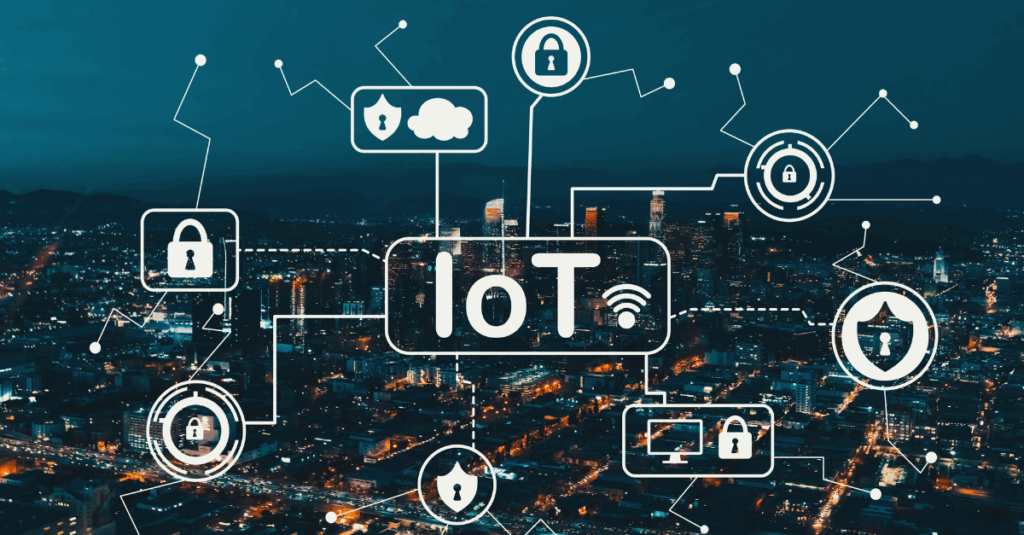
Digital twins operate by gathering data from IoT sensors and edge devices installed on physical assets. This data flows into analytics platforms powered by AI and machine learning. The virtual model receives constant updates, reflecting changes as they happen in real time.
For example, a digital twin of a factory machine can simulate wear and tear, predict failure points, and recommend preventive maintenance. These predictions are then used to schedule service before actual breakdowns occur.
Benefits for Maintenance
Predictive maintenance is one of the most significant advantages of digital twins. Instead of relying on routine schedules or reactive fixes, businesses can proactively address issues. This reduces unplanned downtime and extends asset life.
- Detect issues early through real-time data
- Reduce maintenance costs and manual inspections
- Extend equipment lifespan with optimized performance
Digital twins make it easier to implement ransomware resilience strategies because they help identify system vulnerabilities before they become attack vectors.
Impact on Manufacturing
In manufacturing, digital twins are a game-changer. From simulating entire production lines to optimizing supply chain logistics, they provide a digital sandbox for innovation. Engineers can test design tweaks in the virtual model without risking disruption to actual operations.
Moreover, integrating AI innovation with digital twins enhances quality control, reduces energy consumption, and increases speed to market.
Applications in Other Industries
Beyond manufacturing, digital twins are finding roles in healthcare, smart cities, and retail. In healthcare, digital twins of organs or systems are used to model patient-specific conditions and treatment outcomes.
For cities, infrastructure management can be revolutionized using real-time digital replicas. This includes modeling traffic, utilities, and energy use to enhance service delivery and sustainability.

Cybersecurity Considerations
With the constant exchange of real-time data, digital twins introduce new vulnerabilities. It’s crucial to deploy advanced threat protection and ensure compliance with cybersecurity protocols.
Leveraging zero trust frameworks can reduce risk by verifying every device and user before granting access to sensitive data and models.
Cloud and Data Integration
Most digital twins rely heavily on the cloud for data storage and real-time processing. Businesses must choose cloud services that support secure and scalable data flow between physical assets and their digital counterparts.
Additionally, using network management tools ensures that latency and data integrity are not compromised, especially in complex industrial environments.
Why SMBs Need Managed IT Services
For small and midsize businesses, adopting digital twin technology without expert IT support can be risky. Managed IT services help integrate these tools securely, ensure regular updates, and provide ongoing support.
With threats like cyberattack wake-up calls becoming more frequent, a managed services partner ensures proactive monitoring and disaster recovery planning.
Potential Pitfalls and Challenges
While the benefits are vast, digital twins require a strong foundation in data governance. Without proper protocols, there’s a risk of inaccurate modeling and flawed decisions. Businesses must also account for integration complexity, cost of implementation, and employee training.
This is where a compliance strategy helps ensure data is secure, well-documented, and used ethically.
The Future of Digital Twin Technology
As AI and machine learning become more sophisticated, digital twins will grow more predictive and autonomous. They’ll be able to identify new opportunities, alert stakeholders to hidden inefficiencies, and even take corrective action automatically.
Combining digital twins with unified communications can streamline operations across multiple teams, enabling real-time feedback loops.
Conclusion
Digital twins are not just a futuristic trend—they’re a strategic asset reshaping industries. Whether you’re managing a fleet of machines, monitoring a supply chain, or analyzing patient outcomes, these real-time virtual replicas offer insight and agility that can’t be matched.
To harness their full power, SMBs must invest in the right IT framework, cybersecurity tools, and expert support. With the help of CMIT Solutions of Long Beach, businesses can unlock the full potential of digital twin technology, from enhanced productivity to competitive edge.
Whether it’s securing your digital models, enabling AI-powered innovation, or maintaining IT compliance, digital twins are set to become a core part of the digital transformation journey for modern enterprises.