In today’s technology-driven business environment, even a short period of IT downtime can have serious consequences. When systems go offline, employees cannot work efficiently, customers may lose access to services, and businesses can quickly lose revenue. For small and growing companies, unexpected technology disruptions can be particularly damaging because they often lack the resources to recover quickly.
Many downtime incidents occur because businesses rely on reactive technology management. They wait until systems fail before addressing problems. Smart technology planning takes a different approach by focusing on proactive strategies that prevent issues before they disrupt operations.
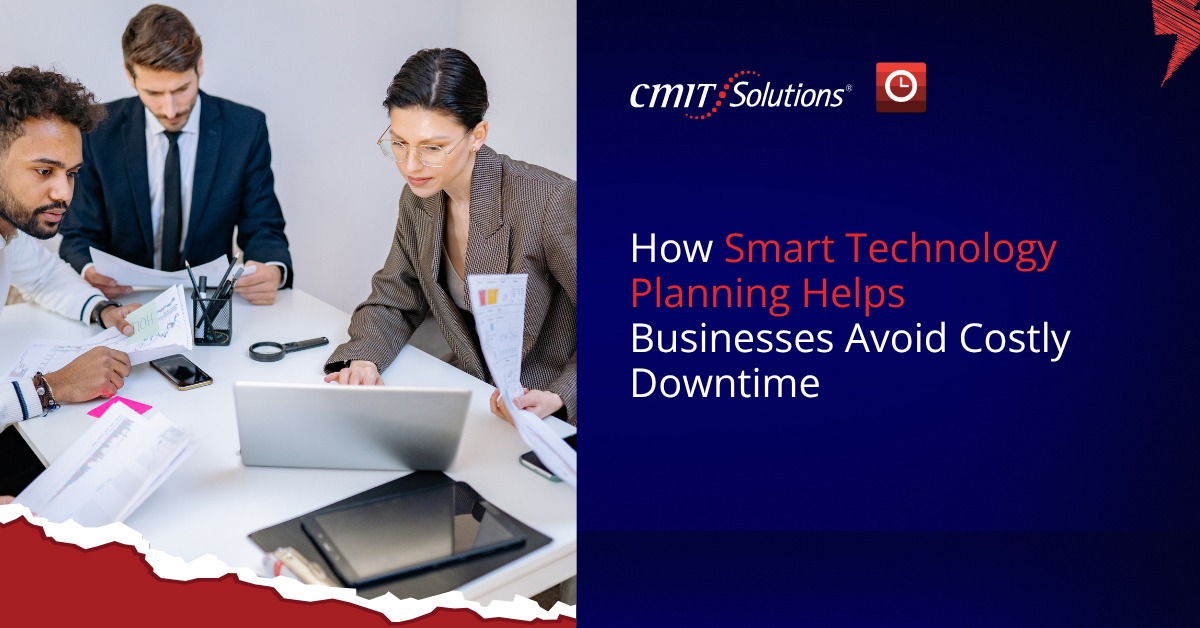
By investing in strategic IT planning, businesses can build resilient technology environments that minimize downtime, improve performance, and support long-term growth.
Understanding the True Cost of Downtime
IT downtime refers to any period when systems, networks, or applications become unavailable or fail to perform properly. While some disruptions may last only a few minutes, others can impact operations for hours or even days.
Downtime affects businesses in several ways, including:
- Loss of employee productivity
- Missed sales opportunities
- Interrupted customer services
- Delayed business operations
- Damage to company reputation
For businesses that rely on digital systems to manage operations, downtime can quickly become expensive. This is why organizations are investing more in proactive managed IT services that monitor systems and address potential issues before they cause disruptions. Many businesses also focus on downtime cost reduction to prevent avoidable losses.
Why Downtime Happens in Growing Businesses
Downtime often occurs when technology systems fail to keep up with business growth. As companies expand, they rely on more applications, store more data, and support larger teams.
Without proper planning, these demands can overwhelm existing systems.
Some of the most common causes of downtime include:
- Outdated hardware or software
- Poor network performance
- Lack of system monitoring
- Cybersecurity incidents
- Human errors or configuration mistakes
Businesses that adopt structured IT consulting services can identify these risks early and develop technology strategies that prevent problems before they occur. Many companies use smart tech planning to stay ahead of growth-related challenges.
Planning ahead ensures that infrastructure, software, and security measures evolve alongside the business.
Proactive Infrastructure Planning
One of the most important aspects of technology planning is building infrastructure that can support long-term growth. Many businesses initially rely on basic systems that work well for small teams but struggle as operations expand.
Smart infrastructure planning focuses on scalability. This means implementing systems that can grow alongside the business without causing disruptions.
Companies that adopt cloud infrastructure solutions gain greater flexibility because cloud systems can scale resources such as storage, computing power, and applications as needed.
Scalable infrastructure reduces the risk of system overload and improves reliability across business operations. Businesses building for the future often adopt scalable cloud strategy to support long-term performance.
Continuous System Monitoring Prevents Problems
Technology issues rarely appear suddenly. In many cases, systems show warning signs before a failure occurs.
Smart technology planning includes continuous monitoring that tracks the health and performance of networks, servers, and applications.
Monitoring systems can detect issues such as:
- Unusual network activity
- Hardware performance decline
- Software errors
- Security vulnerabilities
Businesses that implement network management solutions can detect these warning signs early and resolve problems before they escalate. Many organizations now rely on predictive IT monitoring to identify risks sooner.
Continuous monitoring helps maintain stable operations and significantly reduces the likelihood of unexpected downtime.

Strengthening Cybersecurity to Prevent Disruptions
Cybersecurity incidents are a major cause of downtime for businesses. Malware, ransomware, and other cyber threats can shut down systems, block access to files, or compromise critical infrastructure.
Smart technology planning includes strong cybersecurity strategies that protect systems from evolving threats.
Organizations that implement proactive business cybersecurity practices strengthen their defense through:
- Multi-layer security protection
- Threat detection systems
- Regular security updates
- Employee cybersecurity training
Companies that adopt professional cyber security services benefit from advanced monitoring tools that detect suspicious activity before it causes major disruptions. Many are also investing in advanced threat detection to reduce risk.
Preventing cyber incidents is a key part of minimizing downtime and protecting business operations.
Reliable Data Backup and Disaster Recovery
Even with strong technology planning, unexpected incidents can still occur. Hardware failures, natural disasters, or accidental data deletion can disrupt systems and cause data loss.
This is why smart IT strategies include reliable backup and disaster recovery plans.
Businesses that implement data backup solutions ensure that important information is regularly stored in secure locations. If systems fail, data can be restored quickly.
Effective disaster recovery planning allows organizations to:
- Recover files and applications quickly
- Resume operations with minimal downtime
- Protect valuable business data
- Maintain business continuity during emergencies
With a strong recovery strategy in place, businesses can respond to disruptions more efficiently. Many companies strengthen resilience with ransomware recovery planning and business continuity planning.
Supporting Remote and Hybrid Work Environments
Modern businesses increasingly rely on remote and hybrid work environments. Employees often access company systems from multiple locations using laptops, mobile devices, and cloud applications.
While remote work improves flexibility, it also introduces new technology challenges.
Businesses must ensure that employees can access systems securely while maintaining strong performance.
Organizations that adopt business cloud solutions can support remote teams by providing secure, centralized access to data and applications.
Cloud platforms also reduce reliance on local hardware, making systems more resilient and easier to maintain. Many businesses improve this with secure remote access for distributed teams.
Regular System Maintenance and Updates
Many downtime incidents occur because systems are not updated or maintained regularly. Outdated software, missing security patches, and aging hardware can lead to system instability.
Smart technology planning includes routine maintenance to keep systems operating efficiently.
Effective maintenance strategies include:
- Installing software updates and security patches
- Monitoring system performance
- Replacing outdated hardware
- Removing unused applications
Businesses that implement IT performance optimization strategies can improve system speed and reliability while reducing the risk of unexpected failures. Many companies also work on tech debt reduction to improve long-term stability.
Regular maintenance ensures technology environments remain stable and secure.
Strategic Technology Investments
Technology investments should support long-term business goals rather than simply addressing short-term problems.
Smart IT planning helps businesses identify which technologies will deliver the greatest value and support operational efficiency.
Companies that develop a modern IT strategy can make informed decisions about:
- Infrastructure upgrades
- Software platforms
- Cybersecurity solutions
- Digital transformation initiatives
Strategic planning ensures that technology investments align with growth objectives while minimizing operational risks. Many organizations are also exploring future ready roadmap strategies to guide smarter investments.

The Role of Professional IT Management
Many businesses lack the internal resources needed to monitor and manage complex technology environments.
Partnering with experts offering professional IT management allows businesses to maintain reliable systems without overloading internal teams.
Managed IT providers typically offer services such as:
- Continuous system monitoring
- Security threat detection
- Software updates and maintenance
- Technical support for employees
- Data backup and recovery management
These services help businesses maintain stable IT environments and prevent disruptions before they impact operations. Many growing organizations rely on proactive managed services to improve long-term reliability.
Conclusion
Downtime can be one of the most costly and disruptive challenges businesses face. From lost productivity to missed sales opportunities, even short system outages can have a significant impact on operations.
Smart technology planning helps businesses avoid these costly disruptions by focusing on proactive strategies such as scalable infrastructure, continuous monitoring, strong cybersecurity, and reliable data protection.
By implementing a well-structured IT strategy, organizations can build resilient technology environments that support growth while maintaining reliable performance.
If your business wants to reduce downtime and strengthen its technology infrastructure, partnering with CMIT Solutions Long Beach can help you implement smarter IT planning strategies that keep your systems running efficiently and securely. Contact CMIT Solutions of Long Beach.