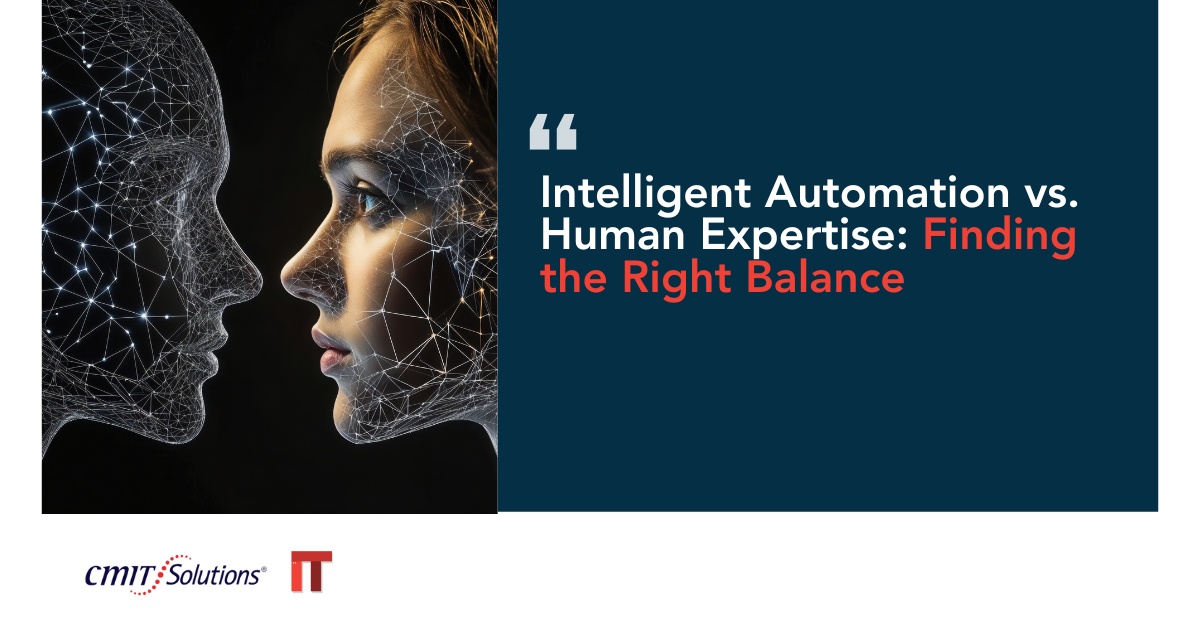
In today’s fast-paced business environment, organizations are increasingly turning to intelligent automation to streamline operations, reduce costs, and improve efficiency. However, human expertise remains a critical component in decision-making, innovation, and problem-solving. Striking the right balance between automation and human involvement is essential for long-term business success.
Understanding Intelligent Automation
Intelligent automation combines artificial intelligence (AI), machine learning, and robotic process automation (RPA) to perform tasks that traditionally required human intervention. These technologies enable businesses to automate repetitive tasks, analyze large datasets, and make informed decisions with minimal human input.
Key Applications:
- Data Processing: Automated systems can handle vast amounts of data faster than humans, reducing errors and improving accuracy. This is crucial for businesses that rely on managed IT services to maintain efficient operations and optimize workflow automation.
- Customer Support: AI-driven chatbots provide instant support while freeing human agents for complex queries, integrating seamlessly with cybersecurity solutions to keep sensitive information protected and prevent data breaches.
- Workflow Automation: Routine tasks such as invoice processing, HR onboarding, and IT management can be streamlined through proactive IT management and cloud file sharing services, helping businesses scale efficiently.
The Role of Human Expertise
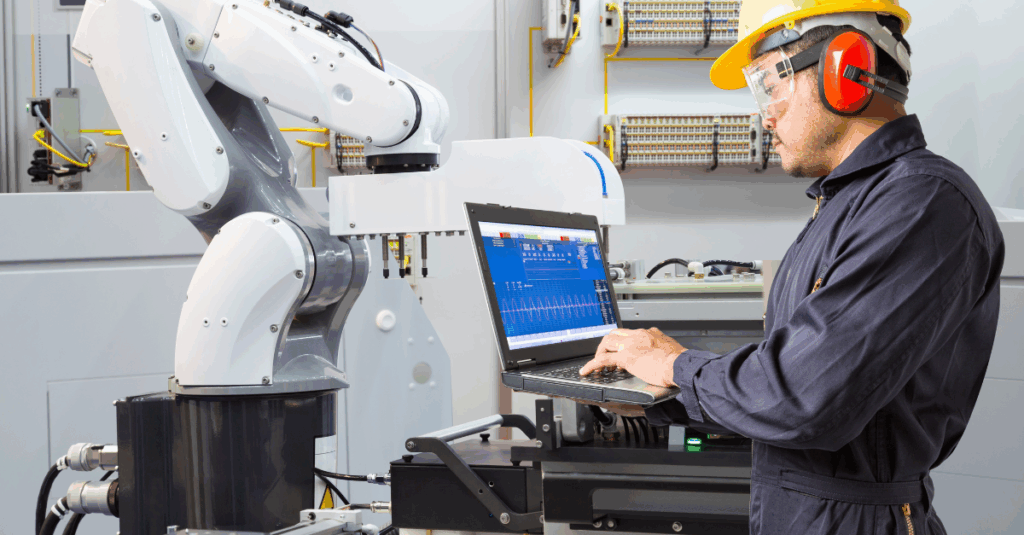
While automation handles repetitive and data-intensive tasks, human expertise is essential for tasks requiring creativity, judgment, and empathy. Human professionals provide insight, strategic thinking, and ethical considerations that AI cannot replicate.
Critical Areas for Human Involvement:
- Decision-Making: Humans interpret complex scenarios and consider long-term implications, helping businesses solve IT challenges and adopt smart technology solutions.
- Problem-Solving: Innovative solutions often require out-of-the-box thinking, which is critical when AI-driven tools are integrated into business processes.
- Relationship Management: Building and maintaining client relationships rely on empathy and interpersonal skills, which are enhanced by unified communications systems for seamless collaboration.
Why SMBs Need Managed IT Services
Small and medium-sized businesses (SMBs) often struggle to balance limited resources with growing technological demands. Managed IT services provide the expertise and infrastructure to leverage both automation and human skill effectively.
Benefits of Managed IT Services:
- Proactive Support: Reduces downtime and prevents costly IT failures through proactive IT management.
- Cybersecurity Protection: Ensures data safety and regulatory compliance, addressing evolving cyber threats in real-time and safeguarding digital assets.
- Scalability: Allows businesses to expand without major IT investments, facilitating smart technology adoption for sustainable growth.
- Access to Expertise: Provides skilled professionals without the overhead of hiring in-house staff, allowing SMBs to focus on core business functions while leveraging cloud security solutions.
Benefits of Combining Automation and Human Expertise
A hybrid approach leverages the strengths of both automation and human input, leading to improved efficiency, reduced errors, and better strategic outcomes.
Advantages:
- Efficiency and Accuracy: Automated systems handle repetitive tasks quickly, allowing humans to focus on high-value work, supported by managed cloud services.
- Enhanced Decision-Making: Humans interpret automated insights, improving accuracy and context, particularly when AI in IT support is applied.
- Cost Savings: Reduces labor costs while maintaining quality, enabling businesses to reinvest in growth and technology.
- Improved Compliance: Combining automation with human oversight ensures better adherence to IT compliance regulations.
Risks of Over-Reliance on Automation
While automation is beneficial, excessive dependence can create vulnerabilities, including:
- Loss of Human Judgment: Critical thinking is reduced, increasing the risk of poor decisions, especially in organizations facing an IT skills gap.
- Security Risks: Automated systems can be targets for cyberattacks if not properly monitored, emphasizing the need for endpoint security and proactive IT management.
- Reduced Innovation: Over-reliance may stifle creativity and adaptability, limiting the potential of AI in the workplace to enhance business processes.
Best Practices for Balancing Automation and Human Expertise
- Identify Core Areas for Automation: Determine repetitive, time-consuming tasks that can be automated, while preserving the role of skilled human oversight in IT management.
- Invest in Employee Training: Ensure staff can work alongside AI tools effectively, boosting tech confidence and operational efficiency.
- Maintain Oversight: Human monitoring is critical for ethical, secure, and accurate operations, reinforced by cybersecurity awareness programs.
- Foster Collaboration: Encourage a culture where automation supports human expertise, rather than replacing it, integrating AI in IT support practices.
How Businesses Can Achieve the Right Balance
- Integrate Intelligent Automation Gradually: Start with small, repetitive processes and expand over time.
- Encourage Human-AI Collaboration: Provide teams with tools and training to leverage AI effectively, supported by proactive IT solutions.
- Measure Impact: Track efficiency, cost savings, and error reduction metrics to evaluate the benefits of automation.
- Maintain Ethical Oversight: Ensure automated decisions align with company values and regulatory standards, using cybersecurity awareness programs to safeguard operations.
Conclusion
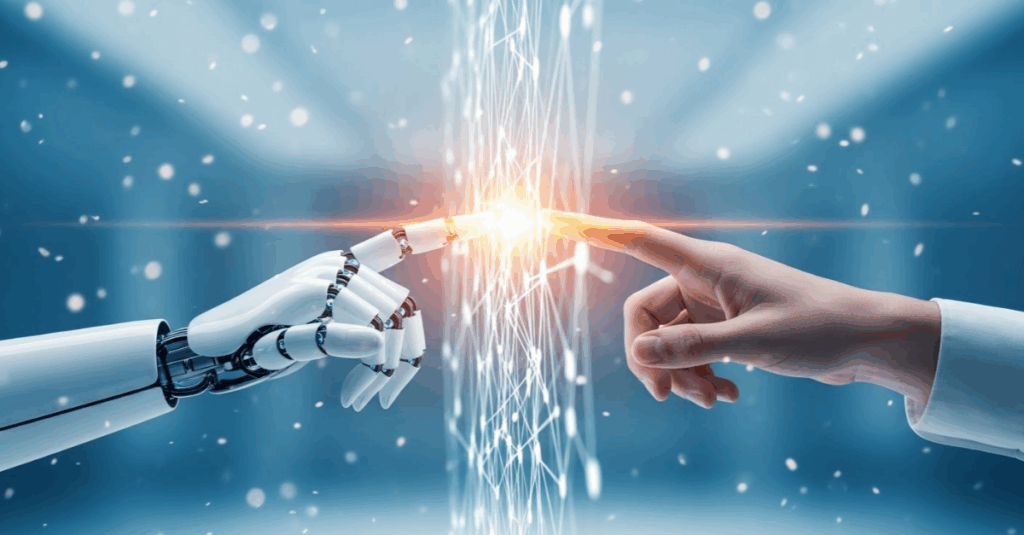
The balance between intelligent automation and human expertise is not about choosing one over the other but about leveraging the strengths of both. Automation enhances efficiency and reduces errors, while human expertise drives innovation, strategic thinking, and relationship management. SMBs that adopt managed IT services, proactive IT strategies, and intelligent automation tools can achieve operational excellence while maintaining the flexibility and insight that only humans can provide.
By strategically integrating automation with human oversight, businesses can ensure security, compliance, and sustainable growth, creating a future-ready organization capable of thriving in a competitive digital landscape.