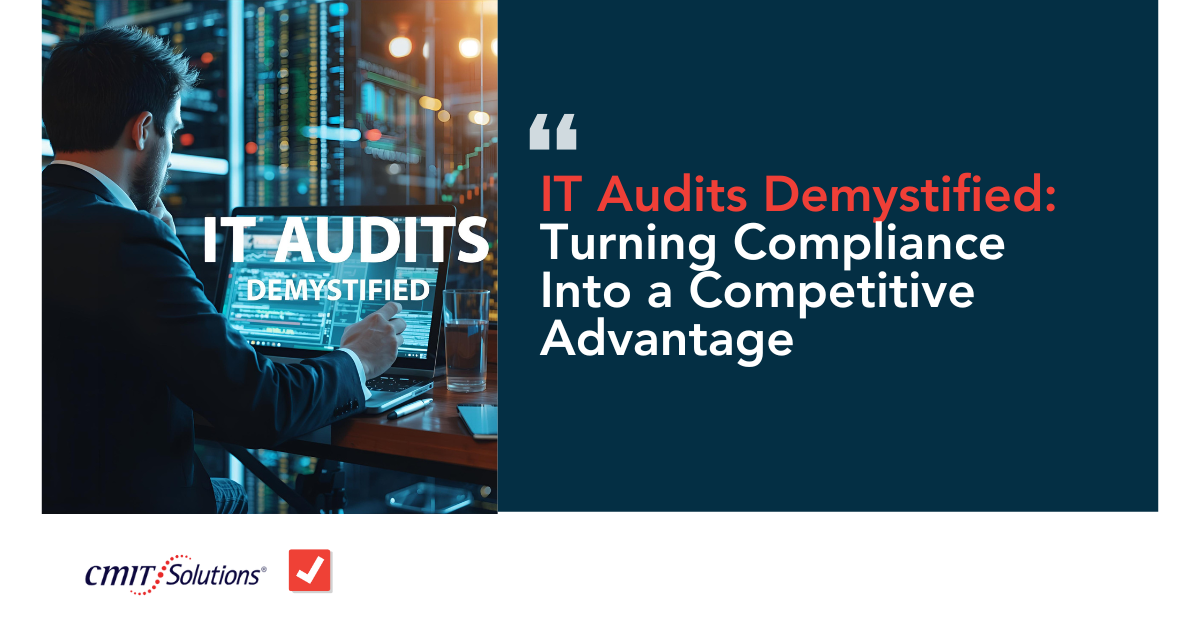
For many small and midsized businesses (SMBs), the word audit sparks anxiety. It often brings to mind late nights, endless paperwork, and the fear of fines. But an IT audit doesn’t have to be stressful or purely defensive. When managed correctly, an IT audit can strengthen security, improve operations, and even give your company a competitive edge.
For SMBs in Long Beach, understanding IT audits is essential to staying compliant with regulations, protecting customer data, and demonstrating trustworthiness to partners and clients.
What Is an IT Audit?
An IT audit is a comprehensive evaluation of an organization’s technology infrastructure, policies, and operations. The goal is to ensure that data is secure, systems are reliable, and regulatory requirements are being met.
A thorough audit examines:
- Network security and access controls
- Data backup and recovery processes
- Software licensing and patch management
- Compliance with standards like HIPAA, PCI DSS, or GDPR
Far from being a bureaucratic exercise, IT audits provide critical insight into the health of your business’s digital ecosystem.

Why IT Audits Matter for SMBs
Small businesses often assume audits are only for large enterprises. In reality, SMBs are prime targets for cyberattacks and regulatory scrutiny.
Unpatched software, weak passwords, and unauthorized cloud apps can all lead to costly breaches. Local companies have already seen how cyber threats exploit small business vulnerabilities.
A well-executed IT audit helps identify these risks before attackers do saving time, money, and reputation.
Key Drivers of IT Compliance
Regulatory requirements are expanding across industries. Healthcare providers must follow HIPAA, retailers face PCI DSS for payment security, and California businesses are subject to the California Consumer Privacy Act (CCPA).
CMIT Solutions provides tailored IT compliance programs that help SMBs meet these obligations without sacrificing productivity.
Turning Compliance Into Opportunity
An IT audit isn’t just about avoiding penalties, it’s a chance to stand out. Companies that can demonstrate strong security controls and clear compliance gain a powerful marketing advantage:
- Clients and partners trust certified businesses with sensitive data.
- Investors see lower risk in well-managed organizations.
- Contracts with larger enterprises often require documented compliance.
This is where proactive auditing transforms from a cost center into a competitive advantage.
Common Audit Challenges
SMBs often face similar hurdles when preparing for an IT audit:
- Shadow IT: Employees using unsanctioned apps introduce hidden risks. Learn how shadow IT can bypass security controls.
- Inconsistent Backups: Data may not be fully recoverable if disaster strikes. Reliable cloud backup is essential.
- Outdated Systems: Legacy hardware and unsupported software create compliance gaps.
- Poor Documentation: Missing logs or incomplete records can delay audits and trigger penalties.
The Role of Managed IT
Audits are easier when systems are already maintained to high standards. A managed service provider ensures regular patching, centralized logging, and secure configurations long before an auditor arrives.
Many local companies are already transforming support with CMIT Solutions to streamline compliance and strengthen security.
Preparing for an IT Audit
Success starts with preparation. Here’s a roadmap for SMBs:
- Assess Current Risks – Identify vulnerabilities with a network assessment.
- Centralize Cloud Services – Use secure cloud services to maintain visibility and control.
- Implement Zero Trust – A zero trust framework ensures every access request is verified.
- Train Employees – Provide ongoing security training so staff recognize phishing and follow best practices.
- Maintain Documentation – Keep logs and policies updated for easy review.
AI and Continuous Monitoring
Today’s audits increasingly look for proof of continuous monitoring not just annual checkups. AI-powered tools can detect anomalies in real time, providing auditable logs and immediate alerts.
CMIT integrates advanced AI tools to automate monitoring, reduce manual effort, and ensure compliance year-round.
Beyond Compliance: Operational Benefits
IT audits don’t just meet regulations—they drive operational improvements:
- Better Data Protection – Regular reviews catch weaknesses before breaches occur.
- Cost Savings – Identifying redundant software or unused licenses lowers expenses.
- Stronger Vendor Relationships – Documented controls make it easier to work with partners and insurers.
Companies that embrace proactive support often find that audits reveal opportunities to streamline operations and cut costs.
Turning Lessons Into Strategy
After an audit, the next step is action. Use the findings to:
- Update policies and procedures.
- Close security gaps with prioritized projects.
- Schedule follow-up assessments to measure progress.
By treating audits as a recurring cycle, SMBs can maintain compliance while continuously improving performance.
Partnering With CMIT Solutions
IT audits require expertise across cybersecurity, cloud management, and regulatory frameworks. CMIT Solutions of Long Beach provides:
- Ongoing network monitoring to maintain audit readiness.
- Secure cloud backup and disaster recovery plans.
- Clear reporting that satisfies auditors and builds client confidence.
With the right partner, audits shift from stressful events to strategic milestones.
Conclusion: From Obligation to Advantage
An IT audit is more than a compliance checkbox; it’s an opportunity to improve systems, prove reliability, and gain a competitive edge. By combining managed IT services, continuous monitoring, and employee education, SMBs in Long Beach can transform audits into a driver of growth and trust.
With CMIT Solutions of Long Beach, your business can approach every audit with confidence knowing your technology is secure, compliant, and ready to impress clients and regulators alike.