Cybersecurity training has long been part of corporate compliance checklists but too often, it fails to create lasting behavioral change. The reality is that in 2025, with cybercriminals using advanced tactics and AI-powered attacks, outdated “watch this video once a year” approaches no longer cut it.
Security Awareness 2.0 is about embedding security into the DNA of your organization. It means building a culture where every employee, regardless of role, knows how to recognize threats, respond effectively, and protect the business’s digital assets every day.
From simulated phishing campaigns to role-specific coaching, modern training is interactive, continuous, and tailored—because the stakes have never been higher.
Why Security Awareness 1.0 Isn’t Enough Anymore
Traditional security training has relied heavily on static presentations or generic online modules. While they satisfy compliance requirements, they rarely create habits that last beyond the session.
As seen in major data breaches, a single careless click on a malicious email can compromise an entire organization. Attackers now leverage:
- Highly targeted spear-phishing that mimics internal communications.
- Deepfake audio or video to impersonate executives.
- AI-crafted phishing emails that bypass traditional spam filters.
Without a training program that reflects these realities, employees are ill-prepared to spot and avoid modern threats.
Core Principles of Security Awareness 2.0
To make cybersecurity training effective—and sticky—modern programs must be:
- Relevant – Content should reflect actual threats your team faces.
- Repetitive – Short, frequent refreshers outperform annual sessions.
- Realistic – Include examples that look and feel like authentic attacks, as in AI security simulations.
- Recognizable – Use consistent cues and branding so employees know what to watch for.
- Rewarding – Positive reinforcement for secure behavior encourages long-term adoption.

The Role of AI in Training Effectiveness
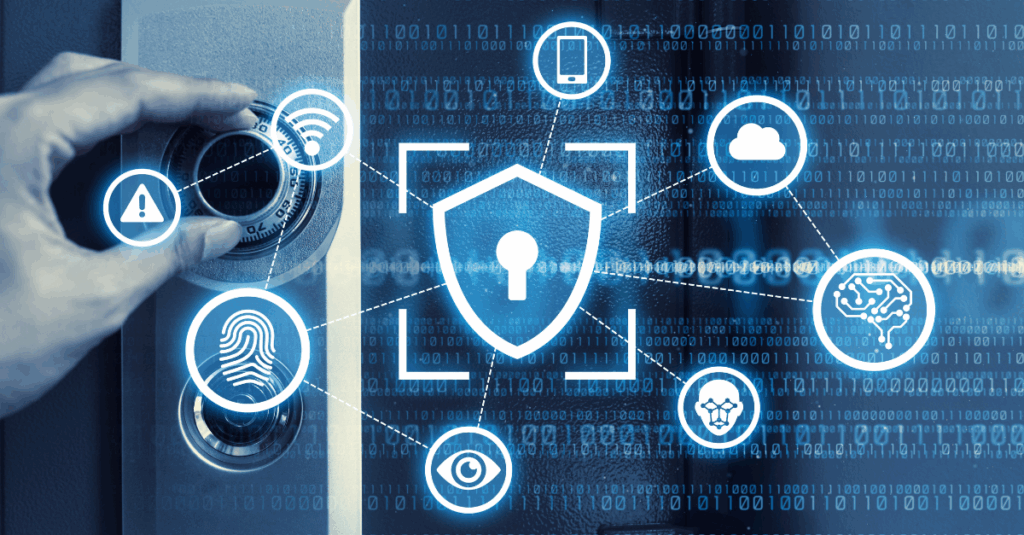
Artificial intelligence isn’t just transforming business it’s reshaping cybersecurity education. AI-driven analytics can identify knowledge gaps across your workforce and tailor micro-trainings for each employee.
For example, if a sales rep repeatedly clicks on suspicious links during tests, AI can assign a quick refresher on safe browsing habits. This adaptive approach mirrors how AI is reshaping business operations by using data to drive precision and efficiency.
Using Real Incidents as Teachable Moments
When a real phishing email lands in an inbox, don’t just delete it—use it as a live training opportunity. Share the example with the team, highlight the red flags, and explain the potential consequences.
Pulling examples from recent cyber threats helps employees connect theory to reality. It also reinforces that threats are active and evolving, not abstract concepts.
Simulations and Hands-On Learning
Practical exercises are one of the fastest ways to cement learning. Examples include:
- Phishing simulations with varying difficulty levels.
- USB drop experiments to test physical security awareness.
- Incident response drills where employees practice notifying IT and containing damage.
When paired with proactive IT support, simulations turn theory into actionable skill.
Protecting Email as the First Line of Defense
Email is still the top delivery method for malware and phishing. Training must teach employees how to spot:
- Urgent messages requesting confidential data.
- Links that don’t match the sender’s domain.
- Unexpected attachments, especially executable files.
Pairing training with tools like passkey authentication reduces the damage even if credentials are compromised.
Why SMBs Need Managed IT to Support Security Training
Small and midsized businesses face the same threats as large corporations but often lack the internal expertise to run comprehensive training. Partnering with a provider experienced in advanced cybersecurity ensures programs are:
- Continuously updated with the latest threat intelligence.
- Integrated with broader IT security strategies.
- Delivered consistently across the entire organization.
Reinforcing Security with Infrastructure
Training alone isn’t enough—your infrastructure should support secure behaviors. This includes having cloud backups to recover quickly after ransomware attacks, and MDR or SIEM for detecting and responding to suspicious activity that employees might miss.
Measuring and Improving Over Time
Continuous improvement is key. Track:
- Click rates in phishing tests.
- Speed of incident reporting.
- Reduction in repeat offenders.
These metrics guide refinements, just as smart technology solutions evolve based on performance data.
New Subtopic 1: Building a Culture of Cyber Accountability
Security awareness isn’t just about avoiding mistakes—it’s about ownership. Employees should feel responsible for protecting company data, not just following IT rules.
Encourage accountability by:
- Setting clear expectations for digital hygiene.
- Publicly recognizing secure behaviors.
- Holding regular team discussions about new threats.
This kind of cultural shift often mirrors the transformation seen when companies adopt Zero Trust principles, as in AI-powered prevention programs.
New Subtopic 2: Tailoring Training for Different Roles
Not all employees face the same risks. Executives, for example, are prime targets for spear-phishing, while customer service teams might be more vulnerable to social engineering.
Role-based training ensures maximum relevance:
- Finance teams learn to verify wire transfers.
- IT staff get deep dives into system vulnerabilities.
- Marketing teams learn to handle customer data securely.
This level of customization is especially effective when integrated into a managed IT framework that enforces policies organization-wide.
What Happens Without Effective Training
Without Security Awareness 2.0, businesses risk:
- Frequent phishing successes.
- Data loss and financial theft.
- Regulatory penalties for non-compliance.
Many of these risks mirror those seen in real-world breach incidents, where human error was the entry point.
Conclusion: Turning Awareness into Everyday Action
Security Awareness 2.0 goes beyond “checking the box” for compliance. It’s about creating lasting habits, fostering accountability, and tailoring learning to real-world threats.
By combining role-specific training, AI-driven personalization, continuous simulations, and expert-managed IT support, organizations can make cybersecurity second nature for their entire team. In a world where threats evolve daily, that kind of resilience is priceless.