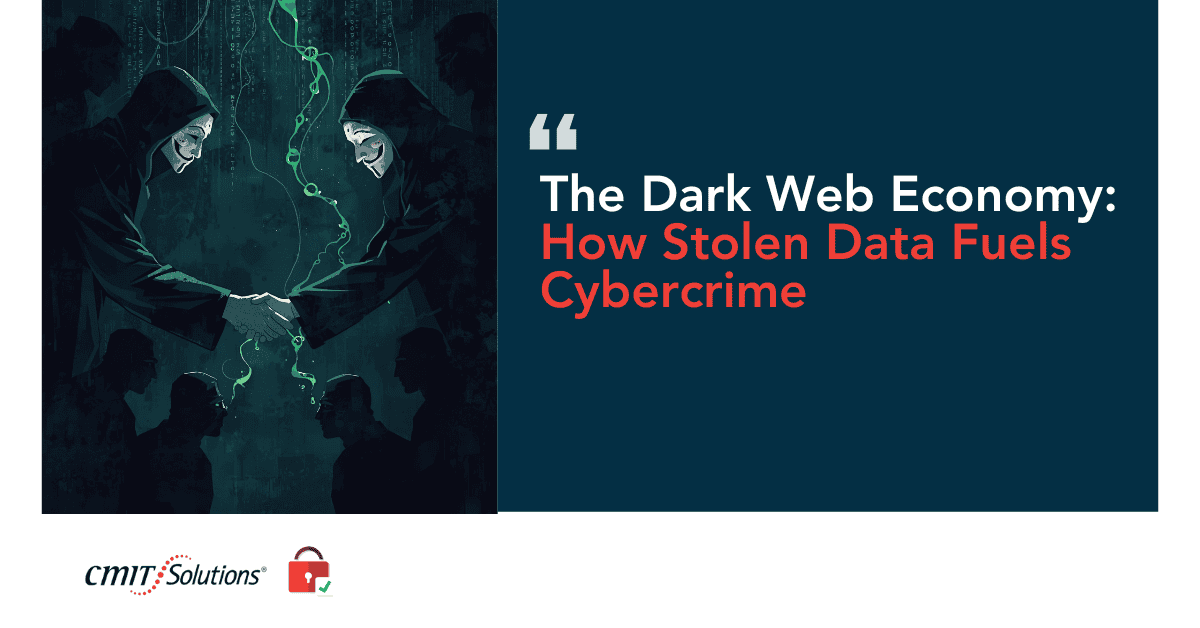
Most business owners know the internet is vast, but few realize just how much of it operates out of sight. Beneath the familiar websites we use every day lies the dark web an encrypted network of hidden marketplaces where cybercriminals buy and sell stolen data. For small and midsized businesses (SMBs) in Long Beach, understanding how the dark web works is critical to protecting sensitive information and preventing costly breaches.
This guide explores the underground economy of stolen data, why SMBs are prime targets, and how proactive cybersecurity can keep your business safe.
1. What Is the Dark Web?
The dark web is a portion of the internet not indexed by standard search engines and accessible only through special browsers like Tor. While it has legitimate uses for privacy and free speech, it is also a hub for illegal activity, including:
- Sales of stolen credit card numbers and bank credentials
- Trade in malware kits and ransomware tools
- Leaked company databases and intellectual property
Criminals value anonymity, and the dark web provides it, making it a thriving marketplace for stolen business data.
2. How Stolen Data Becomes Currency
On the dark web, information is money. Hackers package stolen credentials, health records, or financial details and sell them in bulk. Common commodities include:
- Login credentials for email, banking, or business networks
- Personal information like Social Security numbers
- Corporate data such as customer lists or proprietary files
These assets are bought and sold using cryptocurrency, which further obscures the identities of both buyers and sellers. Even a single breach can generate thousands of dollars for criminals while creating massive costs for the victimized business.
3. Why SMBs Are Top Targets
Many SMBs assume they’re too small to attract hackers. In reality, smaller companies often have fewer defenses, making them easier prey. Local companies have already seen how cyber threats exploit weak passwords, outdated software, and unmonitored networks. Attackers know that stolen data from a small business can be just as valuable as information from a large corporation and often easier to obtain.
4. Dark Web Tactics That Endanger Businesses
Cybercriminals use multiple methods to steal data before selling it:
- Phishing emails trick employees into revealing credentials.
- Ransomware attacks encrypt files and demand payment.
- Insider threats leak sensitive information for profit.
- Shadow IT—unsanctioned apps and services creates hidden entry points.
Many of these tactics exploit human error, underscoring the importance of strong security training to keep staff alert and prepared.
5. The Ripple Effect of a Data Breach
Once stolen data reaches the dark web, the consequences multiply:
- Financial losses from fraud or regulatory fines
- Reputation damage that erodes customer trust
- Operational downtime during investigations and recovery
The costs can be devastating. Businesses already dealing with hidden downtime may struggle to survive the aftermath of a major breach.
6. Proactive Defense Strategies
Fighting the dark web economy requires layered protection. CMIT Solutions helps SMBs implement:
- Continuous monitoring with proactive support to detect unusual activity early.
- Strong authentication and encryption for sensitive accounts.
- Regular patching to close software vulnerabilities.
These measures reduce the chances of data ever making it to the dark web.
7. Zero Trust Security
Traditional network security assumes everything inside the perimeter can be trusted. A zero trust model flips that assumption, verifying every device and user before granting access. This approach prevents attackers who breach one system from moving freely through the network.
8. Compliance and Legal Safeguards
Regulatory frameworks such as HIPAA, PCI DSS, and the California Consumer Privacy Act (CCPA) impose strict rules for protecting personal data. Failure to comply can result in fines and lawsuits even if the data theft originated on the dark web. CMIT provides customized IT compliance solutions to help SMBs meet these requirements while strengthening overall security.
9. Cloud Backup as Insurance
Even with strong defenses, no system is completely immune. Reliable cloud backup ensures that critical files can be recovered quickly if ransomware or other attacks occur. CMIT’s managed cloud services replicate data across multiple locations for maximum resilience.
10. Managed Detection and Response
Dark web threats evolve rapidly. Managed detection and response (MDR) solutions use real-time analytics and AI to spot intrusions as they happen. CMIT integrates advanced AI tools to identify suspicious behavior and shut down attacks before sensitive data is stolen.
Conclusion: Shutting Down the Dark Web Economy
The dark web thrives on stolen data but your business doesn’t have to be a supplier. By combining proactive monitoring, zero trust security, regulatory compliance, and secure cloud infrastructure, SMBs in Long Beach can deny cybercriminals the raw material they need to profit. With CMIT Solutions of Long Beach as a partner, you gain 24/7 protection, expert guidance, and the peace of mind that comes from knowing your data is safe even in the shadowy corners of the internet.