Introduction: A Silent Epidemic of Business Disruption
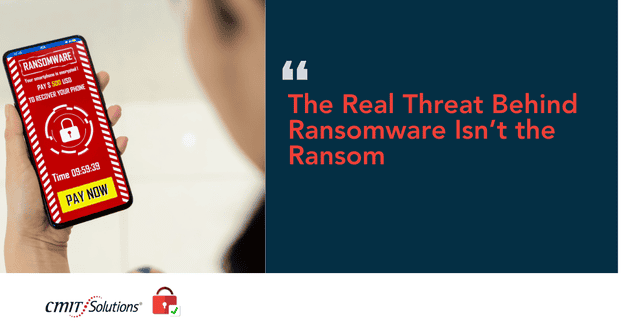
Ransomware attacks are no longer just about the ransom. The real cost is hidden in the days, weeks, or even months of disrupted operations, damaged customer trust, and spiraling recovery efforts. As Long Beach businesses increasingly rely on digital infrastructures, understanding ransomware beyond the surface is crucial. The attackers’ goal is no longer merely financial; it’s to destabilize, expose, and erode confidence in your business ecosystem.
What Is Ransomware?
Ransomware is a form of malicious software designed to block access to a computer system or encrypt data until a sum of money is paid. However, its impact goes far beyond just monetary extortion. Modern ransomware attacks target critical business assets, making files, customer databases, and applications inaccessible. For Long Beach businesses, this can mean complete operational shutdowns, lost contracts, and severe reputational harm. With the rise of ransomware-as-a-service (RaaS) platforms on the dark web, even low-skilled hackers can launch sophisticated attacks. That’s why understanding what ransomware really is is vital for every business owner and IT decision-maker in Long Beach.
How Ransomware Has Evolved
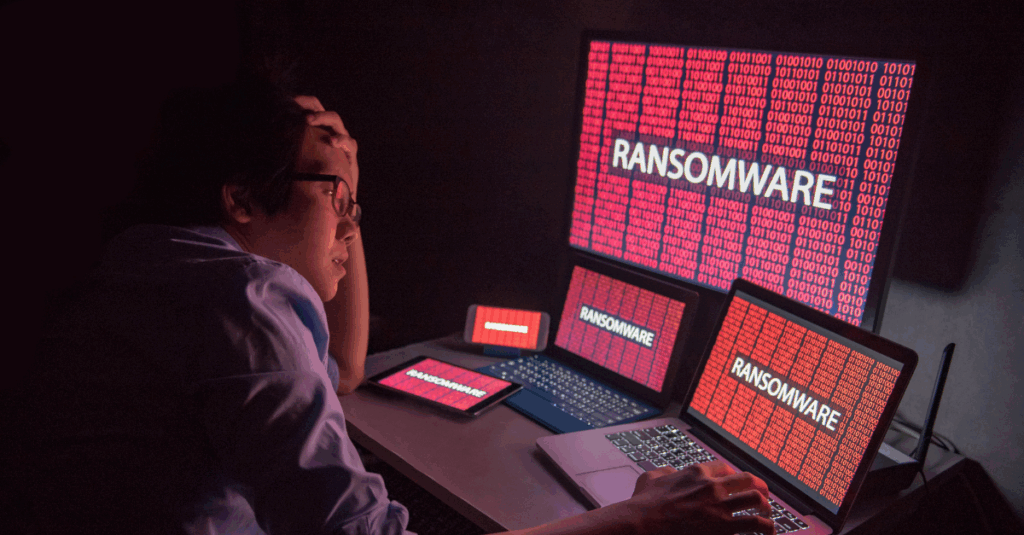
What started as simple phishing scams has grown into a complex web of intrusion techniques. Modern ransomware attacks often begin with social engineering, exploiting human error to gain access. Once inside a network, attackers move laterally, escalate privileges, and exfiltrate data long before encrypting files. This makes detection and containment significantly harder. Understanding the evolution of ransomware highlights how advanced ransomware strains now incorporate artificial intelligence to avoid traditional security tools, using polymorphic code that continuously mutates. This evolution means that standard antivirus software and firewalls are no longer enough. Long Beach businesses must implement next-gen security protocols, including behavior-based monitoring and real-time response systems.
The Cost of Downtime
When systems are locked down, the immediate panic isn’t just about the ransom—it’s about lost time. Every hour a system is offline equals lost sales, productivity, and customer confidence. In industries like healthcare and finance, where uptime is critical, this downtime can be catastrophic. Downtime isn’t just technical—it’s strategic. Long Beach businesses face cascading consequences: missed client deadlines, payroll interruptions, inventory control failures, and frustrated stakeholders. Moreover, the psychological toll on employees—who may feel powerless or blamed—can lead to lowered morale and increased turnover. Understanding the true cost of downtime requires looking beyond the balance sheet to the broader operational and cultural impact.
Compliance Risks and Legal Exposure
A ransomware attack isn’t just a cybersecurity issue—it’s a compliance nightmare. Sensitive data such as patient records, financial statements, or employee files are often targeted and stolen before encryption. This creates liability under laws like HIPAA, GDPR, and CCPA. Long Beach healthcare providers are especially vulnerable and must demonstrate due diligence. Failure to report breaches in a timely manner or to show compliance with security standards can result in significant fines, lawsuits, and investigations. Long Beach companies operating in regulated industries need to embed cybersecurity into their compliance strategies. This includes regular audits, employee training, incident response planning, and third-party risk assessments to stay compliant and protected.
Backup and Recovery
The foundation of ransomware resilience lies in a well-structured backup and recovery strategy. This doesn’t just mean storing files in the cloud—it involves creating redundant, immutable backups that can’t be altered or deleted by ransomware. Cloud backup solutions have become essential for business continuity. These backups must be encrypted, tested regularly, and stored across multiple geographic locations. For Long Beach businesses, the difference between a minor disruption and a total collapse often depends on how quickly and effectively systems can be restored. A strong disaster recovery plan includes recovery point objectives (RPOs), recovery time objectives (RTOs), and clear communication protocols to keep stakeholders informed throughout the restoration process.

Using AI to Fight Ransomware
Artificial intelligence is changing the cybersecurity battlefield. While bad actors use AI to automate attacks and craft convincing phishing messages, defenders can use the same technology to stay ahead. AI-powered cybersecurity tools analyze network traffic, user behavior, and system activity to detect anomalies before an attack fully deploys. AI-driven security helps Long Beach businesses respond with speed and accuracy. It also supports predictive analytics, allowing companies to forecast potential vulnerabilities and address them proactively. When integrated with endpoint detection and response (EDR), these tools become essential in building a layered, adaptive defense system.
Employee Awareness and Training
No matter how advanced your cybersecurity technology is, the human element remains a major vulnerability. Employees who are not trained to recognize phishing emails, suspicious links, and social engineering attempts can inadvertently open the door to ransomware attacks. Regular cybersecurity awareness training helps reinforce best practices and creates a vigilant workplace culture. In Long Beach, where small and medium-sized businesses often rely on lean teams, every staff member plays a critical role in defense. Training programs focused on cybersecurity are an effective way to reduce risk, improve password hygiene, and build a more resilient human firewall.
Zero Trust Security Strategies
Gone are the days of relying solely on firewalls and passwords. Zero trust is a security model that assumes no one—inside or outside the network—can be trusted by default. It requires continuous verification of users and devices, strict access controls, and segmentation of critical resources. Zero trust adoption is gaining momentum among Long Beach organizations. Implementing zero trust means that even if attackers breach the outer perimeter, they can’t move laterally through the system unchecked. For Long Beach businesses, adopting this approach includes deploying multi-factor authentication, role-based access control, and micro-segmentation of networks. These strategies limit the blast radius of any attack and dramatically improve overall cyber hygiene.
Conclusion: Shift Your Focus From Ransom to Resilience
Ransomware isn’t just a financial threat—it’s an operational and reputational one. By adopting best practices in backup, compliance, AI integration, and employee training, your business gains the strength to overcome threats. Don’t wait for the next attack. Contact a Long Beach IT expert today and start building your ransomware resilience now.