What Is Desktop-as-a-Service (DaaS)?
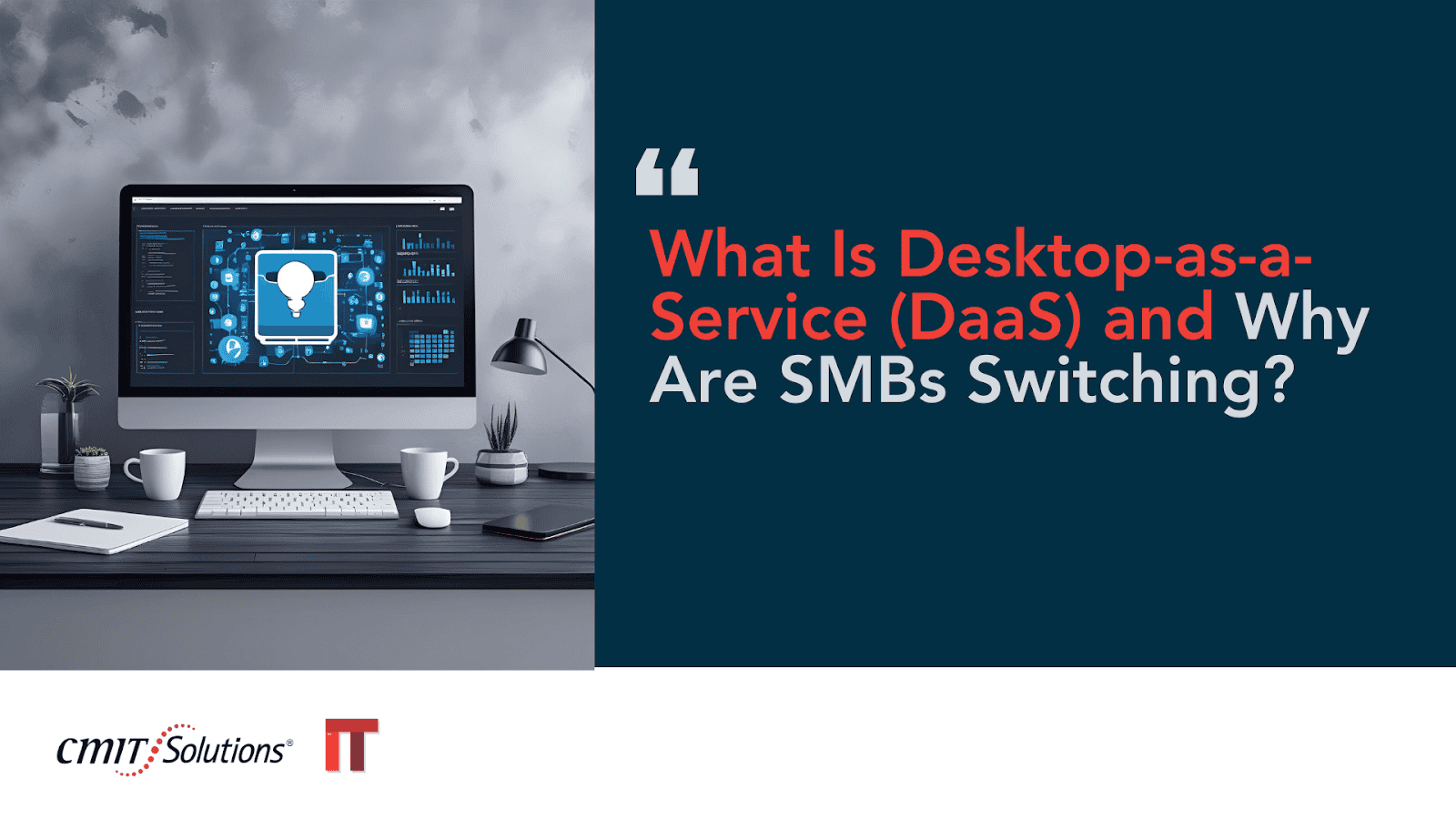
Desktop-as-a-Service (DaaS) is a cloud computing offering that enables users to access virtual desktops over the internet. Instead of hosting operating systems, files, and applications on local hardware, DaaS moves everything to a secure cloud environment. These virtual desktops are delivered to end-users on demand, and can be accessed from nearly any device, anywhere.
Unlike traditional Virtual Desktop Infrastructure (VDI), which requires on-premises hardware and management, DaaS is fully managed by a third-party provider. This makes it a more scalable and maintenance-free option, especially appealing for small and midsized businesses (SMBs) seeking greater flexibility.

How Does DaaS Work?
DaaS works by storing all desktop environments in the cloud. When a user logs in through a web browser or application, they are connected to their personalized desktop that includes files, programs, and settings. The cloud service provider takes care of the backend infrastructure, security, data storage, and patching.
With support for popular operating systems like Windows and Linux, and seamless integration with productivity platforms like Microsoft 365, DaaS offers an intuitive experience for end users while reducing strain on internal IT teams.
Why Are SMBs Choosing DaaS?
SMBs are making the switch to DaaS because of several strategic advantages:
- Cost efficiency: Reduces the need for capital investments in hardware
- Remote accessibility: Supports hybrid and remote work seamlessly
- Built-in security: Often includes advanced features like AI security
- Scalability: Add or remove users easily without infrastructure changes
- Disaster recovery: Cloud desktops are less vulnerable to physical disruptions
These benefits align closely with the evolving needs of modern SMBs in Long Beach and beyond, making DaaS a compelling alternative to traditional IT setups.
Security Advantages of DaaS
Cybersecurity threats continue to rise, especially for businesses relying on outdated systems. DaaS comes with built-in protections such as multifactor authentication, encryption, and centralized control. It also integrates well with endpoint protection and data loss prevention tools.
More importantly, DaaS isolates critical applications and data from user devices. If a device is lost, stolen, or compromised, the virtual desktop can be wiped remotely without risking business continuity.
As cyber threats evolve, this level of control becomes essential for SMBs operating on limited budgets.
DaaS vs. Traditional Workstations
Traditional desktops require frequent updates, local storage, and hands-on troubleshooting. By contrast, DaaS provides centralized updates and eliminates the need to manage multiple endpoints individually. This is especially useful for businesses that experienced IT challenges during the pandemic and are now seeking sustainable remote solutions.
DaaS also extends the lifespan of older hardware by offloading heavy computing tasks to the cloud, reducing e-waste and lowering IT overhead.
Use Cases for DaaS in SMBs
DaaS fits a variety of small business scenarios:
- Remote teams that need secure access to business systems
- Startups and growing firms looking to scale without hardware constraints
- Healthcare providers needing to maintain compliance
- Retail operations with seasonal or contract-based staff
- Legal and financial firms managing sensitive client data
By leveraging cloud backups and compliance frameworks, DaaS helps these sectors protect data and ensure operational continuity.
Compliance and Regulatory Support
For industries with strict compliance mandates—such as HIPAA, CCPA, and GDPR—DaaS can simplify the process of meeting regulatory standards. By centralizing data and deploying SIEM solutions, companies can monitor and log activity with ease.
This also supports compliance audits by offering clear visibility into user behavior, patch history, and access controls—all managed in one unified environment.
How DaaS Enhances Business Continuity
One of DaaS’s most valuable features is its ability to support operations during disruptions. From natural disasters to cyberattacks, the cloud infrastructure backing DaaS ensures users can quickly resume work.
Data breaches are a prime example. If a local machine is compromised, DaaS allows a business to reassign the virtual desktop to another device, minimizing downtime.
DaaS also supports business continuity through integration with managed cloud services, backups, and collaboration platforms that streamline workflows.
 Why SMBs Need Managed IT Services
Even with the simplicity of DaaS, SMBs benefit from partnering with an MSP that understands their industry-specific needs. Managed IT services can provide end-to-end DaaS management, from onboarding and compliance to scaling and troubleshooting.
An MSP can also bundle services like proactive support, help desk, endpoint security, and strategic planning—giving SMBs a technology roadmap without overwhelming their internal teams.
Is DaaS Right for Your Business?
Not every SMB will have the same needs or starting point. Some may already have partial cloud adoption; others may be starting from scratch. A proper assessment will determine readiness and identify the best migration strategy.
Partnering with experts who specialize in smart technology deployment can help clarify the costs, benefits, and steps required.
Conclusion: The Future Is Flexible
As remote work, cybersecurity demands, and IT complexity continue to grow, SMBs need solutions that deliver flexibility, security, and simplicity. Desktop-as-a-Service checks all these boxes—offering modern businesses the power to operate securely from anywhere.
Whether you’re navigating compliance hurdles, planning for growth, or simply tired of aging hardware, DaaS could be the transformation your business needs.
Let CMIT Solutions of Long Beach help you assess your DaaS readiness, migrate confidently, and support your long-term success in the cloud-first era.