Introduction: The Hidden Threat Lurking Behind the Firewall
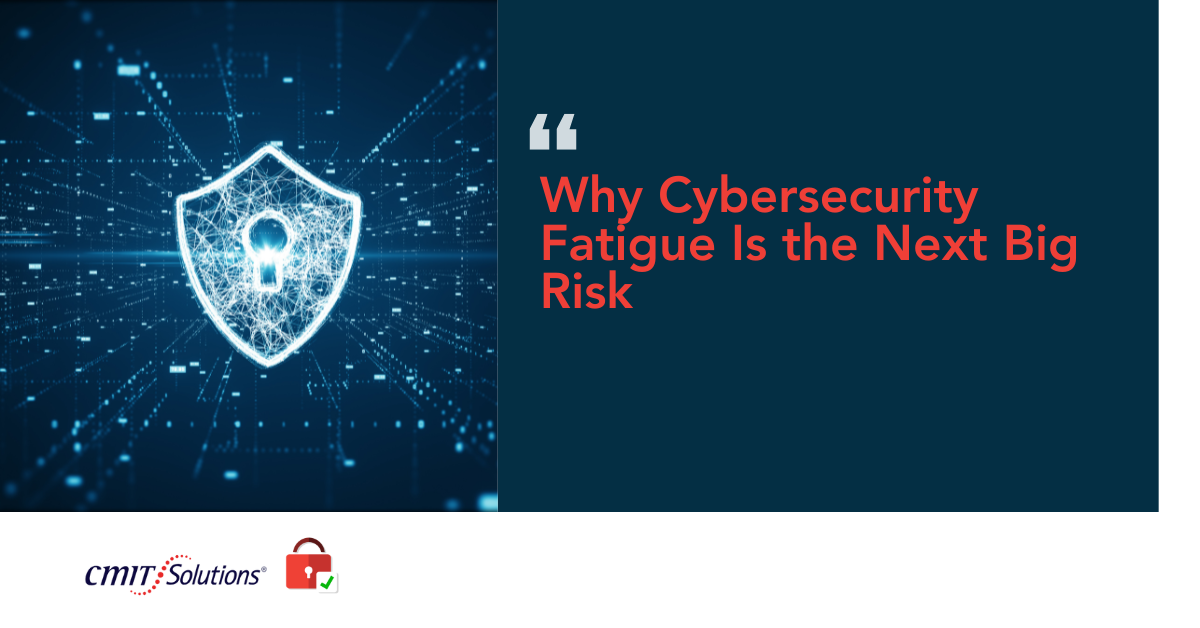
For many small businesses in Long Beach, cybersecurity has become a relentless, round-the-clock responsibility. While advanced protection like AI-driven security and managed detection and response solutions promise better defenses, they also introduce constant alerts, updates, and decisions. This is giving rise to a new digital dilemma: cybersecurity fatigue.
Cybersecurity fatigue is the mental exhaustion caused by the overwhelming demand for constant cyber vigilance. It can lead to negligence, poor decision-making, and reduced effectiveness in combating threats. In a city like Long Beach, where cyberattacks are rising, fatigue is no longer just a personal issue—it’s a business risk.
What is cybersecurity fatigue?
Cybersecurity fatigue is a state of mental and emotional exhaustion caused by the continuous pressure to stay vigilant in the face of evolving digital threats. It stems from the never-ending stream of security prompts, warnings, updates, and training sessions that employees must handle regularly. While the intention behind these practices is sound—keeping systems and data safe—their frequency and intensity can wear people down.
Employees experiencing cybersecurity fatigue may feel apathetic or indifferent toward best practices, such as following password protocols, attending security training, or responding to alerts. This mental burnout leads to negligence, creating vulnerabilities that threat actors can exploit. In a fast-paced digital environment like that of Long Beach businesses, where threat levels are constantly rising, such fatigue can undermine even the most advanced defense systems.

Cyber Alert Overload: When Notifications Become a Liability
The average employee in a modern office environment receives an overwhelming number of prompts, alerts, and notifications each day—many of them tied to cybersecurity practices. From approving multi-factor authentication requests to identifying and reporting phishing emails, the cognitive demand is intense. Over time, the brain starts to tune out what it perceives as background noise. This means that real, dangerous threats can slip through unnoticed simply because employees are mentally exhausted from responding to false alarms or routine messages.
Compounding the issue, security software like MDR and SIEM platforms often flood users with alerts that aren’t always meaningful. Without intelligent filtering and prioritization, teams become desensitized to risk signals. This state of alert fatigue makes businesses far more vulnerable to genuine breaches.
Repetition Risks: How Familiarity Breeds Cybersecurity Complacency
The more familiar and repetitive a task becomes, the more likely it is to be overlooked or done incorrectly. This is a dangerous reality in cybersecurity, where simple oversights—like clicking a malicious link or using an outdated password—can lead to devastating consequences. Even businesses that implement progressive security measures such as passkey authentication find that user behavior becomes careless over time.
Routine creates a false sense of security. Employees may assume that if nothing has gone wrong so far, there’s no harm in skipping one software update or reusing an old password. This complacency grows stronger the more cybersecurity is framed as a check-the-box requirement instead of a mission-critical practice.
Overwhelmed IT Teams: The Human Cost of Cybersecurity Fatigue
In Long Beach, many small businesses operate with minimal IT staff—sometimes even relying on a single individual to manage all technology needs. As these companies grow, so do their vulnerabilities. With new systems to oversee and threats evolving daily, the demand on internal staff can quickly outpace capacity. The IT skills gap in the local market exacerbates this issue, making it difficult to recruit specialized talent.
When staff are overworked and under-resourced, cybersecurity protocols suffer. Patching schedules get delayed. Security awareness training gets pushed aside. Worse, mistakes become more frequent—and more costly. A strategic partnership with managed service providers can offload this burden, providing expert-level monitoring and support around the clock.
Compliance Fatigue in Long Beach SMBs: How to Stay Ahead Without Burning Out
The regulatory burden on small businesses has intensified in recent years. From HIPAA and PCI-DSS to new privacy laws and industry-specific standards, compliance has become a full-time job. And while the goals behind these frameworks are important—protecting sensitive data and promoting accountability—the reality is that many businesses suffer from compliance fatigue.
Repeated audits, policy updates, employee certifications, and access control tasks all contribute to user exhaustion. This fatigue often leads to shortcuts, like skipping an annual review or storing credentials insecurely. Long Beach companies operating in healthcare and other regulated industries should explore HIPAA-aligned compliance strategies that integrate automation and streamline reporting.
Breaking the Cycle: Why Reactive Cybersecurity is Fueling Burnout
One of the most common sources of burnout in cybersecurity comes from living in a constant state of crisis. When a business only addresses threats after they’ve occurred, employees are locked into a stressful cycle of damage control. Not only does this delay resolution, but it fosters a culture where every security event is treated like an emergency.
Switching to a proactive support model transforms how businesses operate. It moves teams away from the brink, giving them breathing room to implement long-term improvements, evaluate emerging risks, and focus on innovation instead of firefighting.
Backup Neglect: Fatigue-Induced Gaps in Disaster Recovery
Despite years of awareness campaigns, far too many businesses still treat backups as an afterthought. It’s not until data is lost—whether through ransomware, human error, or system failure—that companies realize how critical it is to have a strong backup and disaster recovery strategy in place. Unfortunately, cybersecurity fatigue often results in these safeguards being neglected.
Routine testing, storage validation, and versioning require ongoing attention. But when teams are exhausted or distracted, these tasks get sidelined. Cloud-based backup solutions that run automatically and report status updates without human intervention can eliminate this point of failure.

Building Resilient Cybersecurity Plans to Combat Team Fatigue
To combat fatigue, Long Beach businesses need more than tools—they need direction. A well-designed cybersecurity roadmap provides clarity and purpose, aligning daily actions with broader goals. It reduces uncertainty, boosts morale, and helps staff understand not just what to do, but why it matters.
This type of plan should incorporate IT guidance and automation, phased implementation of new technologies, and periodic reevaluation to keep pace with evolving threats. With a strategic roadmap, cybersecurity becomes a shared mission, not a lonely obligation.
Final Thoughts: Turning Awareness into Action
Cybersecurity fatigue may not seem urgent—until it becomes a headline that shakes consumer trust and damages brand reputation. It doesn’t make the same noise as a data breach or ransomware attack, but its silent impact can be just as damaging. For small and midsized businesses in Long Beach navigating fast growth, tight budgets, and expanding digital footprints, cybersecurity fatigue is a risk multiplier that quietly undermines resilience.
Embrace technology that enhances—not complicates—your security posture. From cloud backups to AI-driven threat detection, automation can remove the burden of manual oversight. A trusted partner can help you build a roadmap that prioritizes both human and technical resilience.
Most importantly, acknowledge the human side of security. Burnout, disengagement, and fatigue are not signs of incompetence—they’re signals that your current system is unsustainable. When you prioritize well-being alongside security measures, your team becomes more than a line of defense. They become active, empowered participants in your organization’s digital health.
Explore our solutions at CMIT Solutions of Long Beach or contact us directly to build your fatigue-resistant cybersecurity strategy today.
—until it becomes a headline. For businesses stretched thin by growth and digital demands, this hidden threat needs visible action.