Introduction
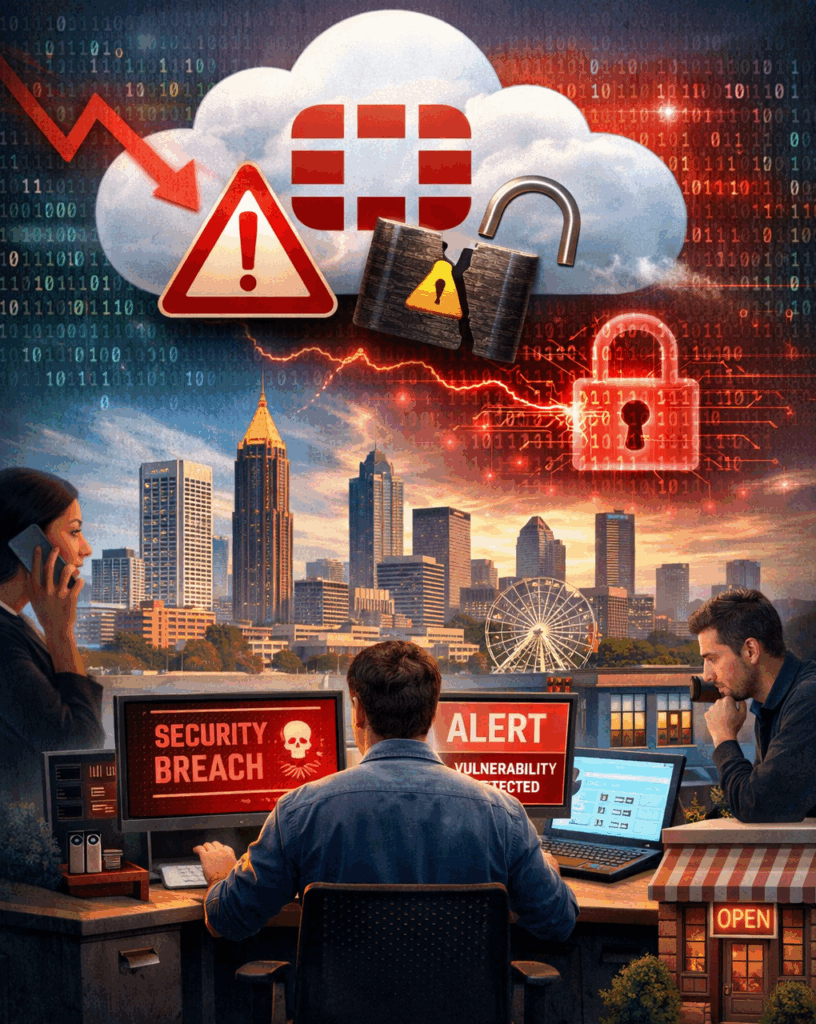
Phishing attacks have become one of the foremost cybersecurity challenges in today’s digital landscape. These attacks continually evolve in sophistication, targeting businesses and individuals alike. One of the latest threats, the new “Greenvelope” phishing attack, is raising alarms due to its ability to install backdoors via LogMeIn, a remote access tool. This cyberattack has particularly placed businesses in cities like Atlanta at heightened risk because of the region’s thriving corporate ecosystem and heavy reliance on technology. Protecting organizations against this emerging attack is no longer optional—it’s vital.
In this post, we’ll explore how this new phishing threat operates, its potential impact on businesses in Atlanta, common security vulnerabilities exploited by this attack, and practical measures to combat it.
The Role of Greenvelope Phishing Attacks in Threatening Atlanta’s Security
Atlanta, as one of the fastest-growing tech hubs in the United States, is a prime target for cybercriminals seeking valuable data and access to sensitive systems. The Greenvelope phishing attack exemplifies how threat actors exploit trusted platforms like LogMeIn to bypass detection methods.
How the Greenvelope Attack Works:
- Deceptive Emails: The attack begins with phishing emails, which are designed to appear like legitimate correspondence from Greenvelope, a popular event invitation platform.
- Malicious Links: These emails contain links masquerading as event-related attachments or calendar invites. Unsuspecting recipients who click the link unknowingly download malware onto their systems.
- LogMeIn Exploitation: The malware targets LogMeIn, leveraging its remote access capabilities to install a backdoor into devices. This allows attackers to gain stealthy and long-term control over a compromised system, exfiltrate data, or deploy ransomware.
For Atlanta-based businesses relying on remote solutions like LogMeIn to manage distributed teams or customer support, this attack poses a direct and severe risk.
Common Security Challenges Faced by Atlanta Companies
With Atlanta’s corporate community spanning industries from healthcare to fintech, its businesses face a variety of cybersecurity vulnerabilities. The new Greenvelope phishing attack highlights some of these common issues:
- Phishing Susceptibility: Many employees lack adequate training to recognize and report sophisticated phishing emails, particularly when these mimic trusted platforms like Greenvelope.
- Remote Work Risks: Businesses relying heavily on LogMeIn and other remote desktop tools often face difficulty securing endpoints, which attackers exploit.
- Outdated Security Policies: Organizations often fail to update security practices and adopt robust protocols, leaving networks open to breaches.
- Third-Party Exploits: The heavy integration of third-party tools (like LogMeIn) in Atlanta’s businesses increases the attack surface for hackers.
Without proactive measures, Atlanta companies risk significant damage, including data breaches, financial losses, reputational harm, and compliance violations with regulations like GDPR or CCPA.
Benefits of Addressing the Greenvelope Phishing Threat in Atlanta
Mitigating this attack goes beyond strengthening your defenses; it contributes to the overall success and continuity of business in Atlanta’s competitive market. Here’s how tackling this cyber threat benefits organizations:
- Enhancing Data Security
Proactively combating phishing attacks like Greenvelope ensures that sensitive client data, customer records, and business information remain safe from unauthorized access.
- Boosting Employee Confidence
Educating employees about these scams empowers them to make informed decisions, reducing the likelihood of breaches while strengthening trust in workplace security measures.
- Preserving Business Reputation
In a city like Atlanta—known for hosting prestigious companies and events—a cyberattack can permanently damage brand reputation. Demonstrating strong defenses reassures clients and partners alike, fostering loyalty and trust.
- Compliance Assurance
Cybersecurity measures against Greenvelope incidents also keep Atlanta businesses compliant with data protection laws and industry-specific regulations, avoiding costly penalties.
Protecting Atlanta Enterprises from Greenvelope Phishing Attacks
The key to fortifying against phishing attacks that exploit LogMeIn is implementing a robust strategy tailored to Atlanta’s business ecosystem. For organizations in the area, these steps can help:
- Employee Training:
Regular phishing awareness training is essential. Employees must learn how to:
- Identify suspicious emails.
- Verify senders before clicking on links or downloading files.
- Report phishing attempts to IT teams.
- Strengthening Endpoint Security:
Ensure all devices using LogMeIn have:
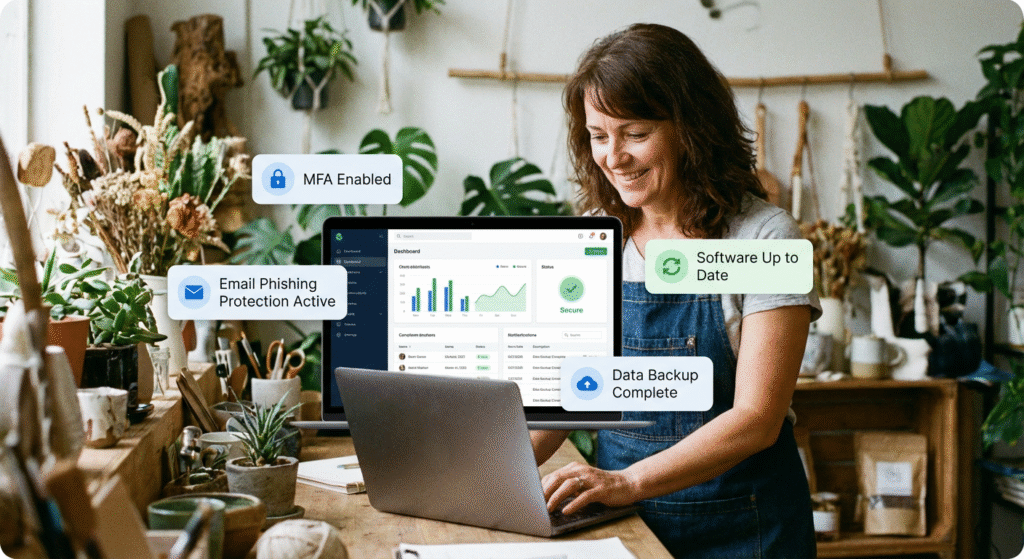
- Antivirus and antimalware software.
- Firewalls configured to block unauthorized access.
- Regular software updates to patch vulnerabilities.
- Implementing Multi-factor Authentication (MFA):
Add an extra layer of security to LogMeIn accounts and other remote tools by requiring additional verification (e.g., one-time passwords or biometrics) beyond just a password.
- Conducting Phishing Simulations:
Testing employees with simulated phishing attacks can identify weaknesses in awareness and highlight training gaps.
- Partnering with a Cybersecurity Expert:
Collaborate with IT professionals familiar with Atlanta’s business challenges. These experts can provide customized solutions like:
- Email filtering services.
- Network monitoring for suspicious traffic.
- Incident response plans for immediate action after a breach.
Taking these measures can effectively reduce organizational risk and prevent costly attacks in the future.
Call us at (470) 222-CMIT or contact us today to speak with an IT security expert about protecting your business data.
Future Trends in Cybersecurity for Atlanta’s Businesses
As technology evolves, so do cyber threats. Businesses in Atlanta must stay ahead by preparing for emerging trends in cybersecurity. Some developments to watch include:
- AI-Driven Phishing Detection
Artificial intelligence is being deployed to recognize subtle changes in phishing emails, making it easier to detect and prevent sophisticated attacks like Greenvelope.
- Zero Trust Security Architecture
By adopting a zero trust model, where every user and device must be verified before accessing resources, Atlanta businesses can significantly reduce the risk of unauthorized access.
- Increased Adoption of Cyber Insurance
To mitigate financial fallout after an attack, more organizations are turning to cyber insurance, which provides coverage for data breaches and associated recovery costs.
- Focus on Securing Remote Work Environments
As remote work remains prevalent, businesses will continue to invest in tools and techniques to secure remote endpoints, making attacks on LogMeIn-like platforms more challenging for hackers.
Recognizing and adopting these trends will enable Atlanta companies to maintain resilience against phishing and other cyber threats.
Conclusion
The new Greenvelope phishing attack, which installs backdoors via LogMeIn, underscores the need for heightened vigilance among Atlanta businesses. With its rich corporate environment, the city is an attractive target for cybercriminals. However, by prioritizing employee training, implementing advanced security measures, and staying ahead of emerging trends, organizations can successfully mitigate the risks posed by these evolving threats.
For Atlanta business leaders, the time to act is now. Evaluate your current security posture, educate your team, and partner with cybersecurity professionals to ensure your systems are prepared to withstand today’s sophisticated attacks. Preventing the next Greenvelope phishing attack may mean the difference between business continuity and calamity.
Make cybersecurity a priority—because in today’s interconnected world, your company’s future depends on it.