
When Every Minute Counts During an IT Emergency
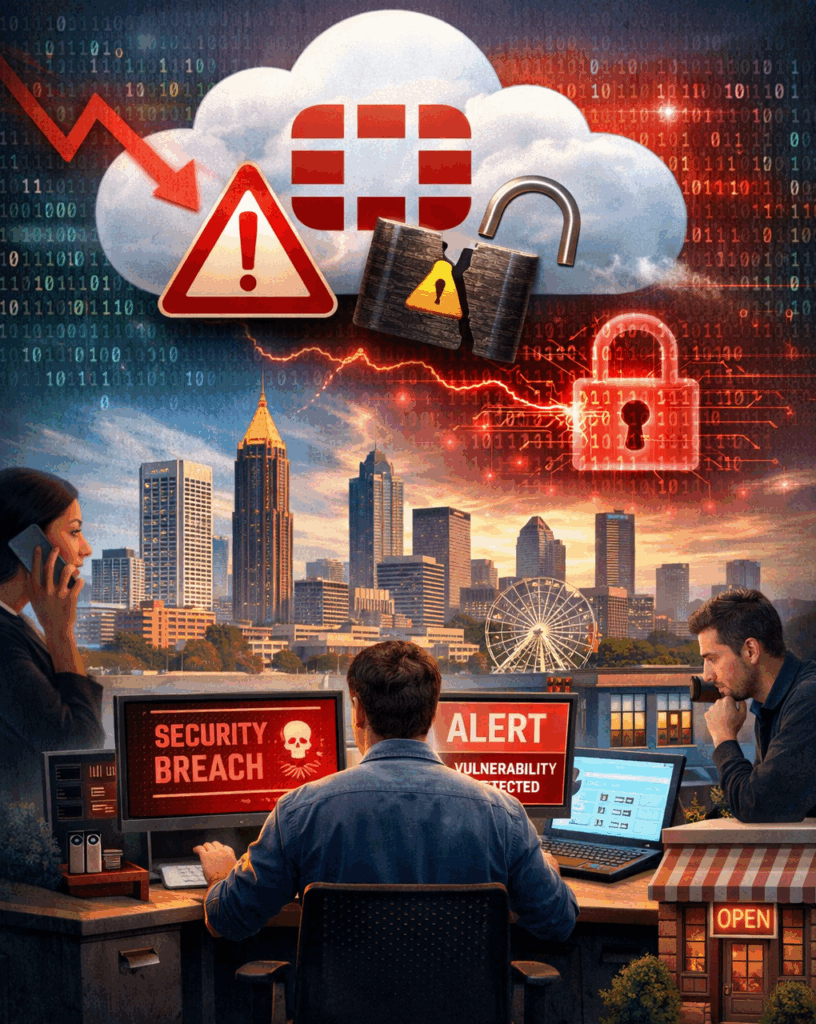
When your systems go down without warning, the whole workday can fall apart fast. Phones light up, staff cannot log in, and customers start asking what is going on. For many small and midsize businesses around Atlanta, a sudden ransomware attack or a major outage can hit at the worst possible time, right in the middle of a busy workday.
The costs add up quickly. You can face lost revenue, missed deadlines, and a backlog of work that is hard to catch up on. Projects stall, orders do not get processed, and employees sit stuck at their desks. On top of that, your reputation can take a hit if clients cannot reach you or access services when they need them most.
If your company works with sensitive data, like health records or financial details, downtime and ransomware are more than an inconvenience. They can turn into compliance problems. That can mean reports, audits, or even fines if things are not handled the right way.
This is where reliable emergency IT support in Atlanta changes the story. Instead of chaos and guesswork, you get a clear plan and a team focused on getting you back up as safely and quickly as possible. An IT emergency does not have to be a business-ending event when you have the right partners in place.
How Ransomware Attacks Hit Atlanta Businesses
Ransomware tends to sneak in through everyday tools your team uses all the time. Attacks often start with:
- Phishing emails that trick users into clicking links or opening attachments
- Weak or reused passwords that are easy to guess or steal
- Unpatched systems that miss important security updates
- Remote access tools that are not locked down
When people are traveling, working from home, or jumping between networks, it is easy for one wrong click to slip past normal habits. Once ransomware is inside, it starts encrypting files and spreading across shared drives and servers.
The impact is harsh and sudden. You might see:
- Encrypted files that no one can open
- Line-of-business apps like ERP, EMR, or CRM locked and unusable
- Staff unable to work because shared drives, printers, and databases are frozen
Clients across the Atlanta area may feel it too. They cannot get invoices, reports, or updates. They might not be able to access portals or send you the data you need to do your work. That kind of disruption can strain long-term business relationships.
For industries like healthcare, legal, and financial services, the risks go deeper. If ransomware touches protected health information, legal documents, or financial data, it can create:
- Possible reportable data incidents
- Extra scrutiny from regulators
- Questions from clients about how data is protected
Handling these events the right way matters for both compliance and trust. Quick, expert help makes it much more likely that systems and data are recovered in a safe, structured way.
What Emergency IT Support in Atlanta Should Deliver
Not all IT help is built for emergencies. True emergency IT support in Atlanta needs to be ready for high-pressure situations where minutes matter. That usually includes:
- 24/7 response so someone is always on duty
- Clear response times so you know when help is coming
- Direct access to experienced engineers, not just a basic help desk
During a ransomware attack or severe outage, the first steps are critical. A good emergency response team will focus on:
- Isolating infected devices from the network
- Identifying how far the problem has spread
- Preserving forensic evidence that may help understand the attack
- Prioritizing the most important systems for recovery first
That last point is important. Your email, your main business app, file storage, and phones may not all be equal. A structured approach gets the pieces that run your daily work back online in the right order, instead of trying to fix everything at once.
Local knowledge also makes a difference. A team that works in the Atlanta area understands common threats, types of businesses in different parts of the city, and challenges like older buildings, mixed networks, and varied internet options. When remote tools are not enough, having someone who can be on-site is often the key to a faster, safer recovery.
Fast Response Strategies for Network and Cloud Outages
Not every emergency comes from cybercrime. Network or cloud outages can stop work just as quickly. A managed IT partner should be ready to quickly sort out what is going wrong. Typical causes include:
- Power issues or building-level electrical problems
- ISP failures or slowdowns
- Hardware problems on firewalls, switches, or servers
- Misconfigurations from recent changes
- Cloud provider incidents or security-related shutdowns
Fast diagnosis means checking each layer, from the local office network out to cloud services. Once the source is clear, the focus moves to restoring service in a way that avoids making the problem worse.
To keep outages from turning into all-day events, it helps to build in resilience ahead of time. Best practices often include:
- Redundant internet connections, so one provider can step in if another fails
- Failover solutions that switch traffic automatically when something breaks
- Reliable, tested backups for servers and cloud systems
- Business continuity plans that spell out who does what during an outage
In the Atlanta area, summer storms and power blips can add extra strain to networks and equipment. Planning for those events makes it more likely your systems stay up or can be brought back quickly.
Proactive monitoring and alerting are just as important. When your systems are watched around the clock, small warning signs are spotted early. That lets technicians step in before a minor issue becomes a full outage that customers notice.
Building Cyber Resilience Before the Next Crisis
Strong emergency IT support is about more than showing up when something breaks. The best results come from pairing rapid response with smart prevention. Some core security measures include:
- Regular patching for servers, PCs, and apps
- Multi-factor authentication to add a second layer beyond passwords
- Security awareness training so staff can spot phishing and scams
- Endpoint protection that watches devices for suspicious behavior
Good backups are the safety net underneath all of this. For ransomware and outages, backups should be:
- Encrypted and protected from direct access
- Stored in more than one location
- Tested on a regular schedule to confirm they can be restored
Two key ideas guide backup and recovery planning. Recovery time objective, or RTO, is how quickly you need to be back up. Recovery point objective, or RPO, is how much data you can afford to lose between backups. When these match your business needs, it is easier to get back to work after an incident without painful surprises.
For many businesses, staying compliant with rules like HIPAA, PCI, GDPR, or industry-specific standards is also part of resilience. Ongoing support with policies, security controls, and documentation helps lower the chance of fines and creates a stronger overall security posture. When systems are set up with compliance in mind, ransomware and outages have fewer openings to cause serious damage.
Partner with a Local Team Before an Emergency Starts
Waiting until you are in the middle of a ransomware attack or a major outage to look for help is stressful and risky. During a crisis, you do not have time to explain your systems, hunt for basic details, or compare different options. The best time to build a relationship with a trusted IT partner is long before anything goes wrong.
At CMIT Solutions of Atlanta Southeast, we focus on managed IT, cybersecurity, and compliance services designed for local businesses that cannot afford long stretches of downtime. That includes emergency response when things break, continuous monitoring to catch problems early, and strategic guidance to keep your systems aligned with how your business actually works.
When an emergency hits, a team that already knows your environment, your key apps, and your recovery priorities can act much faster and with more confidence. That is how a sudden IT crisis becomes a tough day, not a turning point for your company.
Get Proactive IT Help Before the Next Crisis Hits
When every minute of downtime counts, you need a local team that can respond fast and fix issues right the first time. Our emergency IT support in Atlanta gives your business a reliable safety net so you can stay focused on serving your customers. At CMIT Solutions of Atlanta SE, we monitor, troubleshoot, and secure your systems before small problems turn into costly outages. If you are ready to strengthen your IT resilience, contact us today.