Introduction: From Downtime to Disaster
Imagine a law firm in Boston locked out of its files the morning of a big trial. Or a healthcare provider unable to access patient records due to a network crash. These are not hypothetical nightmares—they’re real-world scenarios Scott Krentzman at CMIT Solutions of Boston, Newton & Waltham has helped local businesses recover from.
In today’s digital-first world, even five minutes of downtime can halt productivity, damage reputation, and cost thousands in lost revenue. The root cause? Often, it’s something preventable. That’s why Scott advocates one core principle: proactive IT monitoring.
What Is Proactive IT Monitoring?
Proactive monitoring is not just a buzzword—it’s a dynamic, always-on approach to managing your technology. It involves constant oversight of network performance, device health, cybersecurity threats, and software updates. Unlike reactive support, where issues are addressed after they disrupt your operations, proactive monitoring detects, alerts, and even resolves problems before they become disasters.
Scott explains it like this: “Your business shouldn’t have to stop so IT can catch up. Proactive monitoring keeps the wheels turning smoothly.” This mirrors what CMIT outlines in their guide to network efficiency.
Why Break-Fix IT Is Broken
Most small businesses still rely on a break-fix model. When something breaks, they call IT. But in today’s hybrid work environment, this approach is outdated—and dangerous.
Reactive IT can’t scale. When employees are working across different devices, cloud apps, and time zones, issues can appear anywhere at any time. Without monitoring, you’re blind to system warnings, security red flags, and performance drops.
In contrast, Scott’s team uses tools that flag anomalies like unauthorized access, abnormal traffic spikes, or storage nearing capacity. His clients gain the insight and time to act—before productivity takes a hit.
The High Cost of Downtime
Downtime is more than a technical issue; it’s a business emergency. According to studies, the average cost of downtime for SMBs can exceed $9,000 per minute. In regulated industries like healthcare or finance, fines and lost trust add more pain.
Scott worked with a regional financial firm that had no alert system in place. They were unaware that their firewall had failed—until clients reported being unable to access their portal. After implementing Scott’s monitoring and cybersecurity best practices, they’ve operated uninterrupted for over 18 months.
Cloud Environments: Visibility Matters
Many businesses assume that because their systems are in the cloud, they’re automatically protected. But misconfigured permissions, expired credentials, and unused integrations can lead to serious security flaws.
Scott’s monitoring plans include visibility into cloud tools like Microsoft 365 and Google Workspace. He’s helped clients avoid breaches by detecting risky settings, excessive permissions, or unencrypted backups—issues that align with concerns raised in cloud backup strategies.
What Monitoring Looks Like Day-to-Day
Scott’s team deploys real-time agents on servers, desktops, and cloud services. These agents:
- Track CPU usage, disk health, and bandwidth consumption
- Monitor login attempts and flag suspicious activity
- Alert on software crashes or outdated patches
- Ensure backups complete without errors
- Provide detailed reports for auditing and optimization
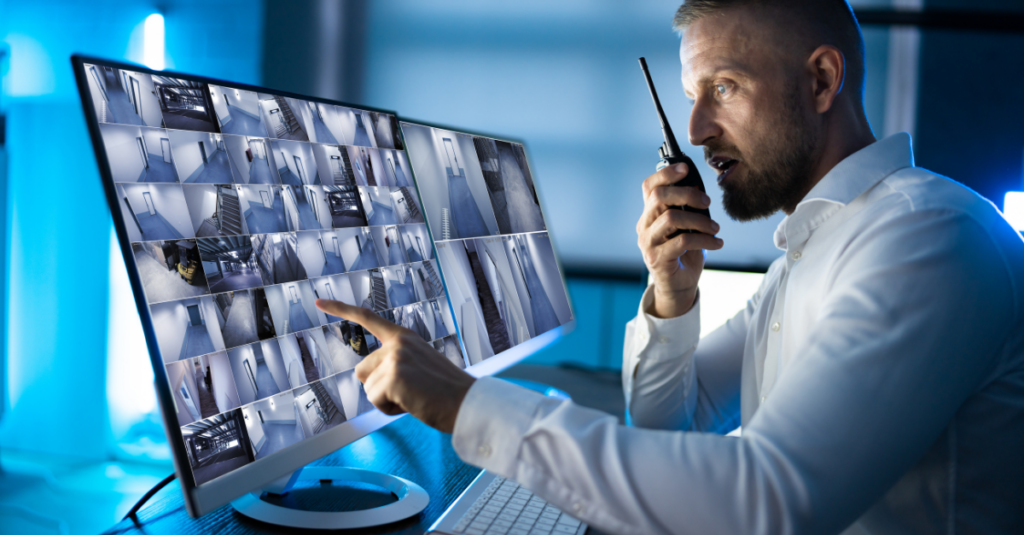
Business owners get easy-to-read dashboards and actionable alerts—not tech jargon. It’s proactive protection and peace of mind, just like in CMIT’s approach to business continuity.
The Link Between Monitoring and Cybersecurity
Modern cybersecurity isn’t just about installing firewalls or running antivirus scans. It’s about staying one step ahead of evolving threats—around the clock. That’s where proactive IT monitoring becomes indispensable. Instead of waiting for something to go wrong, proactive monitoring continuously observes systems, detects suspicious activity, and alerts teams to potential breaches before they occur.
Scott Krentzman combines cybersecurity and monitoring through a layered strategy. His clients benefit from real-time visibility into their systems, endpoint monitoring that catches ransomware in its early stages, and anomaly detection that acts as a digital tripwire. His approach mirrors the best practices outlined in CMIT’s cybersecurity frameworks—ensuring clients are protected before attackers strike.
How Scott Helps His Clients Stay Ahead
While many IT providers offer cookie-cutter solutions, Scott Krentzman goes beyond technology—he builds relationships. Every monitoring deployment is customized to the unique challenges of the client’s business. His quarterly strategy reviews go beyond reviewing logs; they examine growth plans, evolving compliance needs, and technology roadmaps.
For a Boston-based manufacturing firm, Scott’s assessment revealed issues hidden beneath the surface: unsupported legacy software, misconfigured routers, and a critical security update that hadn’t been installed in over a year. Once monitoring was enabled, his team detected six systemic risks within two weeks and resolved them before they could cause damage. The business saw an immediate performance boost and, most importantly, has had zero downtime since.
From startups navigating early growth to healthcare teams expanding remote services, Scott helps clients anticipate change and manage it confidently.
Compliance and Monitoring Go Hand in Hand
Many regulations—including HIPAA, PCI DSS, and CCPA—require proof that data is being securely stored, monitored, and protected. Compliance isn’t a one-time achievement; it’s an ongoing responsibility. Proactive monitoring provides the evidence businesses need to meet those requirements.
Scott develops compliance-ready environments with automatic audit logs, data retention policies, and alerts for non-compliant behaviors. For a law firm preparing for a surprise regulatory audit, he assembled a full compliance package—including patch logs, access history, and encrypted backup reports. The firm passed with no findings—a rare and commendable outcome.
With tools tailored to data privacy requirements, Scott ensures businesses stay ahead of evolving standards and minimize legal risk.
Conclusion: Monitoring Is a Business Strategy
Proactive monitoring is more than a technical process—it’s a business advantage. When implemented strategically, it shifts your IT from a vulnerability to a competitive asset. You prevent data breaches, reduce downtime, and improve both customer and employee experiences.
Scott Krentzman’s clients don’t just stay online—they thrive. Whether it’s automating workflows, protecting sensitive data, or scaling operations without fear, monitoring underpins it all.
“An outage is one of the only business problems you can prevent entirely,” Scott says. “Monitoring lets you do exactly that.”
If you’re ready to turn your IT systems into a reliable, secure, and high-performing business backbone, now’s the time. With Scott Krentzman and CMIT Solutions on your side, you don’t just prevent downtime—you create a future-proof foundation for growth.