In today’s hyperconnected world, cybercriminals are becoming more strategic, sophisticated, and stealthy than ever before. Every click, email, or unpatched system represents a potential point of entry. The result? A digital battlefield where businesses must stay one step ahead not by reacting to threats, but by predicting and neutralizing them before they strike.
This is where Cyber Threat Intelligence (CTI) steps in. More than just data collection, CTI transforms raw information into actionable insights that strengthen your defenses and guide smarter cybersecurity decisions.
For small and midsized businesses (SMBs), CTI isn’t a luxury; it’s an essential layer of protection that combines analytics, automation, and expert strategy to keep your network secure.
What Is Cyber Threat Intelligence?
Cyber Threat Intelligence is the process of gathering, analyzing, and applying information about potential cyber threats to proactively defend systems and data.
Unlike traditional cybersecurity, which focuses on blocking attacks as they occur, CTI identifies indicators of compromise (IOCs) and predicts attacker behavior using real-time data.
Core components of CTI include:
- Data Collection: Gathering threat feeds, logs, and alerts from internal and external sources.
- Threat Analysis: Evaluating threat patterns, vulnerabilities, and attack vectors.
- Response Planning: Developing strategies to mitigate or prevent threats before damage occurs.
As demonstrated in multi-layered security, a layered defense model powered by intelligence allows SMBs to detect, respond, and recover with speed and precision.
The Importance of Cyber Threat Intelligence for SMBs
While large enterprises have dedicated cybersecurity teams, SMBs often lack the same level of resources making them attractive targets for cybercriminals. CTI helps close that gap by turning data into actionable defense strategies.
For SMBs, CTI delivers:
- Proactive protection: Early identification of evolving threats.
- Reduced risk exposure: Prioritizing vulnerabilities before they’re exploited.
- Operational efficiency: Automating repetitive security tasks.
- Smarter investments: Using insights to direct IT budgets effectively.
The need for proactive defense mirrors the approach in beyond the break-fix model, where prevention and intelligence replace reaction and guesswork.
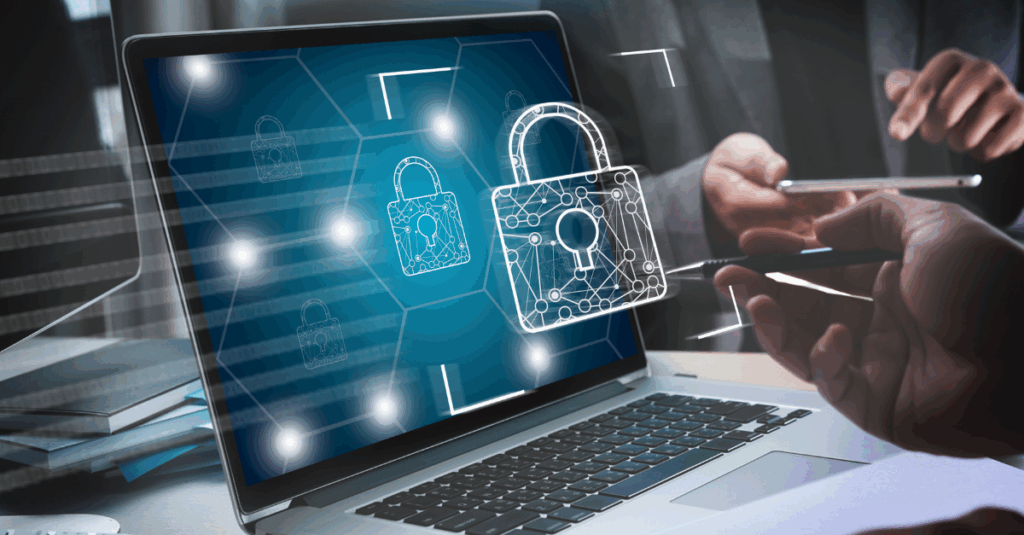
How Cyber Threat Intelligence Works
Effective CTI follows a continuous, cyclical process that transforms raw data into actionable defense.
The CTI lifecycle includes:
- Collection: Gathering threat data from firewalls, SIEM tools, and external feeds.
- Processing: Filtering irrelevant data to identify useful information.
- Analysis: Correlating findings to understand attacker behavior.
- Dissemination: Sharing intelligence with IT and security teams for action.
- Feedback: Updating systems and improving detection based on outcomes.
This structured process reflects the proactive framework described in from reactive to resilient, where continuous learning strengthens long-term cybersecurity posture.
Turning Raw Data Into Actionable Insights
Not all data is valuable. The true power of CTI lies in filtering vast amounts of digital noise to extract meaningful insights.
Actionable threat intelligence answers questions like:
- Who is attacking your business and why?
- What vulnerabilities are they targeting?
- How can your systems respond effectively?
When combined with advanced analytics and automation, businesses can focus on real risks not false alarms. This approach is similar to the visibility strategies discussed in cybersecurity in the cloud era, where meaningful data drives faster, more effective defense.
Automation and AI in Threat Intelligence
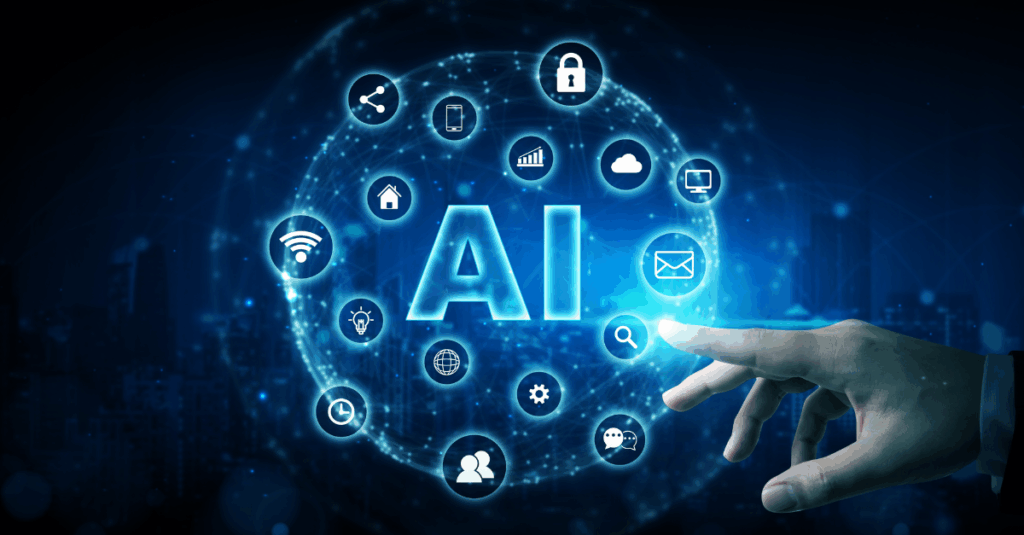
As cyber threats become more complex, manual analysis alone can’t keep up. That’s why AI and automation are now integral to modern threat intelligence.
AI-enhanced CTI delivers:
- Real-time analysis of millions of data points.
- Pattern recognition to identify new attack trends.
- Automated incident response for faster containment.
- Continuous learning that adapts to new threats.
These intelligent capabilities align with the principles in AI in focus, where automation transforms IT operations from reactive to predictive.
Integrating CTI with Managed IT Services
For many SMBs, building an in-house intelligence operation is unrealistic. Partnering with a Managed IT Services provider like CMIT Solutions of Bothell and Renton bridges that gap by offering enterprise-level monitoring, analysis, and protection.
Managed CTI includes:
- 24/7 network monitoring and threat detection.
- Integration with SIEM and EDR tools for real-time analysis.
- Automated alerts and response playbooks.
- Expert guidance for compliance and remediation.
This partnership mirrors the model seen in data backup and disaster recovery, where outsourced expertise ensures constant protection and operational resilience.
Threat Intelligence in the Cloud Era
As businesses migrate to cloud platforms, CTI becomes essential for monitoring distributed systems and hybrid infrastructures.
Cloud-driven CTI provides:
- Visibility across on-premises and cloud environments.
- Detection of abnormal API calls and access attempts.
- Real-time tracking of cloud misconfigurations.
- Integration with compliance management systems.
These best practices align with enabling hybrid teams, where collaboration and security must work seamlessly in hybrid ecosystems.
Enhancing Endpoint Security with Threat Intelligence
Endpoints laptops, mobile devices, and servers are the first line of defense and the most common targets for cyberattacks. Integrating CTI into endpoint protection ensures that security systems can recognize and respond to new threats instantly.
Endpoint intelligence strengthens defense through:
- Behavioral analytics that detect unusual activity.
- Threat correlation between devices and users.
- AI-based anomaly detection for zero-day attacks.
- Integration with EDR and MDR platforms.
This adaptive protection aligns with zero trust maximum security, where every device and identity must be continuously verified.
CTI and Compliance: Staying Ahead of Regulations
Cybersecurity isn’t just about protection it’s also about accountability. CTI ensures that organizations meet evolving regulatory standards by maintaining visibility and traceability across all systems.
CTI supports compliance by:
- Generating detailed activity and access logs.
- Automating regulatory reports.
- Identifying gaps in policy enforcement.
- Providing documentation for audits and reviews.
As emphasized in compliance in the age of AI, proactive monitoring and automation simplify compliance without disrupting daily operations.
Human and Machine Collaboration in Cyber Defense
While automation handles massive datasets and detects patterns, human intelligence is still irreplaceable for interpreting context and making strategic decisions. Together, they form the ultimate defense.
The human-AI synergy in cybersecurity offers:
- Automated detection combined with human judgment.
- Faster decision-making with fewer false positives.
- Deep threat analysis and strategic planning.
- Continuous system learning based on real-world insights.
This model aligns with the proactive IT mindset promoted in beyond the break-fix model, where automation and expertise create a balanced, resilient defense.
Why SMBs Need Threat Intelligence Today
Cybercrime is no longer limited to large corporations it’s targeting SMBs with equal intensity. In fact, many attacks exploit smaller businesses as entry points into larger networks or supply chains.
SMBs benefit from CTI through:
- Constant situational awareness.
- Prioritized response strategies.
- Reduced downtime and data loss.
- Future-proofing against emerging threats.
As seen in the new era of cyber threats, traditional defense systems can’t keep up with evolving attack vectors. Intelligence-driven defense is the only sustainable solution.
Partnering with CMIT Solutions: Smarter Defense Starts Here
At CMIT Solutions of Bothell and Renton, we specialize in building intelligence-driven cybersecurity frameworks for small and midsized businesses. Our solutions integrate advanced analytics, 24/7 monitoring, and proactive management to transform data into actionable defense.
Our threat intelligence approach includes:
- Continuous network and endpoint monitoring.
- AI-enhanced threat detection and analysis.
- Integration with backup, compliance, and cloud systems.
- Expert-driven remediation and reporting.
Our mission is to empower your business with smarter, faster, and more adaptive protection ensuring that you stay secure in a constantly evolving cyber landscape.
Conclusion: Intelligence Is the New Armor
In the fight against cybercrime, knowledge is power but intelligence is armor. By transforming raw data into actionable insights, Cyber Threat Intelligence helps businesses not only detect attacks but also anticipate and neutralize them before damage occurs.
When combined with the expertise of CMIT Solutions of Bothell and Renton, CTI becomes a force multiplier strengthening defenses, enhancing compliance, and enabling businesses to grow confidently in a digital-first world.
In cybersecurity, the difference between vulnerability and resilience comes down to one thing: how effectively you turn data into defense.