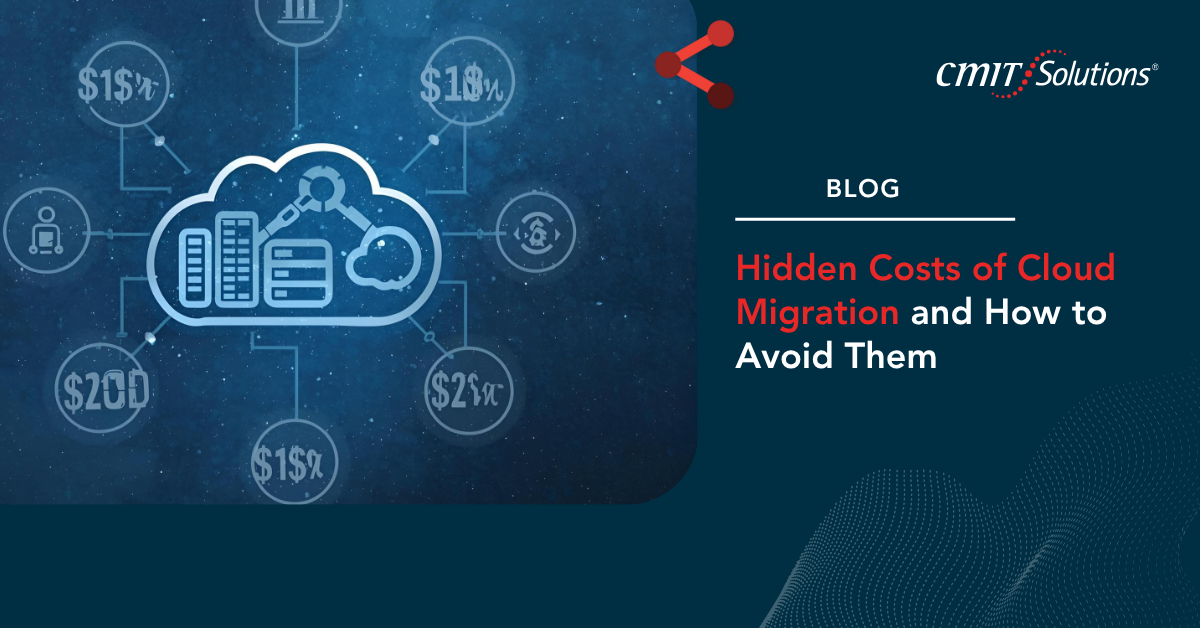
Cloud migration promises agility, scalability, and cost-efficiency. But beneath those advantages lies a layer of hidden expenses that many businesses overlook. These unseen costs often arise during planning, migration, and ongoing management turning what should be a strategic move into a financial challenge. Understanding these hidden costs early allows organizations to plan smarter, minimize waste, and ensure the cloud truly delivers on its promise of efficiency and growth.
Why Hidden Costs Catch Businesses Off Guard
Migrating to the cloud involves far more than moving data from one location to another. Applications, processes, and dependencies must align with new architectures. When these variables aren’t fully understood, costs can quickly multiply.
Unanticipated fees come from:
- Underestimating data transfer and operational overhead.
- Failing to optimize workloads post-migration.
- Overlapping software licenses.
- Lacking the in-house skills to manage cloud complexity.
This makes managed IT support essential for cloud transitions ensuring cost visibility, governance, and performance at every stage.

Data Transfer and Egress Fees
Cloud providers often advertise low storage prices, but data transfer (especially outbound or inter-region movement) can drive up costs significantly. Businesses frequently overlook fees for exporting data from cloud storage to local systems or other platforms.
To minimize these costs:
- Keep compute and storage resources in the same region.
- Use compression or caching to reduce transfer size.
- Monitor data movement with cost-tracking dashboards.
- Regularly review provider egress policies to anticipate changes.
Working with a cloud services partner helps design data architecture that minimizes unnecessary transfers and related costs.
Overprovisioned or Idle Resources
The flexibility of the cloud is both a strength and a pitfall. Many organizations overestimate the resources they need, leaving idle instances, oversized databases, or unmonitored testing environments running.
These “zombie resources” silently accumulate monthly charges.
- Implement auto-scaling to align resources with demand.
- Schedule shutdowns for non-production workloads.
- Audit usage monthly to detect underutilized assets.
Continuous optimization through proactive IT ensures your business pays only for what it truly uses.
Application Refactoring and Integration Challenges
Legacy applications weren’t built for the cloud. To function efficiently post-migration, they often need refactoring, rewriting parts of the code, reconfiguring databases, or adapting integrations. These development efforts can significantly increase project costs.
To manage this effectively:
- Conduct pre-migration assessments to identify refactoring needs.
- Adopt hybrid models where complete refactoring isn’t feasible.
- Prioritize high-value applications for modernization.
Security management tools can also help ensure rearchitected systems remain protected throughout the transition.
Licensing and Subscription Overlaps
Many organizations unknowingly pay for redundant licenses — old on-prem software and new cloud subscriptions simultaneously. This duplication often happens when migrations occur in phases or when license terms aren’t reviewed.
Avoid these unnecessary costs by:
- Auditing existing software licenses before migration.
- Leveraging license mobility where supported by vendors.
- Negotiating new enterprise agreements with your cloud provider.
A compliance review ensures your organization remains cost-efficient and audit-ready during the transition.
Downtime and Productivity Loss
Even well-planned migrations can cause temporary downtime. Interruptions during data synchronization, testing, or cutover phases affect productivity and customer experience.
To mitigate downtime:
- Plan migrations during low-traffic periods.
- Use blue-green deployment or rolling updates.
- Test performance thoroughly before going live.
- Maintain clear communication with employees and clients.
Having disaster recovery strategies in place ensures business continuity, even if something goes wrong during migration.
Security and Compliance Gaps
Security misconfigurations or compliance oversights are among the costliest post-migration issues. Cloud missteps often lead to breaches, regulatory fines, and reputational damage.
Key preventive measures include:
- Encrypting all sensitive data during transfer and storage.
- Enforcing identity and access management policies.
- Conducting regular compliance audits.
- Implementing multi-layered cyber defense to protect every layer of your infrastructure.
A trusted partner like CMIT Solutions of Bothell and Renton ensures security is embedded, not bolted on.
Training and Skill Development
Cloud platforms require specialized knowledge from cost management to automation and governance. Without proper training, internal teams may mismanage resources or create inefficiencies that inflate expenses.
Smart strategies include:
- Investing in cloud certifications for key personnel.
- Conducting internal workshops on optimization and monitoring.
- Leveraging managed services for complex maintenance.
Partnering with experienced IT support ensures your teams stay focused on business priorities while experts handle technical complexity.
Ongoing Optimization and FinOps Practices
The real challenge begins after migration. Without cost governance, cloud bills grow unnoticed. Continuous optimization through FinOps (Financial Operations) practices keeps budgets predictable.
This includes:
- Setting automated alerts for usage spikes.
- Right-sizing instances monthly.
- Reviewing reserved instances and savings plans.
- Auditing cost trends for inefficiencies.
Using insights from cloud management platforms ensures that spending aligns with actual business performance.

Vendor Lock-In and Exit Costs
Many cloud services are proprietary, making it difficult to switch providers later. Exiting a cloud environment can be expensive due to data egress fees, reconfiguration, and dependency rewrites.
To stay flexible:
- Use open-source frameworks where possible.
- Avoid excessive reliance on provider-specific APIs.
- Plan an exit strategy before onboarding.
Partnering with a skilled provider helps design cloud architectures that remain portable and adaptable to change.
How to Avoid Hidden Cloud Costs
Building a cost-aware migration strategy involves combining technical and financial oversight. Here’s how businesses can stay ahead:
- Conduct a readiness assessment before migration.
- Create a detailed cost model with buffer margins.
- Implement governance frameworks for spending control.
- Automate performance monitoring and scaling policies.
- Partner with experts who provide end-to-end visibility and optimization.
With proper planning, data recovery, and proactive cost management, organizations can transform migration from a cost risk into a value-driven investment.
Conclusion
Cloud migration isn’t just about technology, it’s about strategy, foresight, and optimization. The hidden costs that often derail migration projects can be avoided through careful planning, continuous monitoring, and expert guidance.
With CMIT Solutions of Bothell and Renton, businesses gain the tools and experience to manage migration efficiently from planning and implementation to cost control and cloud security. By anticipating challenges, you ensure your move to the cloud isn’t just seamless, but sustainable and cost-effective.