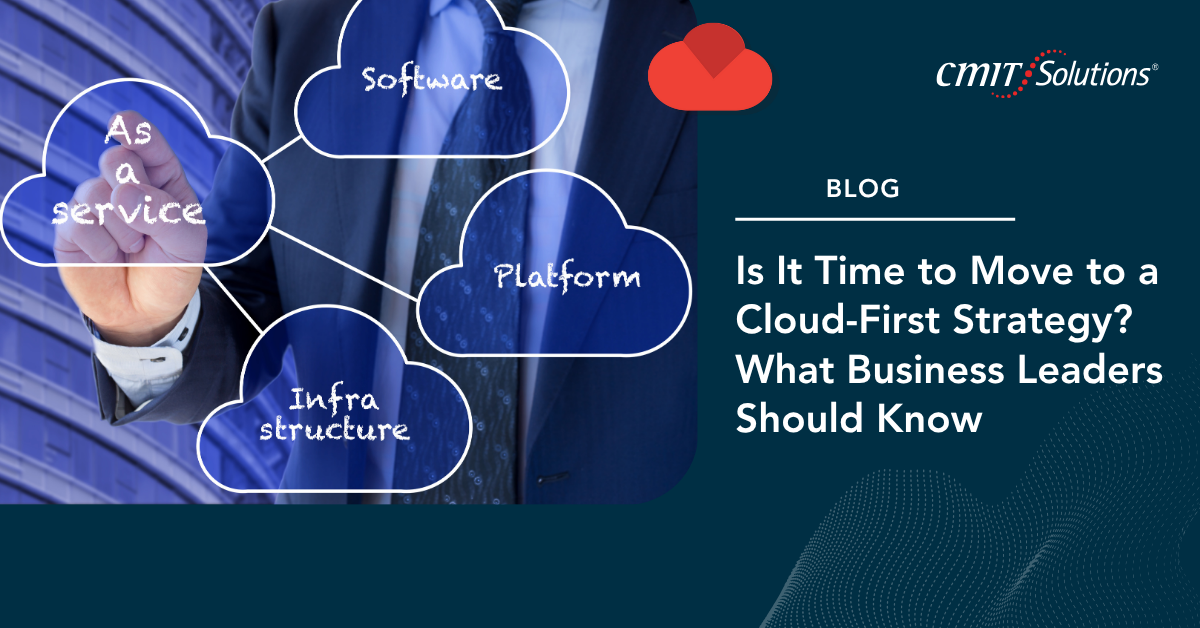
The shift to cloud computing has redefined how businesses operate, collaborate, and compete. But adopting a cloud-first strategy is more than just migrating data—it’s about reshaping your infrastructure, enhancing flexibility, and preparing for future growth.
In this blog, we’ll explore the concept of a cloud-first strategy, when it makes sense for your business, how to prepare for it, and why small and midsize companies in Bothell and Renton are increasingly turning to cloud-first models to meet growing digital demands.

What Is a Cloud-First Strategy?
A cloud-first strategy prioritizes cloud-based services over traditional on-premises solutions when implementing new technologies or upgrading systems. Instead of defaulting to local servers or software, businesses evaluate cloud options first.
Unlike “cloud-only” approaches, cloud-first does not require full abandonment of legacy systems; it simply gives precedence to cloud solutions whenever feasible. For businesses in transition, adopting a hybrid infrastructure approach can help bridge existing setups with scalable cloud-first environments, delivering operational flexibility without losing core functionality.
What Are the Key Benefits of Cloud-First?
Embracing a cloud-first strategy offers multiple business advantages. Scalability becomes seamless, as organizations can increase capacity or deploy new tools without investing in new hardware. Remote collaboration also improves dramatically, especially when cloud tools like unified communication platforms support hybrid and distributed teams. Moreover, cloud-first models often provide native encryption and access controls, helping businesses bolster their cybersecurity posture while reducing capital expenses.
Through well-managed cloud deployments, small businesses also gain access to enterprise-level features, which are typically more cost-effective and secure than traditional systems.
When Should Businesses Go Cloud-First?
While every business is different, certain indicators make the case for adopting a cloud-first approach. If your organization is growing rapidly, experiencing an increase in remote workers, or working with outdated infrastructure, it’s likely time to assess the shift.
Cloud-first environments support hybrid teams by ensuring access to company systems from any location, without compromising security. Additionally, aging on-prem systems often result in higher maintenance costs and reduced reliability—something that cloud-based infrastructure mitigates with continuous updates and built-in redundancies.
What Risks Should Be Considered?
Despite its benefits, a cloud-first model comes with potential challenges. Compliance can become more complex, especially in healthcare or finance sectors. Without proper planning, companies may also face vendor lock-in, unanticipated costs, or data migration risks.
That’s why evaluating security needs and regulatory requirements is critical before launching a cloud transformation. Working with a trusted MSP ensures that you adhere to required security and data compliance standards without compromising agility.
Additionally, pairing a cloud-first model with comprehensive multi-layered security ensures your digital assets are protected across all endpoints and users.
How Does a Cloud-First Approach Improve Cybersecurity?
Cloud-first environments leverage built-in protections like real-time patching, identity verification, and encrypted backups. However, these tools are most effective when complemented by enterprise-grade cybersecurity policies.
For instance, organizations can mitigate phishing risks through proactive email security measures and improve threat detection using SIEM platforms like Microsoft Sentinel. These advanced solutions help monitor anomalies and contain risks before they impact your operations.
What Tools Enable a Cloud-First Strategy?
Effective cloud-first implementation hinges on the right technology stack. Collaboration platforms like Microsoft 365, paired with mobile device management tools such as Microsoft Intune, streamline access while maintaining security.
These platforms also simplify patch management and device visibility across large or remote workforces. Tools that unify communication and project collaboration are key to successful execution of cloud-first operations, and should align with your business’s specific workflows and compliance goals.

What About Disaster Recovery and Business Continuity?
Cloud-first strategies are designed with resilience in mind. However, having a dedicated disaster recovery plan remains essential for protecting against system outages or cyberattacks. Proper implementation ensures that workloads can quickly failover to alternate cloud zones or platforms, minimizing downtime.
Creating a secure and responsive disaster recovery solution is critical for cloud-first adoption, especially for small teams where uptime directly correlates with revenue. Additionally, offsite cloud backup services ensure redundancy and meet regulatory standards.
What Role Does Compliance Play in Cloud Adoption?
In regulated industries, data privacy and audit compliance are non-negotiable. Fortunately, modern cloud environments offer tools to maintain security and meet industry certifications—provided they’re properly configured.
SMBs must verify encryption standards, access logs, and automated updates to avoid gaps that could trigger fines. By working with experts who understand healthcare and finance compliance, companies can ensure they remain both agile and audit-ready.
Why SMBs Need Managed IT Services
Cloud-first strategies may simplify daily operations, but they require thoughtful implementation, strategic planning, and technical oversight. That’s why many SMBs in Bothell and Renton are turning to experienced partners for support.
A qualified MSP can streamline deployments, ensure cloud compatibility, and manage ongoing monitoring through proactive IT support. When aligned with a business’s goals, managed IT services drive real-time responsiveness, reduced downtime, and long-term scalability.
Conclusion
The future of business is in the cloud—but that doesn’t mean you have to rush headlong into transformation. Moving to a cloud-first model is an investment in agility, security, and long-term resilience. With the right roadmap, secure infrastructure, and expert guidance, your organization can adopt cloud-first practices at a pace that meets your needs.
If you’re ready to evaluate your digital landscape, align cloud services to your business model, and build a more responsive IT framework, it’s time to explore a cloud-first strategy. And if you’re not sure where to begin, start by building your IT roadmap with the help of a trusted local partner.