Introduction:
As technology evolves, so do the threats facing businesses—especially those still clinging to outdated infrastructure. For small and mid-sized businesses in Bothell and Renton, legacy systems create vulnerabilities that modern cybercriminals are all too ready to exploit. These systems may have once been reliable, but today they are risk magnets, unable to meet the demands of cybersecurity, compliance, and digital agility.
In a world of AI-driven threats and zero-day exploits, businesses relying on aging technology may be unknowingly leaving the door wide open to cyberattacks, operational downtime, data breaches, and regulatory penalties. This blog explores why legacy systems pose a serious threat, and how businesses can transform their IT environment to withstand the modern threat landscape.
The Hidden Risks of Legacy Systems
While legacy systems often continue running essential functions, they are built on outdated architectures that weren’t designed for today’s security threats. These systems usually lack key protections such as data encryption, multi-factor authentication, and integration with modern cybersecurity tools. As a result, they are highly susceptible to breaches.
Unsupported software, unpatched vulnerabilities, and lack of compatibility with new technologies create the perfect storm for attackers. Businesses that still depend on legacy hardware or operating systems are often forced to layer on manual workarounds or rely on siloed data environments—both of which degrade performance and increase exposure.
Beyond security, legacy systems also stall growth. They resist integration with newer tools like hybrid cloud infrastructures, mobile platforms, and CRM software. That resistance hinders digital transformation and productivity initiatives, putting businesses behind their more agile competitors.
Even worse, outdated systems often store sensitive data in ways that don’t meet regulatory standards. This sets the stage for costly audits, fines, and potential legal liabilities. Compliance readiness becomes almost impossible without the visibility and control provided by modern IT systems.
Email Threats and Endpoint Exploits
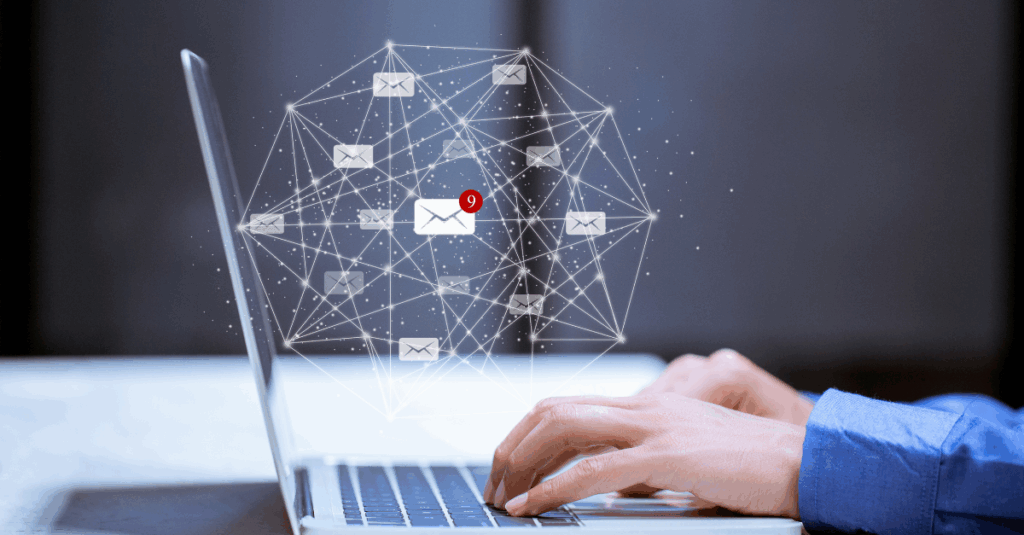
Email remains the most common attack vector for cybercriminals—and legacy platforms provide limited defense. Modern phishing emails are engineered to bypass traditional spam filters, and legacy systems lack the AI-powered tools required to detect and quarantine threats in real-time.
Without behavioral analysis or sandboxing capabilities, malicious attachments and links are far more likely to reach end-users. Businesses without email protection tools like advanced email security are left hoping their staff can recognize the danger before it’s too late.
Endpoints are another soft target. Aging desktops, laptops, and even servers often lack up-to-date security protocols, leaving them wide open to malware, spyware, and ransomware. Older devices may also be incompatible with endpoint detection and response (EDR) solutions, creating blind spots that attackers exploit.
Today’s businesses need tools such as modern EDR tools that deliver real-time threat intelligence, automate incident response, and secure every access point—from laptops to smartphones to virtual desktops.
Compliance Challenges in Regulated Industries
Industries like healthcare, finance, and legal services operate under strict compliance standards—HIPAA, PCI-DSS, SOX, and more. Legacy systems often lack the built-in logging, access control, and auditing features required to demonstrate compliance.
For example, outdated EMR systems in healthcare may store patient data in unencrypted formats or allow unrestricted access to sensitive records. That’s a direct violation of HIPAA. Likewise, outdated point-of-sale systems in retail and hospitality could jeopardize PCI compliance due to outdated encryption or logging limitations.
Businesses need to implement by building compliance-forward IT strategies strategies with real-time reporting, automated risk assessments, and support from an experienced IT partner. This is especially important for small and mid-sized businesses who face the same regulatory burden as large enterprises—but without the in-house legal and technical teams.
Healthcare providers in Bothell and Renton are increasingly relying on managed IT solutions for healthcare to achieve compliance without overwhelming their internal staff.
Modern Threats Demand Proactive Defenses
The cyberthreats of today are relentless—and they’ve evolved far beyond viruses and spam. Cybercriminals now deploy ransomware-as-a-service, sophisticated social engineering, and zero-day exploits. Without proactive defenses, legacy-dependent businesses are left exposed.
One of the most powerful tools against modern threats is a Security Information and Event Management (SIEM) platform. Tools like SIEM platforms such as Microsoft Sentinel aggregate logs across the environment, detect anomalies, and respond to threats automatically. This kind of visibility is essential for businesses operating in hybrid environments.
Pairing SIEM with mobile device management through device management tools like Microsoft Intune further strengthens your security posture. Intune helps enforce policies, encrypt data, and manage remote access—an essential move for hybrid and remote teams.
Business Continuity Starts with Preparedness
If a business can’t recover from a cyberattack or natural disaster, it risks financial ruin. Legacy systems often lack built-in backup features, making recovery painfully slow or even impossible. In today’s always-on world, downtime isn’t just frustrating—it’s expensive.
That’s why modern by investing in robust disaster recovery planning is no longer optional. Businesses need clearly defined backup policies, tested recovery procedures, and failover systems that kick in automatically.
It’s not just about copying data to an external hard drive. The rise of next-gen backup strategies include encrypted cloud replication, point-in-time restoration, and protection against ransomware encryption. This gives businesses the ability to roll back systems to a safe state in minutes—not days.

Strategic IT Partnerships Enable Growth
Transitioning from legacy systems isn’t easy—but you don’t have to do it alone. A trusted managed IT services partner provides the planning, execution, and long-term support businesses need to modernize effectively.
Working with an MSP like partners such as CMIT Solutions of Bothell and Renton allows businesses to outsource daily IT management, gain access to enterprise-grade tools, and develop a technology roadmap aligned with growth goals.
These partnerships also help small businesses scale efficiently. As new employees join or new locations open, your IT environment must grow with you. Proactive IT partners make this possible without adding internal overhead.
Embracing the Cloud and Zero Trust Security
One of the fastest ways to modernize your IT environment is by moving to the cloud. Cloud services eliminate the need for bulky on-prem servers, reduce capital expenses, and improve collaboration across teams and locations.
But cloud adoption isn’t just about productivity—it’s also about security. Cloud-native tools enable businesses to implement unified communications, real-time access controls, and automated patching. These capabilities are out of reach for most legacy systems.
Security frameworks are also shifting. The traditional perimeter model—trusting everything inside the network—is no longer viable. Zero Trust security assumes breach, verifies every device and user, and uses identity-based access to prevent lateral movement inside the network.
This is the new standard for protecting sensitive data, particularly in industries that handle financial transactions, medical records, or customer databases.
Final Thoughts: Modernize or Risk Falling Behind
If your business still relies on legacy systems, now is the time to act. You’re not just risking cyberattacks—you’re limiting your growth potential, increasing operational costs, and falling behind industry standards.
To avoid these pitfalls, reach out for a personalized consultation and explore how modern IT can transform your operations. Whether you need help with compliance, cloud adoption, or daily IT support, a reliable MSP can lead you through the process with minimal disruption.
With scalable IT solutions and expert guidance, your business will be ready to tackle whatever challenges—and opportunities—the digital future holds. Discover what to look for in an MSP partner that grows with you and begin your transformation today.